Why Paint Protection Film Turns Yellow and How to Prevent It
Paint protection film is designed to keep your vehicle’s finish looking flawless for years. However, some car owners notice their PPF developing a yellow tint sooner than expected. If you are wondering why this happens and how to prevent it, you are not alone.
At Exquisite Auto Spa, we regularly educate drivers in Elm Grove and Brookfield, WI, about what causes PPF yellowing and how to avoid premature film failure. Understanding the science behind paint protection film helps you make smarter decisions that protect your vehicle’s appearance and long-term value.
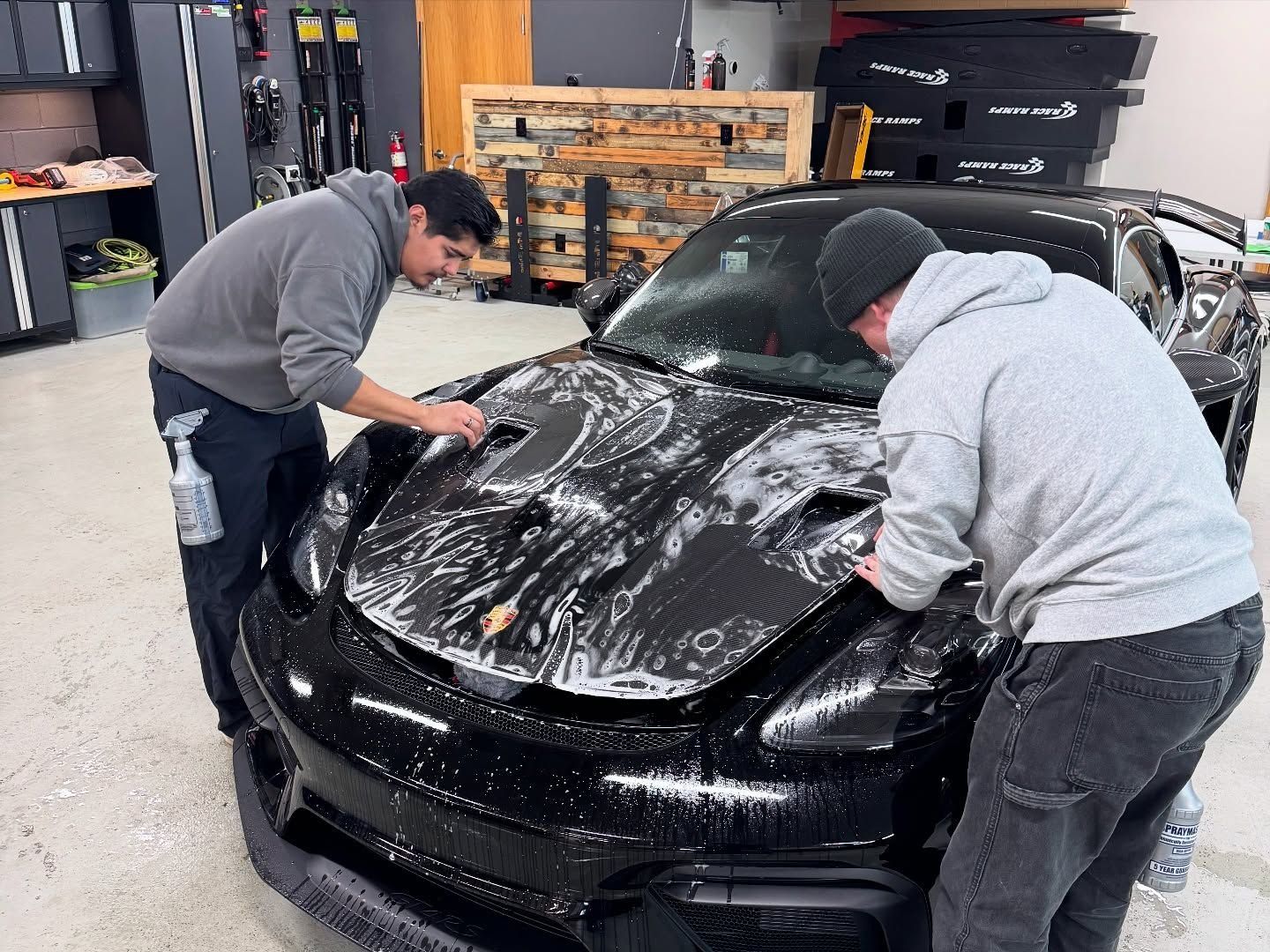
Why Does Paint Protection Film Turn Yellow?
Most modern paint protection films are made from thermoplastic polyurethane, also known as TPU. This material is flexible, impact resistant, and engineered to absorb road debris and minor scratches. However, TPU is still vulnerable to ultraviolet radiation.
When your vehicle sits in the sun, UV rays penetrate the film and begin breaking down molecular bonds within the material. This process is called photooxidation. Over time, photo oxidation creates chromophores, which are microscopic compounds that reflect a yellow tint. That discoloration is what many vehicle owners interpret as aging or low-quality film.
In Wisconsin, especially during peak summer months, hood temperatures can exceed 140 degrees Fahrenheit. Heat accelerates this breakdown. When high UV exposure combines with elevated surface temperatures, the yellowing process speeds up significantly.
Not all PPFs respond the same way. The difference often comes down to UV inhibitors.
The Critical Role of UV Inhibitors
UV inhibitors act like sunscreen for your paint protection film. These chemical stabilizers are embedded into the TPU during manufacturing and are designed to absorb harmful ultraviolet rays before they can damage the polymer structure.
High-quality films contain carefully calibrated UV inhibitor packages that slow oxidation and maintain optical clarity. Lower-grade films may contain fewer stabilizers or lower-quality compounds, which leads to faster degradation and visible yellowing.
Over time, even strong UV inhibitors weaken. Heat, pollution, oxygen exposure, and environmental contaminants gradually reduce their effectiveness. Once the protective barrier diminishes, the underlying TPU becomes more vulnerable to discoloration.
This is why premium films from reputable manufacturers typically maintain clarity for years, while cheaper alternatives may show visible yellowing within months.
Environmental Factors That Accelerate Yellowing
Several real-world conditions contribute to faster UV inhibitor breakdown:
1. Prolonged Sun Exposure
Vehicles parked outdoors daily receive continuous UV exposure. Direct sunlight is the most aggressive contributor to PPF degradation.
2. High Surface Temperatures
Dark-colored vehicles absorb more heat. Combined with Wisconsin humidity and summer sun, this creates thermal stress that accelerates chemical aging.
3. Pollution and Road Contaminants
Industrial fallout, road salt, and airborne pollutants deposit reactive particles onto the film. These contaminants can catalyze oxidation if not removed through proper maintenance.
4. Improper Cleaning Products
Harsh chemicals or abrasive automatic car washes can damage the top coat layer of PPF. Once the protective surface is compromised, UV penetration increases.
For drivers in Elm Grove and Brookfield, seasonal shifts between intense summer heat and freezing winter temperatures create additional stress cycles that impact film longevity.
How to Identify Early Signs of Yellowing
Catching discoloration early can help you determine whether maintenance or replacement is needed.
Inspect your vehicle in natural daylight. Artificial lighting can hide subtle tint changes. Look for:
- Yellow or brownish discoloration along edges or seams
- Uneven tinting on high-heat areas such as the hood or front bumper
- Dull or cloudy patches that reduce gloss
High-quality PPF should remain optically clear. If you notice progressive color changes, especially within the first one to two years, it may indicate lower-quality film or environmental stress.
At Exquisite Auto Spa, we offer professional inspections to evaluate whether yellowing is surface contamination, top coat degradation, or deeper polymer breakdown.
Does Ceramic Coating Help Prevent PPF Yellowing?
Yes, when applied properly.
A professional ceramic coating applied over paint protection film adds a hydrophobic, UV-resistant layer. This coating reduces contaminant buildup and creates an additional barrier against environmental stress.
While ceramic coating does not replace UV inhibitors, it acts as a sacrificial layer that reduces oxidation triggers. It also makes cleaning easier, preventing chemical deposits from sitting on the film for extended periods.
For many clients in Brookfield and Elm Grove, combining PPF with ceramic coating delivers the strongest long-term protection strategy.
Tips to Extend the Life of Your PPF
You can dramatically improve the longevity of your paint protection film by following these best practices:
Park Strategically
Whenever possible, park in a garage or shaded area. Reducing direct sun exposure slows UV degradation.
Use Proper Washing Techniques
Hand wash with pH-balanced soap and soft microfiber towels. Avoid abrasive tunnel washes with spinning brushes.
Apply PPF-Safe Maintenance Products
Only use cleaners and protectants specifically formulated for urethane films. Harsh solvents can damage the self-healing top coat.
Schedule Professional Inspections
Routine evaluations help identify early warning signs before permanent discoloration sets in.
These simple steps protect both the film and the paint underneath, preserving resale value and visual appeal.
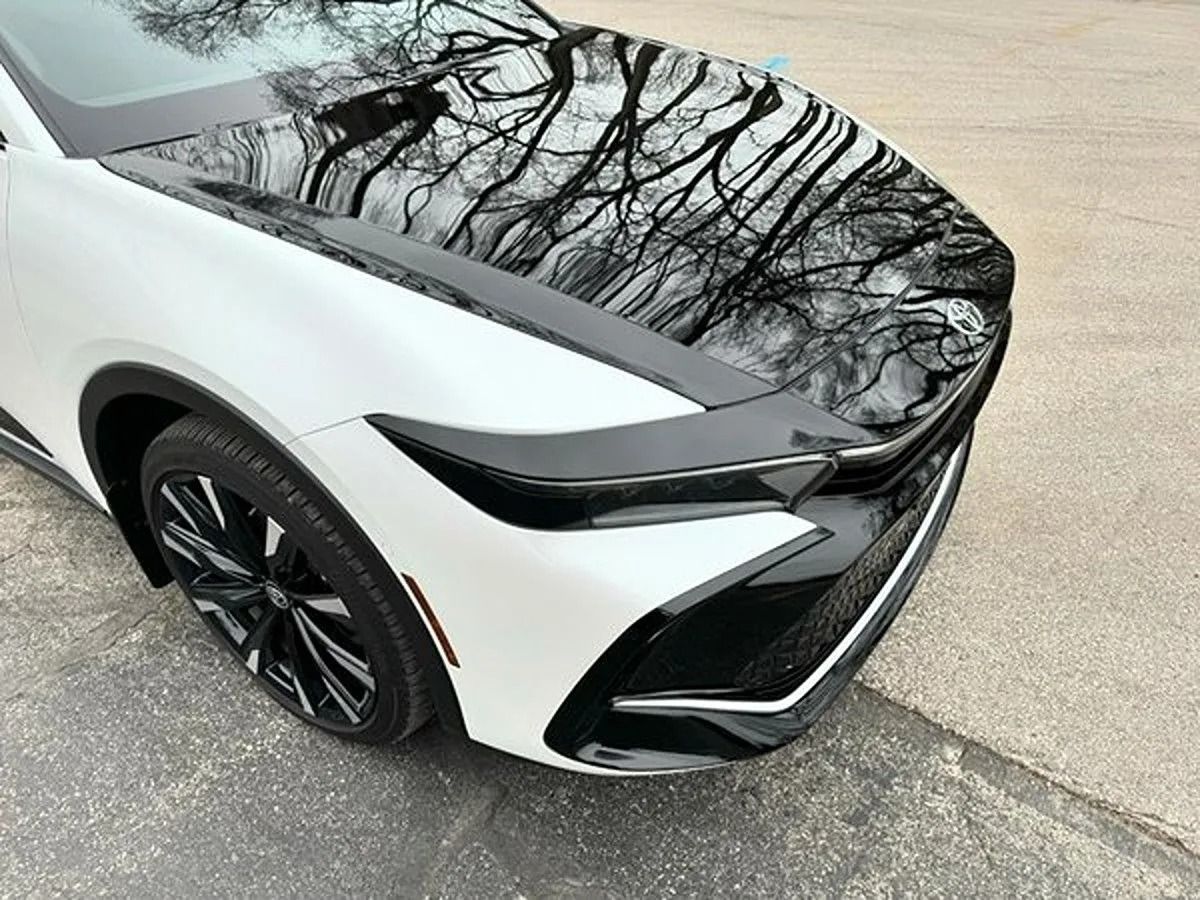
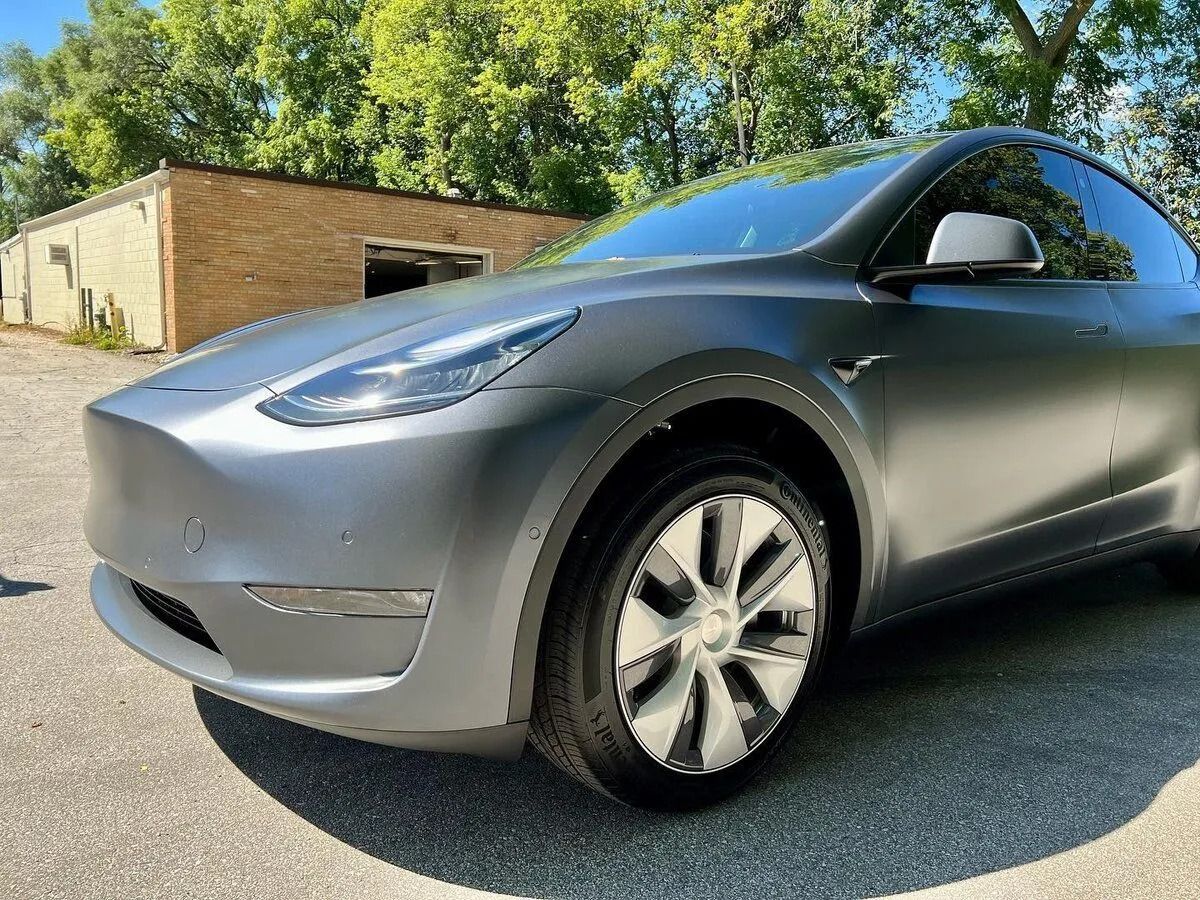
Choosing High-Quality Paint Protection Film
Not all PPF products are created equal. When selecting a film, consider the following:
- Advanced TPU formulations with integrated UV stabilizers
- Manufacturer warranties up to 10 years
- Proven resistance to yellowing and oxidation
- Certified professional installation
Film thickness also matters. Thicker, well-engineered films provide better impact resistance and environmental durability. Professional installation ensures proper edge sealing and minimizes weak points where UV penetration can begin.
At Exquisite Auto Spa, we work with premium film brands engineered for long-term clarity in Midwest climate conditions. Our precision installation process ensures optimal adhesion, alignment, and durability.
Frequently Asked Questions About PPF Yellowing
How long should paint protection film last before yellowing?
High-quality PPF can remain clear for five to ten years when properly maintained. Lower-grade films may show discoloration much sooner.
Is yellowing covered under warranty?
Many reputable manufacturers include yellowing protection in their warranties. Coverage depends on the brand and installation quality.
Can yellow PPF be restored?
If discoloration is surface contamination, professional cleaning may help. If the TPU has oxidized internally, replacement is typically required.
Is ceramic coating worth adding over PPF?
Yes. Ceramic coating adds hydrophobic protection, reduces contaminant buildup, and supports long-term clarity.
Protect Your Investment with Expert Installation
Yellowing paint protection film is not inevitable. With high-quality materials, proper installation, and consistent maintenance, your vehicle can maintain a clear, glossy finish for years.
If you are considering paint protection film in Elm Grove or Brookfield, WI, trust the experienced team at Exquisite Auto Spa. We specialize in premium PPF, ceramic coating, and window tinting solutions tailored to Midwest driving conditions.
Schedule a consultation today to protect your vehicle’s finish with industry-leading technology and professional craftsmanship.
Call Exquisite Auto Spa at 414 477 2134 or visit our contact page to book your appointment.
Recent Posts