

How Window Tint Affects Night Driving: Safety, Glare Reduction, and Wisconsin Laws
Driving at night presents unique challenges, especially when facing bright headlights, streetlights, and reduced visibility. Many drivers consider window tinting as a solution to reduce glare and improve comfort. However, the wrong tint level can actually make nighttime driving more difficult and unsafe.
For drivers in Elm Grove and Brookfield, WI, understanding how window tint affects night driving is essential. The right balance can improve visibility and comfort, while the wrong choice can reduce your ability to see clearly and stay compliant with Wisconsin tint laws.
Learn how window tint impacts night driving, what safety factors to consider, and how to choose the best window tint for your vehicle.
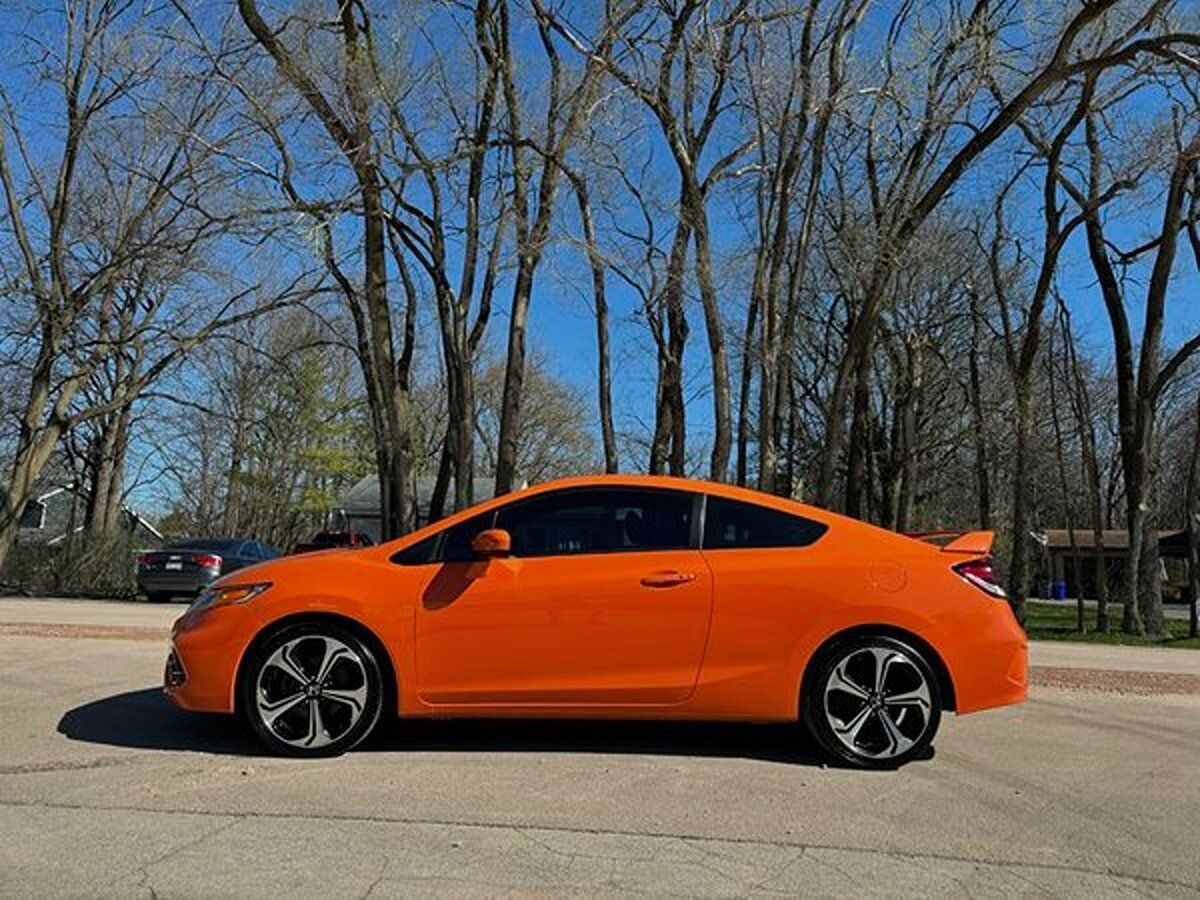
How Window Tint Affects Night Driving Visibility
Window tint works by reducing the amount of visible light that enters your vehicle. This is measured by Visible Light Transmission, or VLT. A higher VLT percentage allows more light in, while a lower percentage creates a darker tint.
At night, your eyes depend on available light to detect road conditions, pedestrians, and obstacles. When tint is too dark, it reduces the light entering the cabin and can make it harder to see clearly.
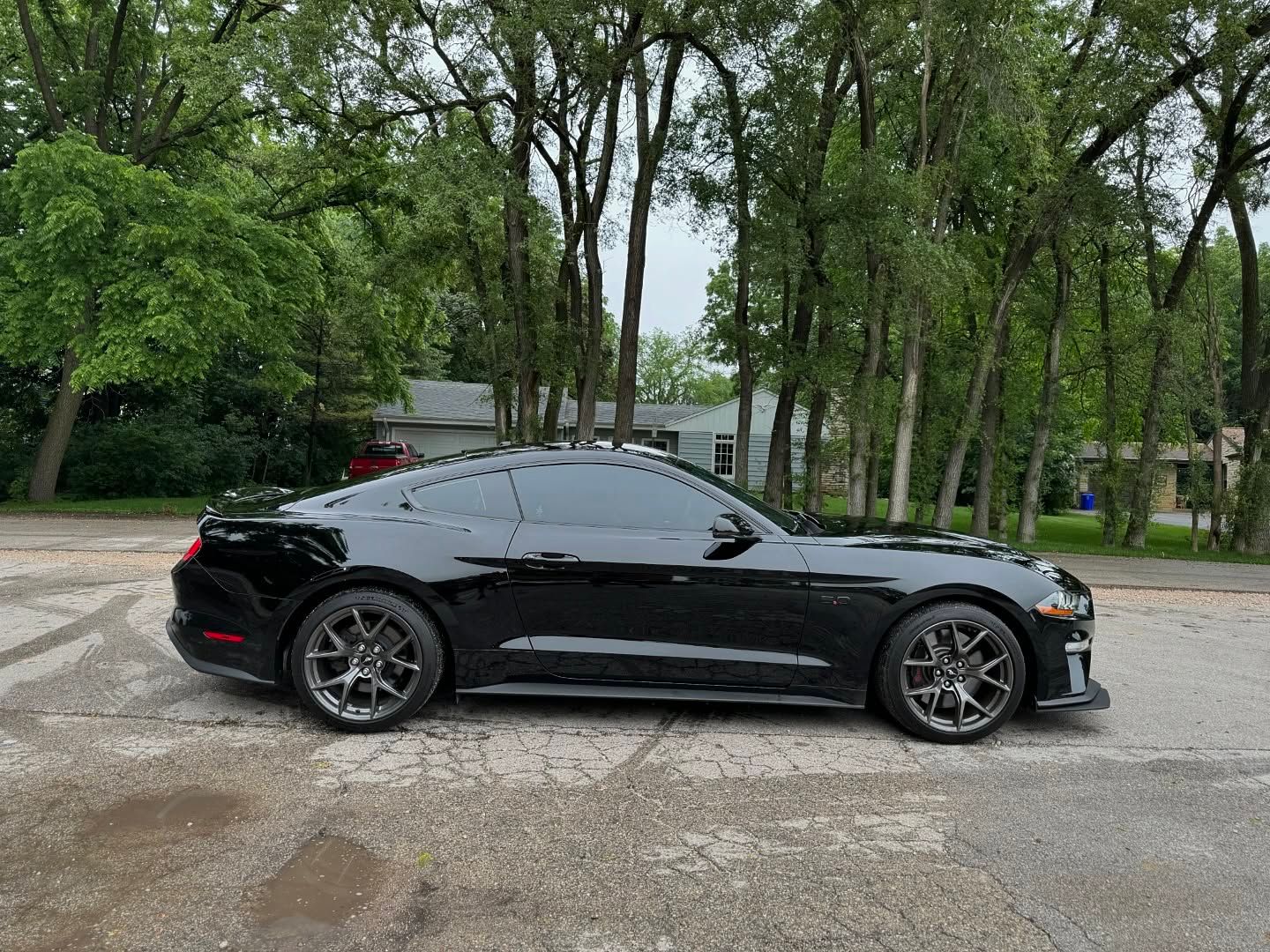
For most drivers, a tint level between 30 percent and 35 percent VLT on rear windows provides a good balance between glare reduction and visibility. However, going darker than 20 percent VLT can significantly reduce nighttime visibility and increase safety risks.
Wisconsin law plays an important role here. Front side windows must allow at least 50 percent of light through. This ensures that drivers maintain adequate visibility at night. Rear windows can be darker, but should still be chosen carefully to avoid compromising safety.
Ceramic window tint is often the preferred option for night driving. Unlike traditional dyed films, ceramic tint reduces glare and heat without overly darkening the glass. This allows drivers to maintain better clarity in low light conditions.
Safety Considerations with Tinted Windows
While window tinting offers comfort and protection, it also introduces safety considerations that drivers should not ignore.
One of the main concerns is reduced visibility. Dark tint can make it more difficult to judge distances, read road signs, and detect movement in low light conditions. This becomes especially important when driving in areas with limited street lighting.
Tint can also affect communication between drivers. Eye contact is often used at intersections or during lane changes. When windows are too dark, other drivers cannot easily see your intentions, which can lead to hesitation or confusion.
Emergency situations are another factor. First responders rely on visibility into a vehicle to assess situations quickly. Dark tint can make this more difficult and may delay response time.
Here are key safety factors to consider:
- Reduced driver visibility in low light conditions
- Difficulty detecting pedestrians and cyclists at night
- Limited communication with other drivers
- Potential challenges for emergency responders
Drivers with weaker night vision or sensitivity to low light should be especially cautious when selecting tint levels. Even moderate tint may impact visibility depending on individual eyesight.
Glare Reduction Benefits of Window Tint
One of the biggest advantages of window tinting is glare reduction. Oncoming headlights and bright streetlights can strain your eyes and make it harder to focus on the road.
High-quality window tint helps filter and soften harsh light, improving overall comfort during night driving. This reduces eye fatigue and allows you to maintain better focus over longer distances.
Ceramic tint stands out because it reduces glare without significantly reducing visibility. It uses advanced materials to block intense light and infrared heat while maintaining optical clarity.
Compared to other tint types:
- Dyed film offers moderate glare reduction but may reduce clarity
- Metallic film provides strong glare reduction but can slightly distort visibility
- Ceramic film delivers high glare reduction while maintaining clear vision
For drivers in Elm Grove and Brookfield, ceramic window tint is often the best choice for balancing comfort and safety.
Wisconsin Window Tint Laws You Need to Know
Before installing window tint, it is important to understand Wisconsin regulations. These laws are designed to maintain safe visibility while allowing some level of privacy and comfort.
Key Wisconsin tint laws include:
- Front side windows must allow at least 50 percent VLT
- Rear side windows can be as dark as 35 percent VLT
- Windshield tint is only allowed above the AS-1 line and must be non-reflective
These regulations ensure that drivers maintain clear visibility while still benefiting from glare reduction and UV protection.
Failing to follow these laws can result in fines, required removal of the tint, and additional costs. It is always best to work with a professional installer who understands local requirements.
For drivers in the Elm Grove and Brookfield areas, staying compliant with Wisconsin tint laws is essential for both safety and long-term value.
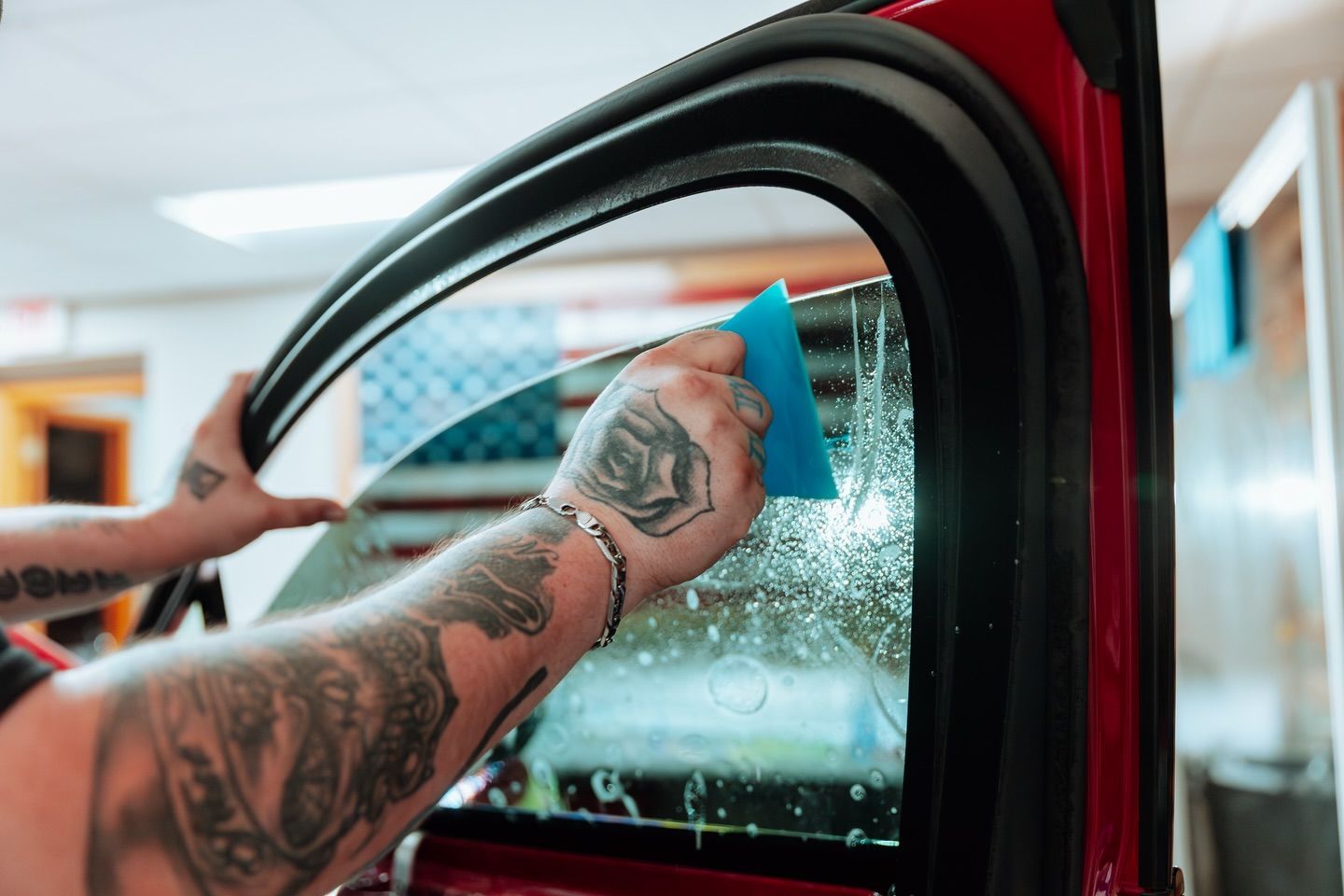
Benefits and Trade-Offs of Window Tinting
Window tinting offers several advantages, but it is important to understand the trade-offs before making a decision.
Benefits:
- Blocks up to 99 percent of harmful UV rays
- Reduces heat inside the vehicle
- Improves comfort during long drives
- Enhances privacy and protects valuables
- Reduces glare from headlights and sunlight
Trade-Offs:
- Dark tint can reduce nighttime visibility
- May affect peripheral awareness in low light
- Can limit visibility for other drivers
- Legal restrictions must be followed
The key is finding the right balance. For most drivers, staying within legal limits and choosing high-quality film provides the best results.
Ceramic window tint is often recommended because it delivers strong performance without the drawbacks of darker or lower-quality films.
How to Choose the Best Window Tint for Night Driving
Choosing the right window tint involves more than just selecting a darkness level. You need to consider visibility, safety, and compliance with local laws.
Here are practical tips to guide your decision:
- Stay within Wisconsin legal limits for VLT
- Choose ceramic film for better clarity and performance
- Avoid extremely dark tint if you frequently drive at night
- Consider your eyesight and comfort in low light conditions
- Test visibility by simulating darker conditions before installation
A simple way to test comfort is to wear sunglasses during an evening drive. If visibility becomes difficult, a darker tint may not be the right choice for you.
Working with a professional installer ensures that you get the right combination of performance, safety, and compliance.
Professional Window Tinting in Elm Grove and Brookfield, WI
Choosing the right window tint is not just about appearance. It directly affects your safety, comfort, and driving experience.
At Exquisite Auto Spa, we specialize in high-quality ceramic window tinting designed for optimal visibility and long-term performance. Our team helps drivers in Elm Grove, Brookfield, and the surrounding Milwaukee area select the right tint level based on their needs and Wisconsin regulations.
We focus on precision installation, premium materials, and solutions that enhance both daytime and nighttime driving.
If you are looking for safer night driving, reduced glare, and professional window tint installation, contact Exquisite Auto Spa today at 414-477-2134 or visit https://www.exquisiteautospa.com/pages/contact-us to get started.