What Happens When Paint Protection Film Gets Damaged? Scratches, Repairs, and Replacement
Damaged paint protection film does not always mean your vehicle's paint is damaged. Minor surface marks may become less noticeable through the film's self-healing properties, while deep scratches, punctures, and peeling edges may require professional replacement. Understanding these differences helps vehicle owners determine when to seek professional attention and maintain their vehicle's exterior protection.
At Exquisite Auto Spa, we provide professional paint protection film services for vehicle owners in Elm Grove, Brookfield, and surrounding Wisconsin communities. Led by Chris Williams, our team focuses on quality craftsmanship and careful vehicle protection. Whether you drive a daily commuter, luxury SUV, or performance vehicle, knowing how PPF responds to damage helps you make informed maintenance decisions.
Common Types of Paint Protection Film Damage
Paint protection film creates a durable barrier against road debris, minor surface imperfections, and environmental exposure. However, its effectiveness depends on the severity of an impact and the condition of the material.
Minor Scratches and Surface Marks
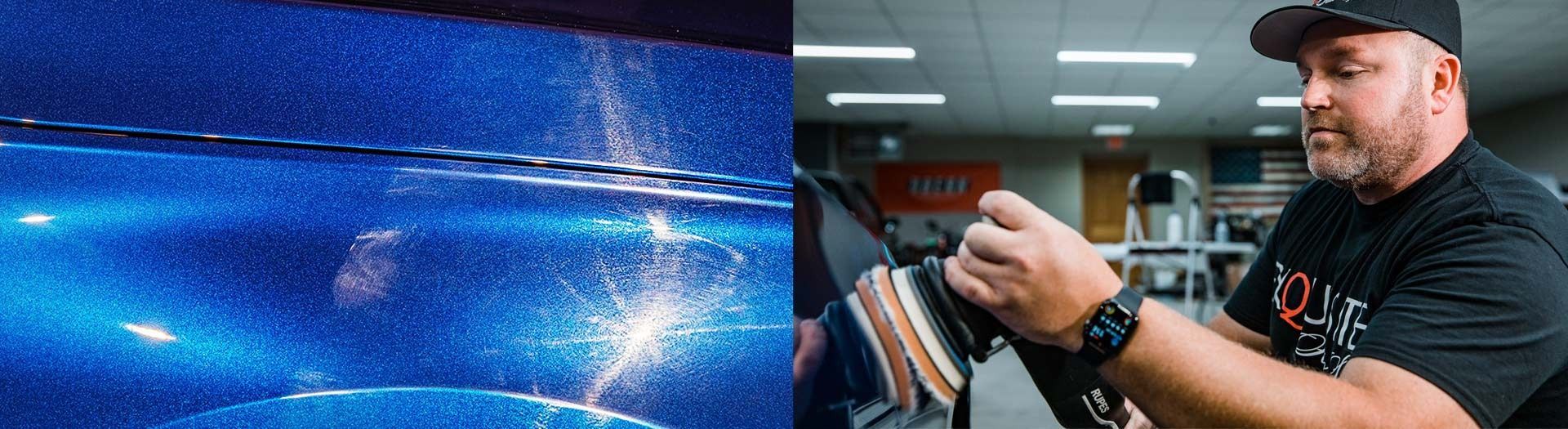
Light surface marks can develop during routine washing, everyday driving, or contact with debris. These imperfections typically affect the film's outer layer rather than the underlying paint.
Many premium PPF products feature self-healing topcoats that can reduce the appearance of minor marks when exposed to suitable warmth. However, this technology cannot repair every type of scratch.
Deep Scratches, Tears, and Punctures
Sharp objects, gravel, and road debris can penetrate or tear protective film. When an impact breaks through the material, the affected area may become vulnerable to additional exposure.
Although surrounding film may continue protecting the vehicle, punctures and tears should be professionally inspected to determine whether replacement is necessary.
Peeling Edges and Adhesion Problems
Film edges may begin lifting because of physical damage, wear, or adhesion concerns. Once separation occurs, dirt and moisture can collect underneath the material.
Avoid pulling or attempting to glue loose edges. Professional inspection can determine whether the affected film needs replacement.
Bubbles, Cloudiness, and Discoloration
Small moisture-related bubbles may appear shortly after installation and gradually disappear during curing. However, persistent bubbles, cloudiness, or discoloration may indicate installation concerns, contamination, or material deterioration.
These changes do not necessarily indicate paint damage, but they deserve attention if they continue developing.
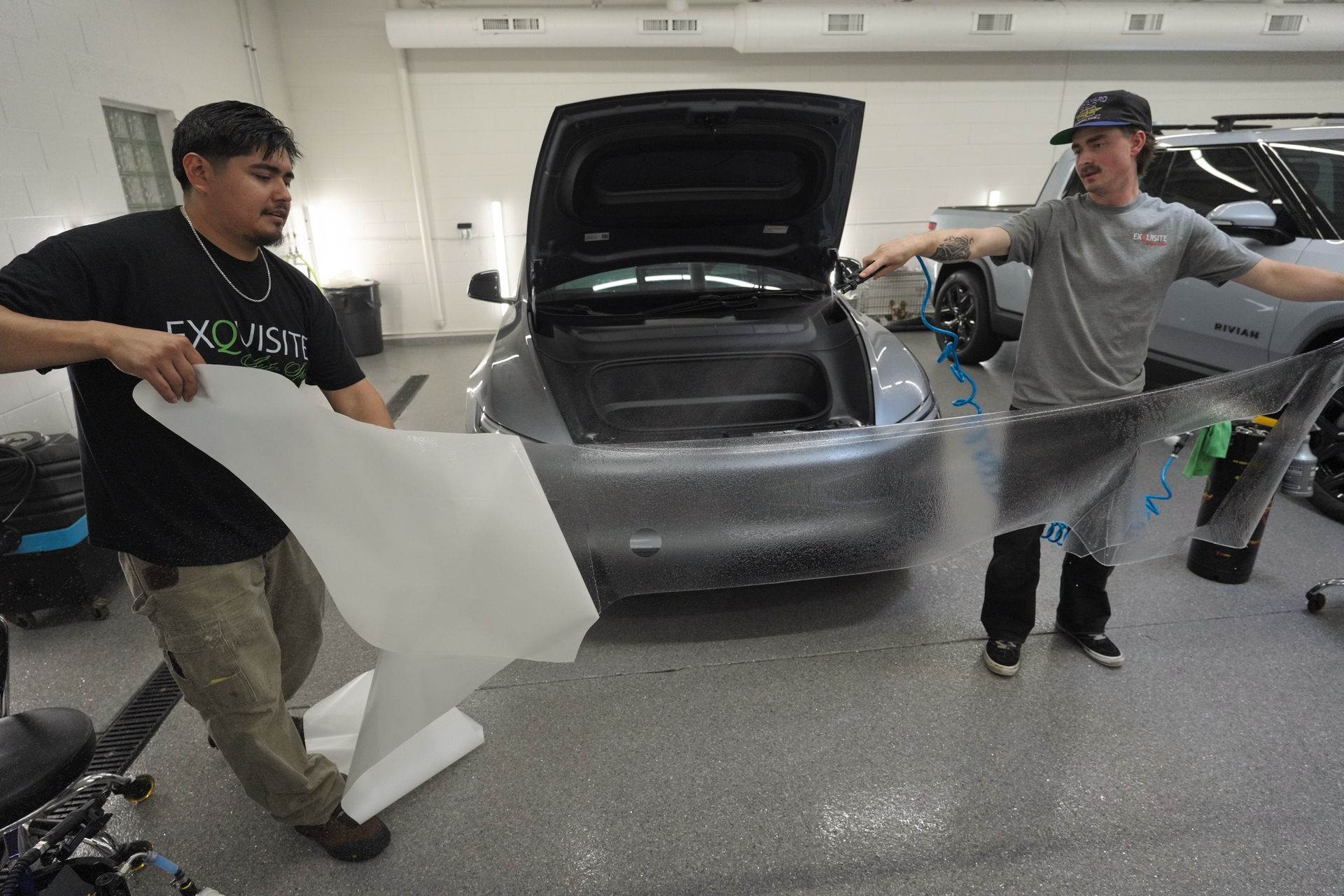
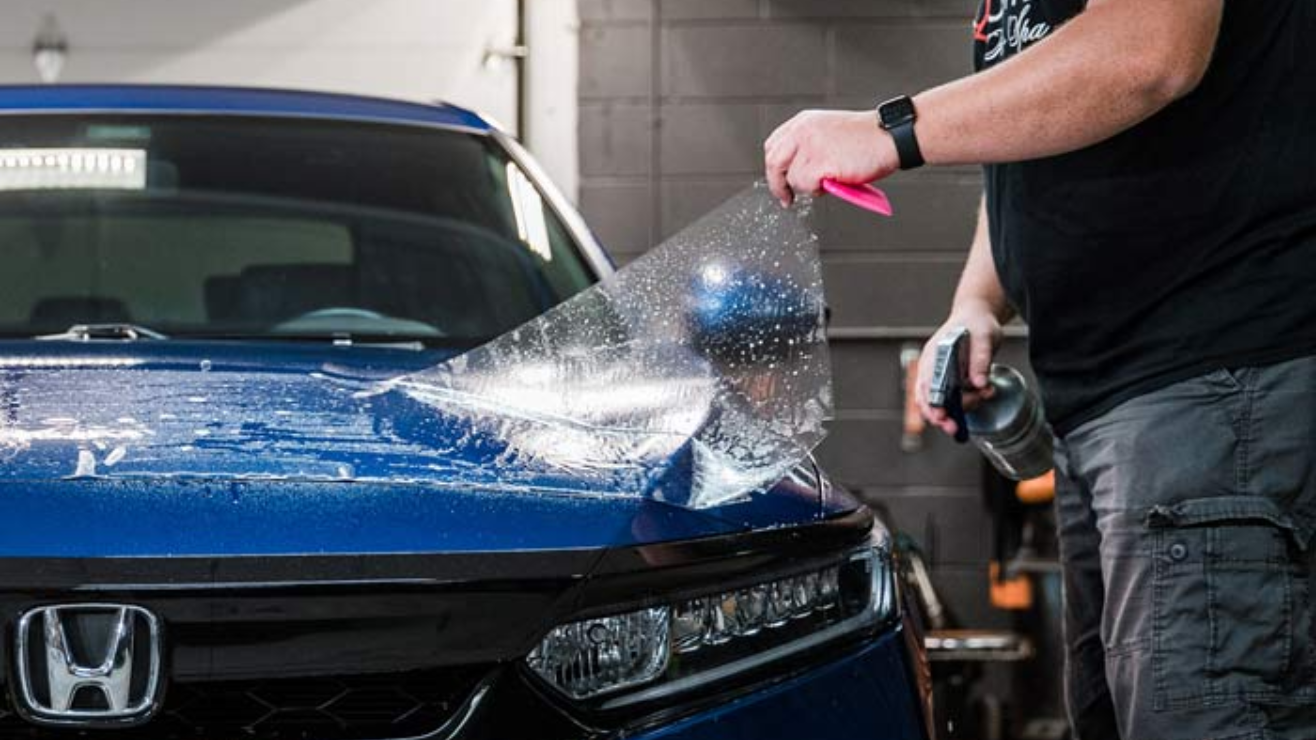
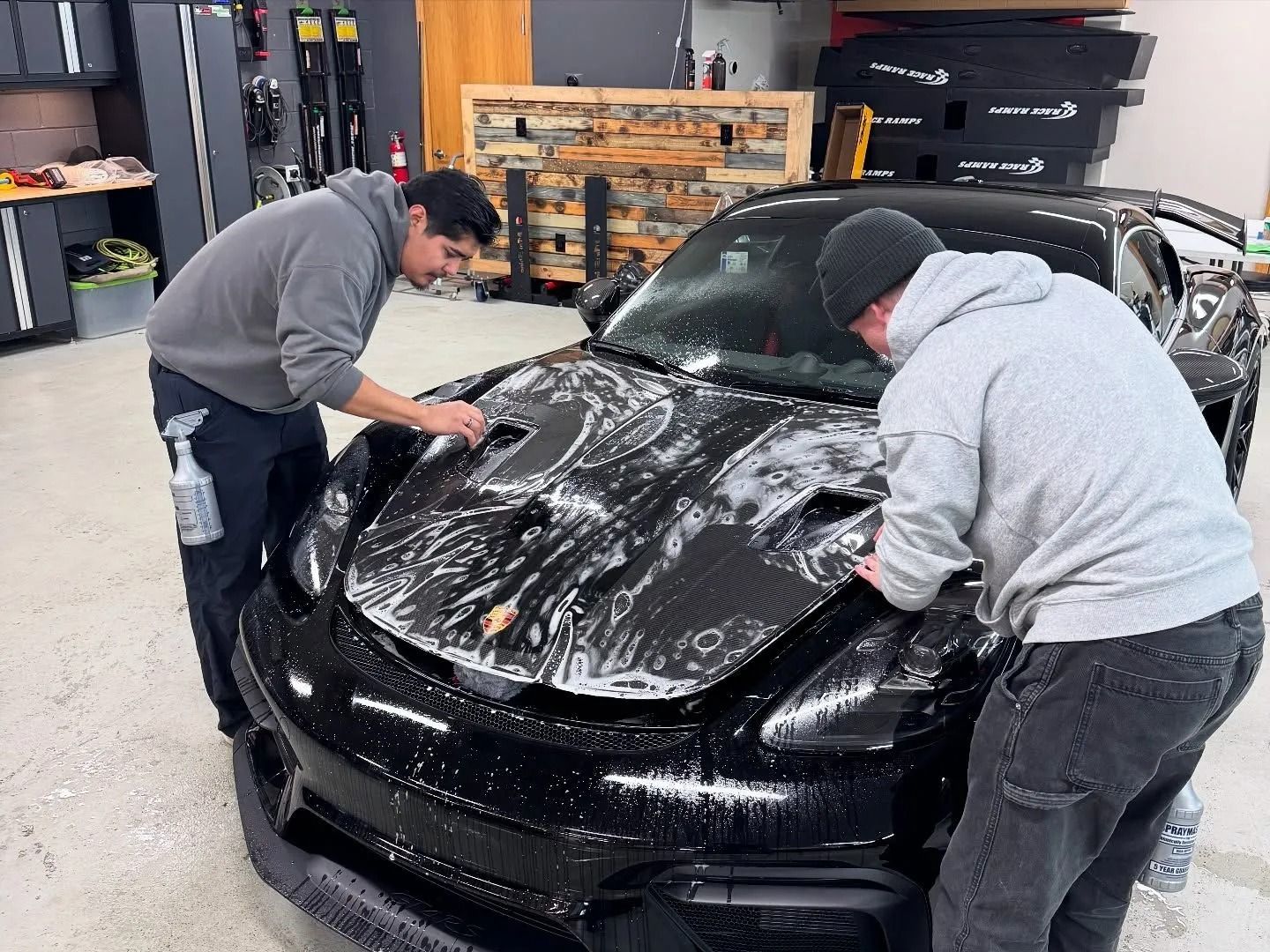
Can Self-Healing Paint Protection Film Repair Scratches?
Self-healing paint protection film can reduce minor surface imperfections, but it cannot repair deep cuts, tears, or punctures. Its protective topcoat is engineered to recover from certain light marks when exposed to appropriate warmth.
For example, faint marks caused by routine washing may become less visible as the surface warms naturally. Results depend on the specific film product, the depth of the damage, and the condition of the topcoat.
However, self-healing technology does not make PPF scratch-proof. Once an object penetrates the material, the film cannot restore its original protective structure.
Vehicle owners should consult a qualified installer when scratches remain visible or appear to extend through the film.
How to Identify Damaged Paint Protection Film
Recognizing PPF damage early can help prevent additional wear and support informed repair decisions.
Step 1: Inspect the Surface Carefully
Examine the affected area in natural daylight after gently cleaning the surface. Look from different angles to determine whether the damage appears superficial or extends through the material.
Avoid scraping the film with sharp objects or attempting to lift its edges.
Step 2: Look for Signs of Compromised Protection
Common warning signs include:
- Deep scratches, cuts, or visible punctures
- Peeling corners or lifting edges
- Persistent bubbles or trapped contamination
- Cracks, tears, or spreading damage
- Discoloration or unusual cloudiness
A visible mark does not always reveal the condition of the paint underneath. Professional evaluation provides a more reliable assessment.
Step 3: Document the Damage
Photograph the affected area and identify where the impact occurred. Pay particular attention to the front bumper, hood, side mirrors, rocker panels, and lower body panels.
These high-impact areas frequently encounter road debris during everyday driving.
Does Damaged PPF Affect the Paint Underneath?
Paint protection film is designed to absorb certain impacts that could otherwise affect a vehicle's painted surfaces. A scratch confined to the film does not necessarily indicate damage to the underlying finish.
However, a severe impact can penetrate the material and potentially chip or scratch the paint beneath it. Tears and lifted edges may also allow contaminants to reach exposed areas.
For drivers in Elm Grove and Brookfield, Wisconsin's winter road conditions create additional challenges. Gravel, road salt, and seasonal debris can contribute to exterior wear.
If an impact appears significant, avoid removing the film yourself. Improper removal can create additional risks, particularly on previously repainted or compromised surfaces.
A professional PPF inspection can help determine whether the damage affects the film alone or requires further paint assessment.
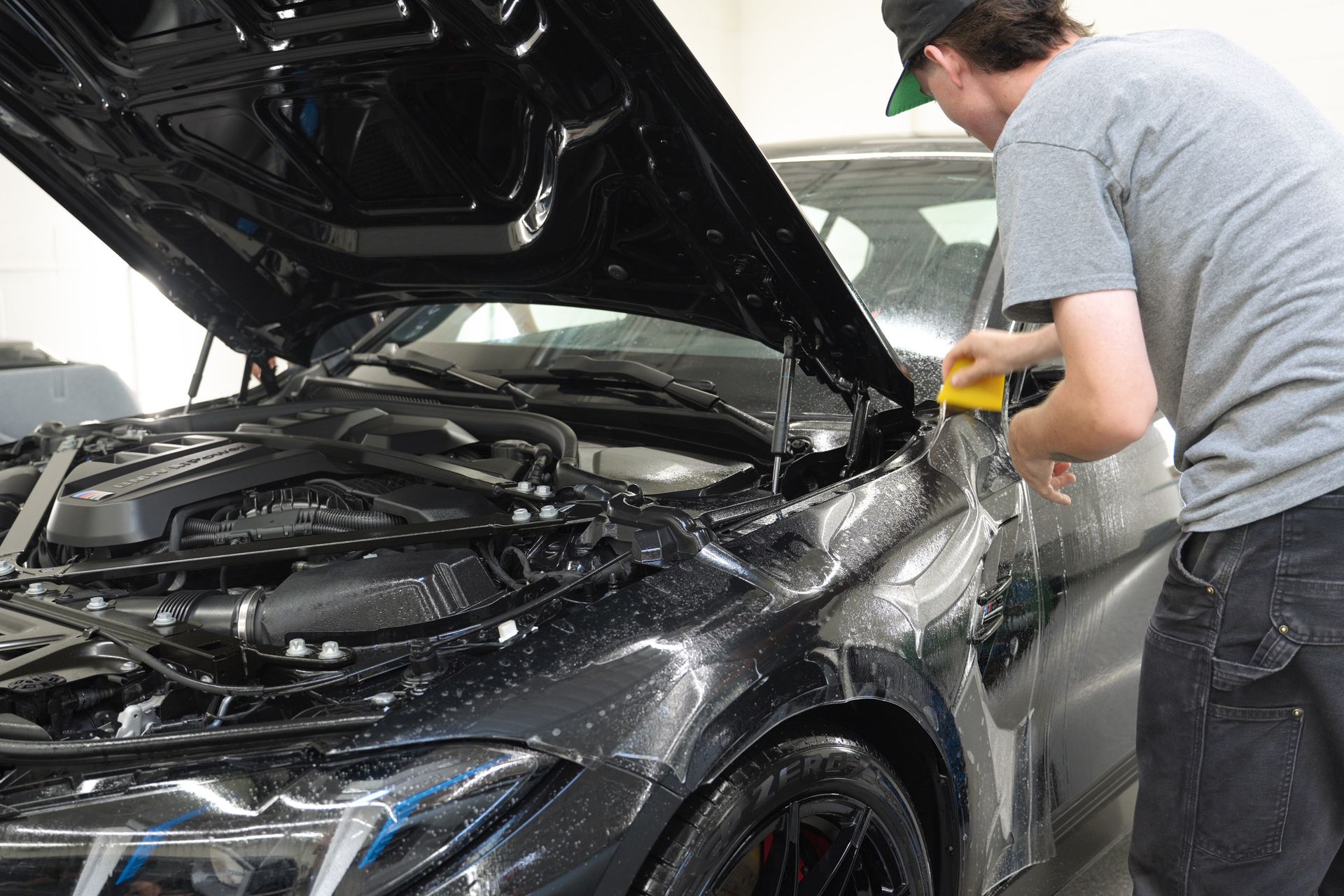
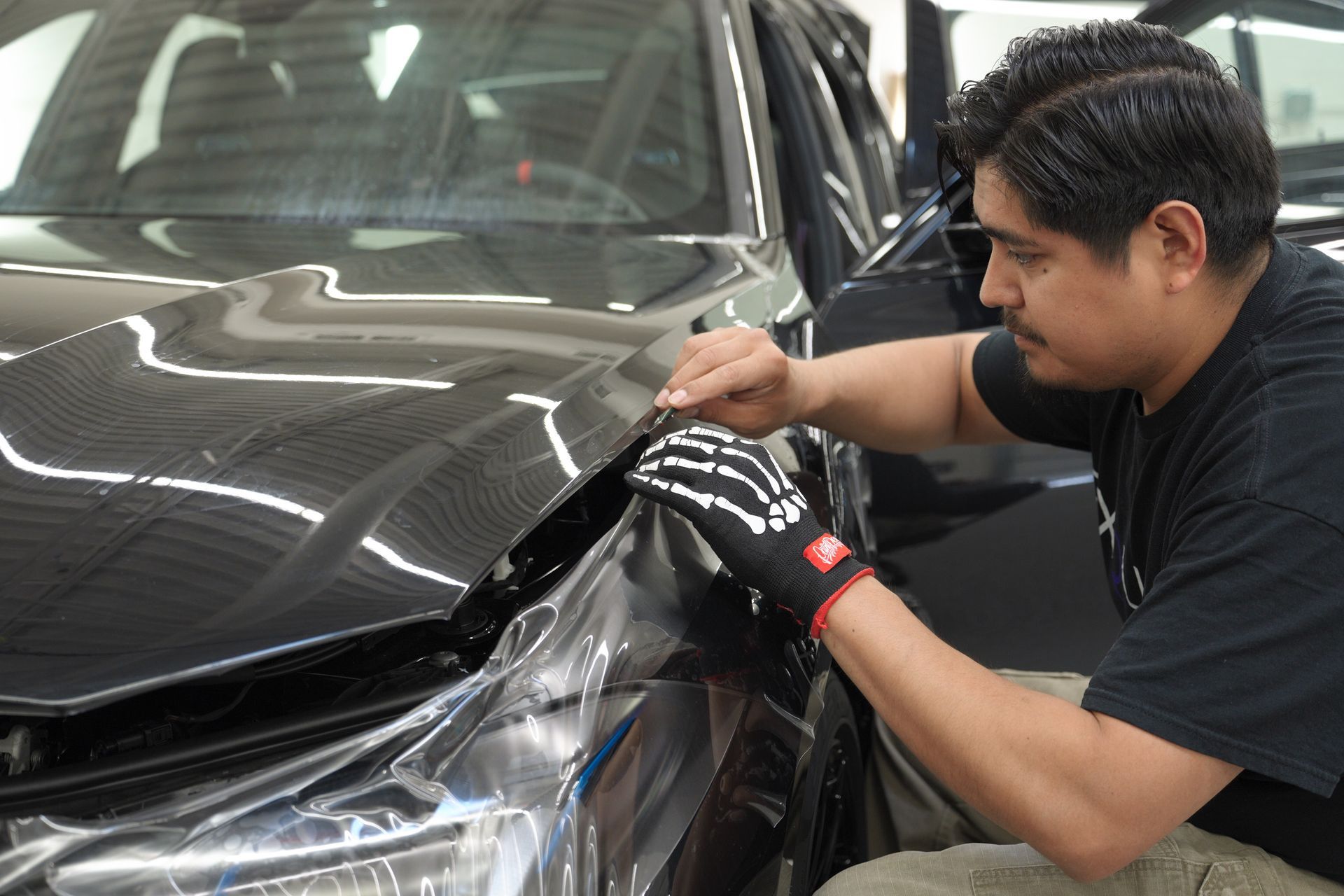
Should You Repair or Replace Damaged Paint Protection Film?
Can Only the Damaged Section Be Replaced?
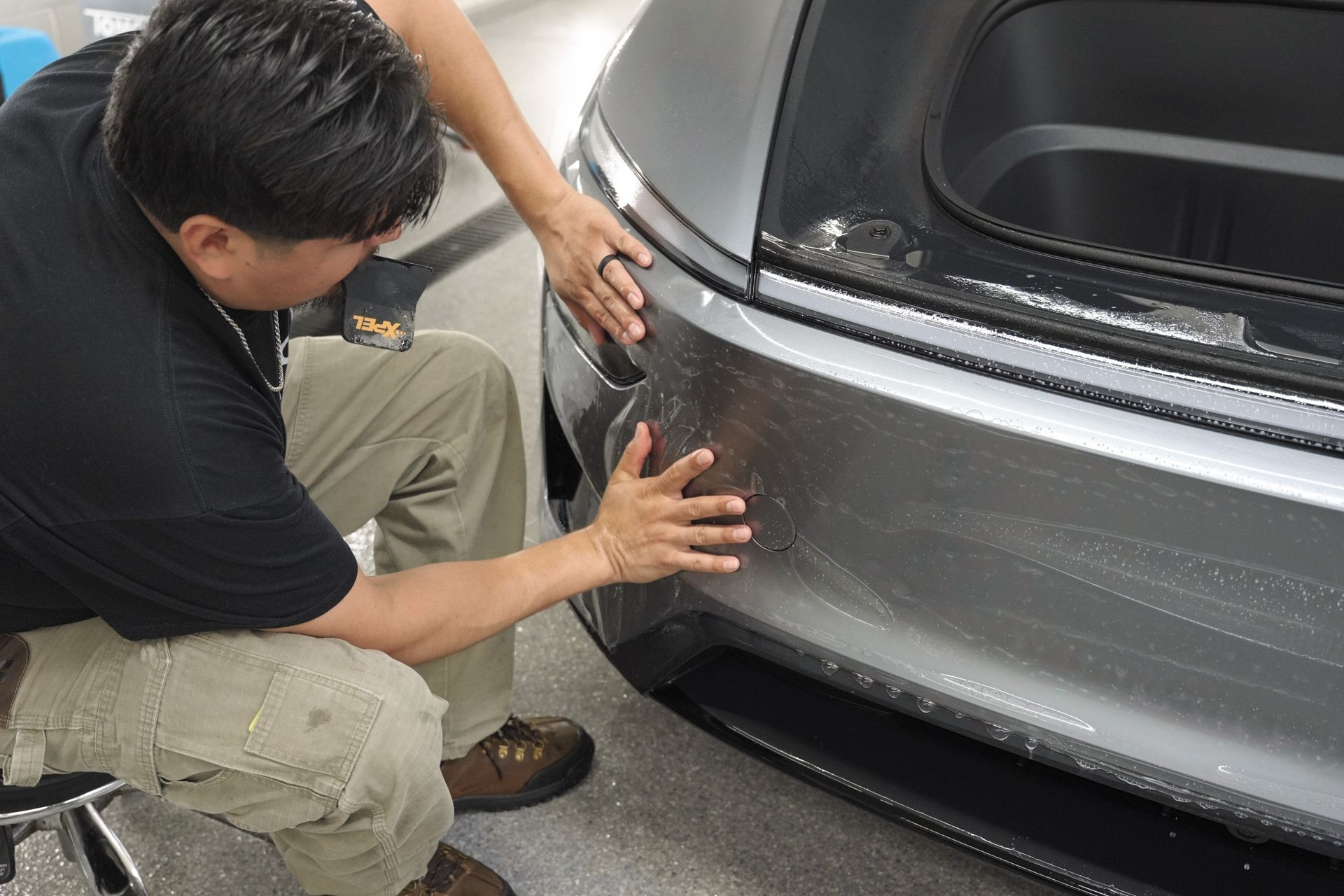
In some situations, an installer can replace an individual piece of damaged PPF without removing protection from the entire vehicle.
For example, damage limited to a front bumper may require replacing only that panel's film. However, replacing a small portion of a continuous film piece may not be practical.
An experienced installer can assess the installation and recommend an appropriate replacement approach.
Why Professional PPF Removal Matters
Removing damaged film requires careful handling and suitable techniques. Aggressive pulling or inappropriate chemicals may affect the underlying finish.
Previously repainted surfaces can present additional removal risks. If paint repairs are necessary, the affected film should be removed before refinishing, and new PPF should be installed only when the repaired surface is ready.
How to Maintain Your Paint Protection Film
Routine maintenance helps preserve your PPF's appearance and identify potential problems before they worsen.
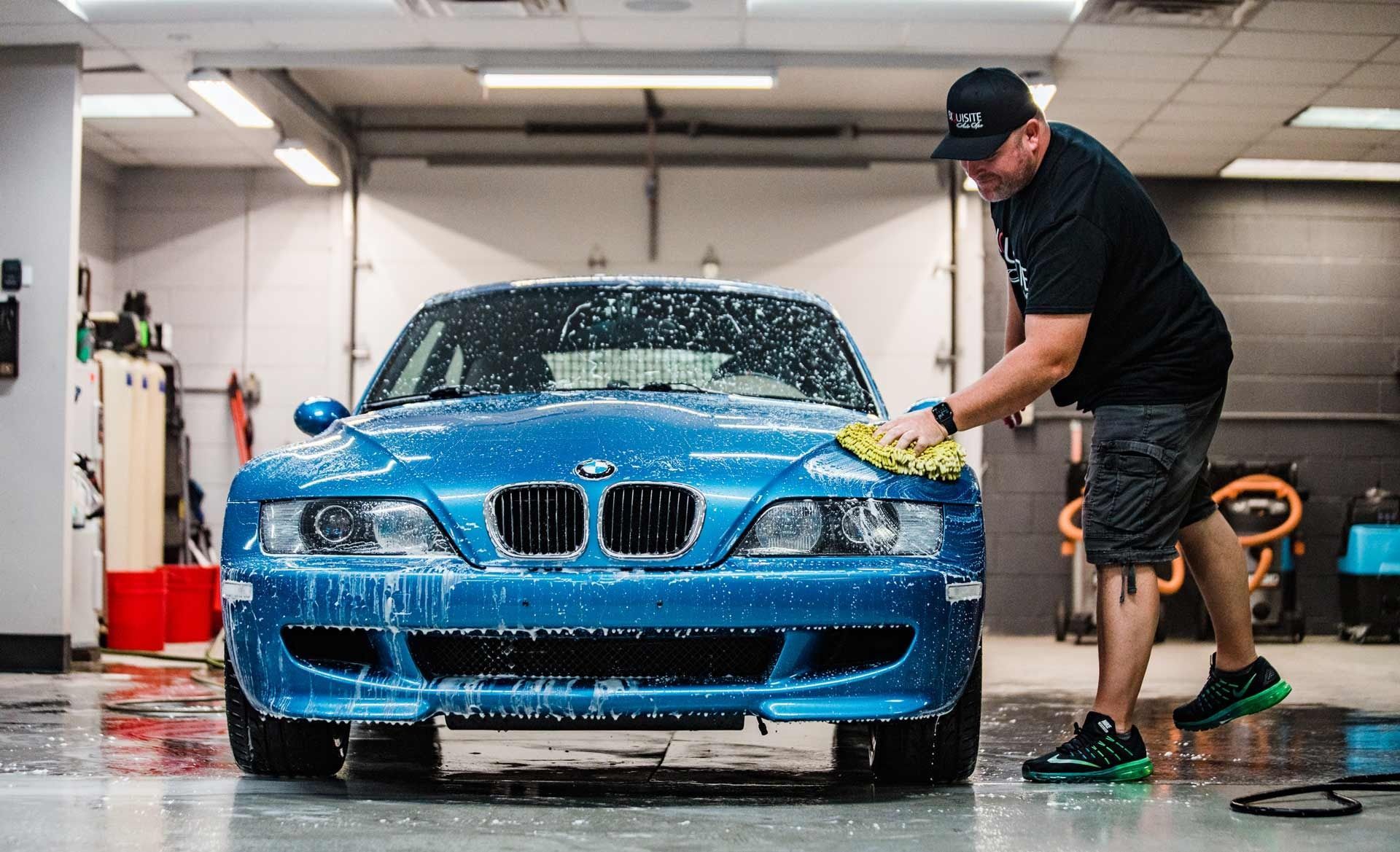
Use appropriate washing techniques. Clean the vehicle with a microfiber wash mitt and products approved by your film manufacturer. Avoid abrasive materials and harsh chemicals.
Inspect high-impact areas regularly. Examine the front bumper, hood, mirrors, and lower panels after significant road debris exposure.
Remove contaminants promptly. Bird droppings, bug residue, and tree sap should be cleaned using manufacturer-approved methods.
Protect film edges. Avoid directing concentrated pressure-washer spray toward seams, corners, or lifting sections.
Follow installation care instructions. Observe the manufacturer's recommended curing and washing periods, which vary by product.
Maintain service records. Keep installation dates, warranty details, and repair information available for future inspections.
These practices can help vehicle owners preserve the condition of their protective film throughout Wisconsin's changing seasons.
Professional Paint Protection Film Services in Elm Grove, WI
Damaged paint protection film does not always require extensive replacement, but identifying serious issues early helps maintain your vehicle's exterior protection. Whether the film has developed minor surface marks, peeling edges, or deeper damage, a professional evaluation can clarify the appropriate next steps.
At Exquisite Auto Spa, we provide professional PPF services for vehicle owners in Elm Grove, Brookfield, and surrounding communities. Our team takes pride in careful workmanship, knowledgeable guidance, and treating every vehicle with the attention it deserves.
If your paint protection film is scratched, peeling, or damaged,
contact Exquisite Auto Spa at
(414) 477-2134 to discuss your vehicle's condition and available protection options.
Recent Posts