

How to Fix and Prevent Ceramic Coating Failure: Expert Guide and Maintenance Tips
Ceramic coatings offer excellent protection for your vehicle's paint, providing a durable shield against contaminants, scratches, and environmental damage. However, even the best coatings can fail over time if not applied and maintained properly. Whether you're facing fading, peeling, or poor water beading, this guide will help you understand why ceramic coatings fail and how to restore and maintain their performance.
At
Exquisite Auto Spa, we specialize in luxury and performance vehicles. Over the years, we've learned that ceramic coating failures are often the result of simple mistakes made during preparation, application, or maintenance—not the product itself. This comprehensive guide will break down common causes of coating failure and provide practical steps for fixing and preventing these issues.
Common Causes of Ceramic Coating Failure
Improper Surface Preparation
Proper surface preparation is essential for the success of any ceramic coating. Think of it like painting a wall—you wouldn’t paint over dust or grease, right? Similarly, applying a ceramic coating to a dirty or poorly prepared surface will lead to poor adhesion, uneven coverage, and premature failure.
At Exquisite Auto Spa, we often encounter vehicles with this exact issue. Contaminants like dirt, oil residues, and leftover wax create invisible barriers that prevent the ceramic molecules from bonding to the paint properly. This results in patchy finishes or diminished gloss, sometimes within weeks of application.
How to Fix It: Start by thoroughly decontaminating your vehicle’s surface. Use a dedicated pH-balanced wash to remove oils and contaminants. After washing, perform a clay bar treatment to remove any embedded particles that could interfere with bonding. Finally, a light polishing will restore gloss without damaging the coating.
Incorrect Application Techniques
Many people believe that applying thicker layers of ceramic coating provides better protection. Unfortunately, this is a misconception. Excessive product application can lead to a cloudy finish and increase the likelihood of peeling or flaking. On the other hand, applying too little can leave significant areas exposed to damage.
How to Fix It: Achieving optimal results requires applying the coating in thin, even layers. It’s essential to avoid pooling or streaking, and precision is key. At Exquisite Auto Spa, we use professional-grade techniques and tools to ensure that every application is perfect, ensuring your coating lasts for years.
Fixing Application Mistakes
If you notice minor imperfections, such as uneven spots or areas where the coating is too thick or thin, there are ways to correct these issues without the need for a full reapplication.
- Uneven Coating: If certain areas of the vehicle appear shinier than others or show signs of fading, gently polish these areas with a ceramic-safe polish. Then, reapply the coating to the affected sections.
- Excessive Thickness: If the coating is too thick in some areas, it can be removed using chemical removers or wet sanding. Be sure to reapply a thin layer after removal.
- Contaminated Surface: If contaminants are embedded in the coating, use a clay bar to remove them before polishing and reapplying the coating.
If the problem is more severe, such as poor adhesion or extensive contamination, a complete removal and reapplication might be necessary. This process includes using a clay bar, performing light abrasive polishing, and ensuring proper surface preparation before applying a fresh coat of ceramic.
Maintaining Water Beading and Hydrophobic Properties
One of the primary benefits of ceramic coatings is their hydrophobic properties. When the coating is working properly, water beads up and rolls off the surface, leaving the paint dry and clean. If you notice that water is no longer beading or rolling off, it's a sign that the coating’s hydrophobic properties are compromised.
How to Fix It: Start by thoroughly cleaning your vehicle’s surface with a pH-balanced automotive shampoo designed for ceramic coatings. If the issue persists, use a clay bar to remove stubborn contaminants. Applying a professional-grade ceramic spray topper will restore the hydrophobic effect, ensuring that water beads off the surface as it should.
Regular maintenance is key to keeping your ceramic coating in top condition. We recommend applying a spray topper every 3-6 months, depending on your local climate and how often your vehicle is exposed to contaminants.
Preventive Measures for Long-Term Success
Prevention is always more cost-effective than correction. By establishing proper maintenance routines from the moment your ceramic coating is applied, you can ensure long-term performance and durability.
Proper Cleaning Techniques
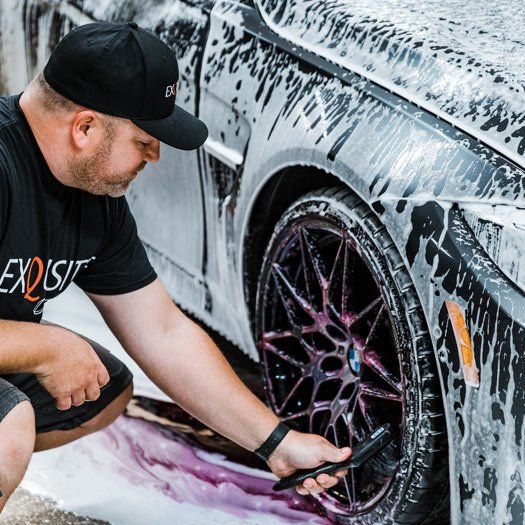
Your washing method has a significant impact on the longevity of your ceramic coating. We recommend using a two-bucket wash system with grit guards to minimize the risk of introducing scratches during cleaning. Always use a pH-balanced shampoo formulated specifically for ceramic coatings. Avoid automatic car washes that use harsh chemicals or abrasive brushes, as they can damage the coating.
Drying: Proper drying is just as important as washing. Using high-quality microfiber towels (at least 300 GSM) prevents micro-scratching and ensures that all water is removed without leaving behind mineral deposits. Dry your vehicle using gentle blotting motions rather than aggressive rubbing.
Material Quality and Selection
When performing maintenance, the quality of your tools matters. Substandard towels, applicator pads, or spray products can introduce scratches or leave residues that diminish the coating’s effectiveness.
Invest in premium materials to ensure that the coating remains protected. For example, use clean microfiber towels, fresh applicator pads, and professional-grade ceramic spray boosters. Properly storing these materials—such as keeping spray products at room temperature—can also extend their effectiveness.
Routine Maintenance Strategies
Routine maintenance is essential for keeping your ceramic coating performing at its best. This includes regular washing, decontamination, and periodic reapplication of spray boosters. Here are some important points to keep in mind:
- Wash Every 2 Weeks: Wash your vehicle every two weeks with a pH-balanced shampoo designed for ceramic coatings. This removes contaminants without compromising the coating.
- Apply Ceramic Spray Boosters: Every 3-6 months, apply a ceramic spray topper to refresh the coating's hydrophobic properties.
- Inspect Regularly: Monthly inspections under direct sunlight can help you spot issues early. Look for signs like water sheeting (rather than beading), areas where gloss appears diminished, or stubborn contamination.
- Proper Drying: Always dry your vehicle with premium microfiber towels to prevent scratching and mineral buildup that can damage the coating.
Conclusion
A ceramic coating is a long-term investment in your vehicle’s protection. However, to maintain its effectiveness, regular maintenance and proper application are crucial. By following the tips and strategies outlined in this guide, you can prevent coating failure and ensure that your vehicle's finish remains flawless for years to come.
At Exquisite Auto Spa, we offer expert ceramic coating services and maintenance to protect your vehicle. Whether you need help with application, fixing imperfections, or ongoing maintenance, our team is here to ensure your vehicle remains in top condition. Serving the Elm Grove and Brookfield, Wisconsin, areas, we’re dedicated to delivering excellence and customer satisfaction.
Frequently Asked Questions
Can environmental factors like sunlight and moisture contribute to ceramic coating failure?
Yes, exposure to UV radiation and moisture can degrade ceramic coatings. UV rays break down the polymers in the coating, leading to a loss of protection and appearance deterioration. Moisture, combined with environmental pollutants, can cause delamination or spotting. Regular maintenance is necessary to mitigate these risks.
How often should ceramic coatings be maintained or reapplied to avoid failure?
Regular maintenance every 6-12 months is recommended, depending on exposure to environmental factors. A well-maintained coating can last for 5 years or more, while neglected coatings degrade faster. Complete reapplication is generally needed every 2-3 years.
What steps should be taken to repair damaged ceramic coating?
To repair damaged coating, begin with a thorough cleaning and decontamination of the surface. Next, polish any imperfections and reapply the coating in thin, even layers. Following the manufacturer’s curing specifications is essential for optimal performance.
Contact Exquisite Auto Spa
For expert ceramic coating services and advice, reach out to us today. We provide professional coating applications, maintenance, and repairs for vehicles in Elm Grove and Brookfield, WI.
Phone: 414-477-2134
Visit:
www.exquisiteautospa.com/pages/contact-us