What to Look For in Choosing Paint Protection Film Installers

August 18, 2026

Share this article

Ceramic coating is a liquid polymer applied to a car's exterior. Unlike traditional waxes or sealants, ceramic coatings chemically bond with the car’s factory paint, creating a durable layer of protection. This coating shields the vehicle from environmental hazards like UV rays, bird droppings, acid rain, and road salt. It also provides a glossy, mirror-like finish, making your high-performance sports car look as good as new for longer.

Your car is a significant investment, and protecting its exterior is essential to maintaining its value and appearance. Paint protection film (PPF) is a reliable and cost-effective solution to shield your vehicle's paintwork from scratches, road debris, and UV rays. However, choosing the right PPF installer is crucial to ensuring the film is applied correctly and effectively. In this blog post, we'll explore the key factors to consider when selecting a paint protection film installer.

Every surface must be completely dry before applying the ceramic coating. We use premium waffle-weave microfiber towels and compressed air to ensure that moisture is removed from every crevice, body line, and surface. Residual moisture can reduce ceramic coating effectiveness by up to 40%, making this step essential for a flawless application.

After washing, we employ a clay bar treatment to remove embedded impurities that regular washing cannot eliminate. This critical step can remove up to 90% of surface contaminants that would otherwise interfere with the ceramic coating bonding process. The clay bar works by lubricating the surface and gently pulling embedded particles that can create microscopic barriers to proper adhesion.


For vehicles with significant contamination—particularly those that haven’t been professionally detailed in months or years—we may employ additional decontamination methods, such as iron removal treatments that dissolve embedded metallic particles from brake dust and road debris.

3. Glare Reduction

5. Enhanced Appearance

Environmental Factors to Consider

When to Consider Reapplication or Professional Inspection

Resistance to Environmental Pollutants

Making sure your car is in top shape is essential before you apply a ceramic coating to it. This pre-coating maintenance plays a vital role in the longevity and effectiveness of the ceramic coating. Prior to applying the coating, remember to do the following crucial steps:

  1. 1. Completely Clean and Decontaminate: Start by giving your car a thorough wash with a microfiber wash mitt and a premium automotive shampoo, being sure to get rid of any dirt, grime, or contaminants from the exterior. Use a clay bar or a detailed clay to further remove embedded contaminants and provide a smooth surface for the ceramic coating to adhere to.
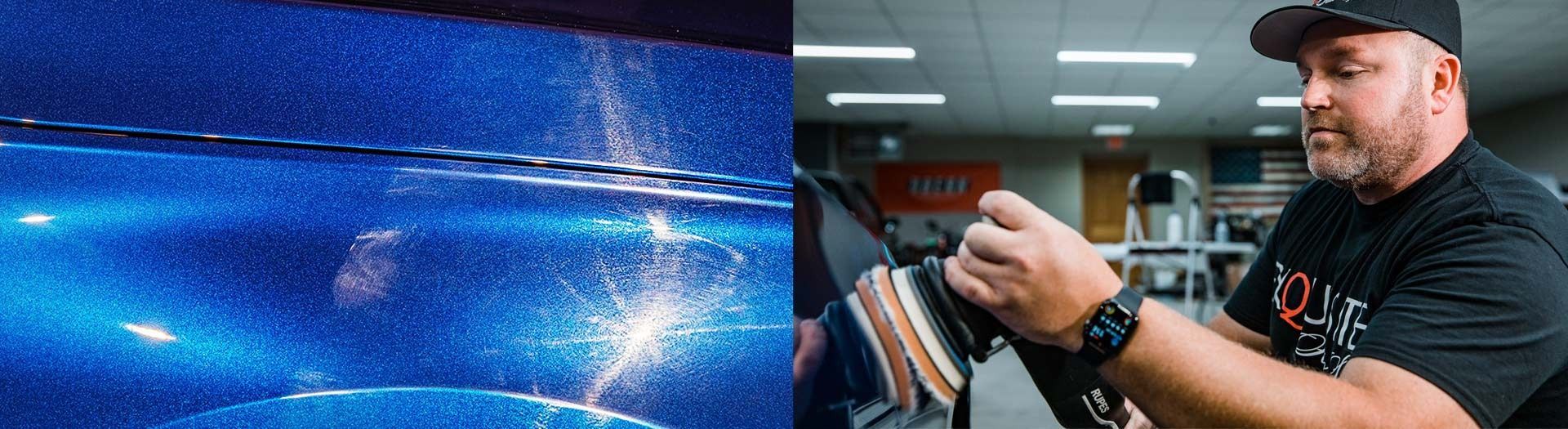
  2. 2. Paint Correction: Prior to applying the ceramic coating, paint correction should be done if your car has noticeable swirl marks or other flaws in the paint. This step involves using polishing compounds and specialized tools to restore the clarity and smoothness of the painted surface. A flawless painted finish enhances the overall appearance of your vehicle when protected by a ceramic coating.
  3. 3. Surface Preparation: Once your car is clean and corrected, it is essential to prepare the surface properly for optimum bonding with the ceramic coating. This step may involve using a panel wipe or a dedicated prep solution to remove any remaining oils, waxes, or residue from previous products. This ensures that the ceramic coating can adhere directly to the paintwork for maximum longevity and performance.

Evaluating the Quality of the Paint Protection Film Installer's Service

When it comes to protecting your vehicle's paint, choosing the right installer for the paint protection film (PPF) is crucial. The quality of the installation greatly impacts the effectiveness and durability of the film. So, how can you evaluate the quality of a paint protection film installer's service?


  1. Look for an installer with experience and expertise in installing PPF. A reputable installer will have a track record of successfully completing numerous installations and will be familiar with various vehicle makes and models.
  2. Consider the reputation of the installer within the industry. Look for reviews and recommendations from previous customers. This will give you insight into their level of customer satisfaction and the quality of their work.
  3. A professional PPF installer should also provide detailed information about the products they use. Ask about the brand of film they install and inquire whether it is a high-quality product known for its durability and self-healing properties. A knowledgeable installer will be able to explain the different options available based on your budget and specific needs.
  4. Assessing the cleanliness and organization of their installation facility is essential. A well-maintained workspace reflects professionalism and attention to detail—qualities necessary for delivering a high-quality PPF installation.
  5. Don't hesitate to ask questions during your initial consultation or estimating session with the installer. Inquire about their process, warranty offerings, and any additional services they may provide, such as paint correction or maintenance packages.


By carefully evaluating these aspects, you can gain confidence in selecting a paint protection film installer who prioritizes your vehicle's cosmetic preservation in a meticulous manner.

Detail-Oriented Approach and Professionalism

A truly detail-oriented installer will invest time and effort into properly preparing your vehicle's surface before applying the film. They will thoroughly clean the exterior, ensuring all debris, dirt, and contaminants are removed. This meticulousness is crucial, as any particles trapped beneath the film can cause long-term damage to your car's paint job.


Moreover, a professional installer understands that precision is key when it comes to cutting and fitting the PPF to your vehicle's specific contours. They will take their time to ensure that the film fits snugly without any misalignments or gaps. This level of precision not only enhances the aesthetic appeal but also maximizes the protective benefits of the film.


Additionally, a detail-oriented installer will carefully inspect their work upon completion. They should conduct a thorough quality check to ensure there are no flaws or imperfections in the installation. Furthermore, they should be willing to address any concerns or issues you may have after receiving their services.


Some might argue that attention to detail is subjective and varies from person to person. While this may be true to some extent, it is essential to find an installer who puts in extra effort and goes above and beyond to deliver exceptional results. An installer who exhibits professionalism, pays attention to detail, and takes pride in their craft will undoubtedly leave you satisfied with their service.

Reviewing Completed Projects

When considering hiring a paint protection film installer, one key step you should take is to review their completed projects. This allows you to gauge the quality of their work and determine whether they can meet your expectations. A reputable installer should have a portfolio or gallery showcasing their past installations. Take the time to closely examine these images and assess the level of precision, attention to detail, and overall finish.

In addition to examining photos, try to find reviews or testimonials from previous customers who have had their vehicles protected by the installer in question. Online platforms such as Google Reviews or social media channels can be valuable sources of feedback. Pay close attention to comments about customer satisfaction, timeliness, communication, and the overall experience. This direct feedback from others who have already gone through the process can provide valuable insights into the installer's reliability and professionalism.

Every surface must be completely dry before applying the ceramic coating. We use premium waffle-weave microfiber towels and compressed air to ensure that moisture is removed from every crevice, body line, and surface. Residual moisture can reduce ceramic coating effectiveness by up to 40%, making this step essential for a flawless application.

After washing, we employ a clay bar treatment to remove embedded impurities that regular washing cannot eliminate. This critical step can remove up to 90% of surface contaminants that would otherwise interfere with the ceramic coating bonding process. The clay bar works by lubricating the surface and gently pulling embedded particles that can create microscopic barriers to proper adhesion.


For vehicles with significant contamination—particularly those that haven’t been professionally detailed in months or years—we may employ additional decontamination methods, such as iron removal treatments that dissolve embedded metallic particles from brake dust and road debris.

3. Glare Reduction

5. Enhanced Appearance

Environmental Factors to Consider

When to Consider Reapplication or Professional Inspection
Resistance to Environmental Pollutants

Making sure your car is in top shape is essential before you apply a ceramic coating to it. This pre-coating maintenance plays a vital role in the longevity and effectiveness of the ceramic coating. Prior to applying the coating, remember to do the following crucial steps:

  1. 1. Completely Clean and Decontaminate: Start by giving your car a thorough wash with a microfiber wash mitt and a premium automotive shampoo, being sure to get rid of any dirt, grime, or contaminants from the exterior. Use a clay bar or a detailed clay to further remove embedded contaminants and provide a smooth surface for the ceramic coating to adhere to.
  2. 2. Paint Correction: Prior to applying the ceramic coating, paint correction should be done if your car has noticeable swirl marks or other flaws in the paint. This step involves using polishing compounds and specialized tools to restore the clarity and smoothness of the painted surface. A flawless painted finish enhances the overall appearance of your vehicle when protected by a ceramic coating.
  3. 3. Surface Preparation: Once your car is clean and corrected, it is essential to prepare the surface properly for optimum bonding with the ceramic coating. This step may involve using a panel wipe or a dedicated prep solution to remove any remaining oils, waxes, or residue from previous products. This ensures that the ceramic coating can adhere directly to the paintwork for maximum longevity and performance.
Understanding Installers' Experience and Expertise

Another important factor to consider before hiring a paint protection film installer is their experience and expertise in the field. Installing paint protection film requires a certain level of skill and knowledge, as it involves manipulating adhesive materials and properly adhering them to a vehicle's surface without causing damage or leaving traces behind.


Ideally, you would want to choose an installer who has extensive experience installing paint protection films on various types of vehicles. This includes not only different makes and models but also various sizes and shapes, such as cars, trucks, SUVs, and motorcycles. With a diverse range of experience, an installer is more likely to be equipped to handle any challenges that may arise during installation. Moreover, it's important to consider whether the paint protection film installers have received specialized training and certification.


Reputable installers often undergo training programs provided by manufacturers of high-quality paint protection films. These programs ensure that installers are well-versed in the best practices for handling the films, cutting them accurately, and applying them smoothly to achieve optimal coverage and protection. Certification from these training programs serves as evidence of an installer's expertise and commitment to delivering top-notch installation services.


By considering an installer's experience in the industry along with any specialized training they have obtained, you can ensure that you are entrusting your vehicle to capable hands.

Importance of Training and Certification

When it comes to hiring a paint protection film installer, one of the most critical factors to consider is their level of training and certification. Just like any specialized skill, installing paint protection film requires proper knowledge, techniques, and experience. It involves intricate processes such as measuring and cutting the film precisely, applying it smoothly without bubbles or creases, and ensuring a seamless finish that enhances the appearance of the vehicle while providing optimal protection.


By choosing an installer who has undergone professional training and holds relevant certifications, you can have confidence in their ability to deliver exceptional results. These credentials demonstrate their commitment to mastering the craft and adhering to industry best practices. A trained and certified installer will have a deep understanding of different types of films, application methods, surface preparation techniques, and post-installation care.


In addition to technical expertise, training and certification often involve staying abreast of the latest advancements in paint protection film technology. With this knowledge, installers can recommend and utilize the most effective products for your specific vehicle and needs. They can also provide valuable insights on maintenance and ensure that the film is installed in a manner that maximizes its durability and longevity.

Every surface must be completely dry before applying the ceramic coating. We use premium waffle-weave microfiber towels and compressed air to ensure that moisture is removed from every crevice, body line, and surface. Residual moisture can reduce ceramic coating effectiveness by up to 40%, making this step essential for a flawless application.

After washing, we employ a clay bar treatment to remove embedded impurities that regular washing cannot eliminate. This critical step can remove up to 90% of surface contaminants that would otherwise interfere with the ceramic coating bonding process. The clay bar works by lubricating the surface and gently pulling embedded particles that can create microscopic barriers to proper adhesion.


For vehicles with significant contamination—particularly those that haven’t been professionally detailed in months or years—we may employ additional decontamination methods, such as iron removal treatments that dissolve embedded metallic particles from brake dust and road debris.

3. Glare Reduction

5. Enhanced Appearance

Environmental Factors to Consider

When to Consider Reapplication or Professional Inspection

In addition to the seasonal maintenance tips outlined above, there are a few general practices you should follow year-round to keep your Paint Protection Film in top condition.


1. Hand Wash Your Vehicle: Automatic car washes can be too harsh for PPF, potentially causing damage or lifting the film. Instead, opt for hand washing using gentle techniques and products. Hand washing allows you to control the pressure and direction of the wash, reducing the risk of damaging the PPF.


2. Avoid Harsh Chemicals: On your paint protection film, avoid using harsh chemicals, such as strong detergents or solvents. To avoid damaging the film, stick to products specifically designed for PPF use. These products' formulation ensures effective cleaning without removing the protective layers that keep the film functioning.


3. Pay Attention to Parking: When possible, steer clear of areas where your vehicle may come into contact with industrial fallout. If you must park in such areas, consider using a car cover or investing in a regular detailing routine to keep the PPF in top shape.


4. Schedule Regular Inspections: Consider scheduling regular inspections with a professional to ensure that your paint protection film is in excellent condition. They can detect any potential issues early and recommend the best course of action. Regular inspections help in identifying areas that may need reapplication or repair, ensuring that your investment in PPF continues to protect your vehicle as intended.


5. Educate Yourself on PPF-Friendly Products: Not all car care products are suitable for use with PPF. Educate yourself on the best products to use for cleaning, waxing, and maintaining your vehicle to avoid inadvertently causing damage. Many manufacturers offer PPF-specific product lines that provide the best results while preserving the integrity of the film.


Cost Implications of Hiring a Paint Protection Film Installer

It's natural to wonder about the costs involved when seeking the services of a professional paint protection film installer. While it may seem tempting to go for cheaper alternatives or attempt a DIY installation, it's important to consider the long-term implications, both financially and in terms of the quality of the installation.


Let's break down the cost implications and weigh the possible outcomes. On one hand, opting for a lower-priced installer may save you money upfront, but it could come at the expense of subpar workmanship or inferior film quality. This can lead to unsightly bubbles, peeling edges, or even premature film failure. In such cases, you may end up spending more in the long run to rectify these issues or replace the film entirely.


On the other hand, hiring a reputable and experienced paint protection film installer may require a higher upfront cost. However, this investment often pays off in terms of superior craftsmanship and the use of premium materials that offer better protection and durability. Moreover, an established installer typically provides warranties on their workmanship and products, giving you peace of mind and added value for your money.


When considering costs, it's important to evaluate not only the immediate expenses but also factors like reputation, experience, testimonials from previous customers, and the overall quality of service. Remember that you're not just paying for the physical installation but also for enhanced aesthetic appeal, prolonged protection for your vehicle's exterior surfaces, and potential savings in future repairs.

Every surface must be completely dry before applying the ceramic coating. We use premium waffle-weave microfiber towels and compressed air to ensure that moisture is removed from every crevice, body line, and surface. Residual moisture can reduce ceramic coating effectiveness by up to 40%, making this step essential for a flawless application.

After washing, we employ a clay bar treatment to remove embedded impurities that regular washing cannot eliminate. This critical step can remove up to 90% of surface contaminants that would otherwise interfere with the ceramic coating bonding process. The clay bar works by lubricating the surface and gently pulling embedded particles that can create microscopic barriers to proper adhesion.


For vehicles with significant contamination—particularly those that haven’t been professionally detailed in months or years—we may employ additional decontamination methods, such as iron removal treatments that dissolve embedded metallic particles from brake dust and road debris.

3. Glare Reduction

5. Enhanced Appearance

Environmental Factors to Consider

When to Consider Reapplication or Professional Inspection

In addition to the seasonal maintenance tips outlined above, there are a few general practices you should follow year-round to keep your Paint Protection Film in top condition.


1. Hand Wash Your Vehicle: Automatic car washes can be too harsh for PPF, potentially causing damage or lifting the film. Instead, opt for hand washing using gentle techniques and products. Hand washing allows you to control the pressure and direction of the wash, reducing the risk of damaging the PPF.


2. Avoid Harsh Chemicals: On your paint protection film, avoid using harsh chemicals, such as strong detergents or solvents. To avoid damaging the film, stick to products specifically designed for PPF use. These products' formulation ensures effective cleaning without removing the protective layers that keep the film functioning.


3. Pay Attention to Parking: When possible, steer clear of areas where your vehicle may come into contact with industrial fallout. If you must park in such areas, consider using a car cover or investing in a regular detailing routine to keep the PPF in top shape.


4. Schedule Regular Inspections: Consider scheduling regular inspections with a professional to ensure that your paint protection film is in excellent condition. They can detect any potential issues early and recommend the best course of action. Regular inspections help in identifying areas that may need reapplication or repair, ensuring that your investment in PPF continues to protect your vehicle as intended.


5. Educate Yourself on PPF-Friendly Products: Not all car care products are suitable for use with PPF. Educate yourself on the best products to use for cleaning, waxing, and maintaining your vehicle to avoid inadvertently causing damage. Many manufacturers offer PPF-specific product lines that provide the best results while preserving the integrity of the film.


Trust Exquisite Auto Spa, your trusted expert in Paint Protection Film installation.

At Exquisite Auto Spa, we are passionate about preserving and maintaining the appearance of your vehicle. Our expertise in Paint Protection Film (PPF) installation sets us apart as a trusted industry leader. When it comes to protecting your car's paintwork, we choose only the best: XPEL Paint Protection Film Ultimate Plus. It offers a superior combination of finish, performance, and durability. Its self-healing properties protect your car from scratches and ensure a long-lasting, pristine appearance. Book us today!

Recent Posts

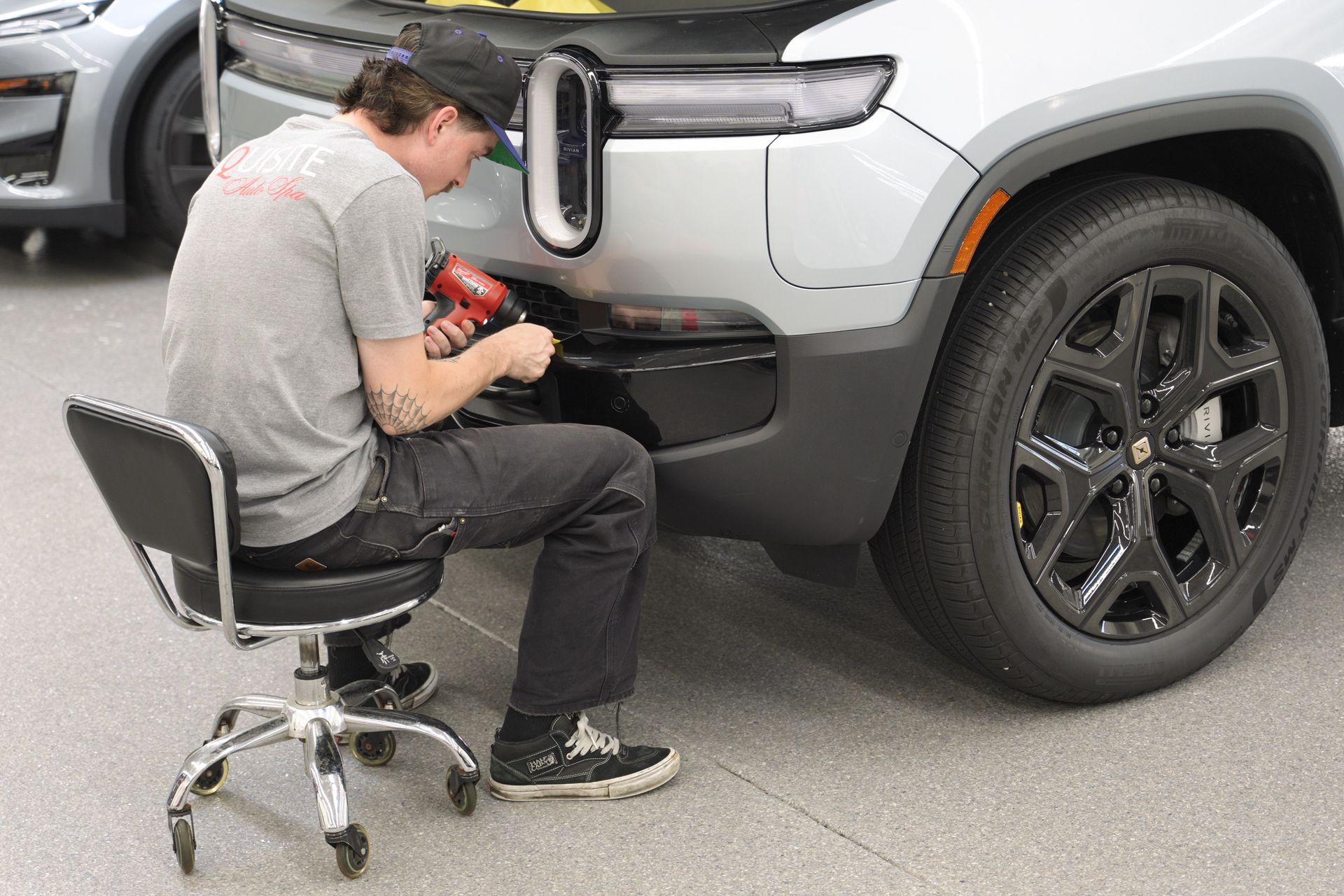
Person using a red power tool to repair the front bumper of a silver SUV while seated on a rolling chair.
By Detailers Roadmap SEO • October 30, 2026
Is your paint protection film scratched, peeling, or damaged? Learn when PPF needs repair or replacement. Contact Exquisite Auto Spa in Elm Grove, WI.
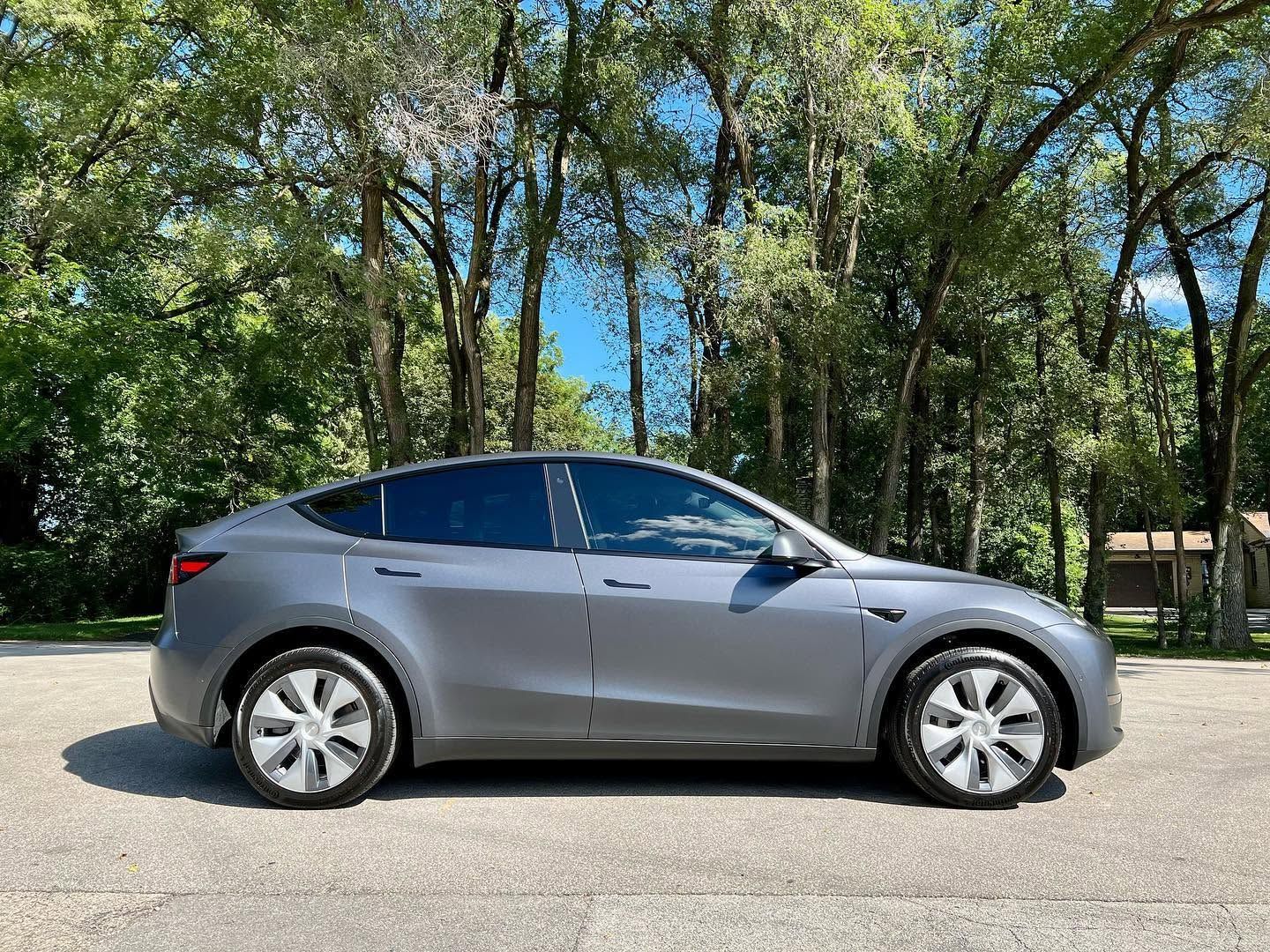
Silver Tesla sedan parked on a road with trees in the background
By Detailers Roadmap SEO • October 10, 2026
Protect your outdoor-parked vehicle with ceramic coating in Elm Grove, WI. Enjoy lasting gloss and easier maintenance. Call Exquisite Auto Spa to book today!
Split-screen: blue car paint under inspection and a man holding a paint color swatch.
August 18, 2026
Restore your car's finish with paint correction at Exquisite Auto Spa. Achieve a showroom-quality shine and protect your vehicle's appearance