Tips for Keeping Your Auto Ceramic Coating Clean in Brookfield, WI
Ceramic coating is a liquid polymer applied to a car's exterior. Unlike traditional waxes or sealants, ceramic coatings chemically bond with the car’s factory paint, creating a durable layer of protection. This coating shields the vehicle from environmental hazards like UV rays, bird droppings, acid rain, and road salt. It also provides a glossy, mirror-like finish, making your high-performance sports car look as good as new for longer.
It's no secret that the elements in Brookfield can take a toll on the exterior of your car. Maintaining the cleanliness of your car's ceramic coating is essential, not only to preserve its sleek, glossy appearance but also for the car's long-term durability. While waxing is one way to protect your car's end, ceramic coatings offer a more long-term solution. But even with the advanced technology of ceramic coatings, dirt, dust, and other particulates can build up on the surface, dulling its shine. To avoid this and ensure that your car looks as good as the day it left the lot, here are some tips to keep your auto ceramic coating clean in Brookfield.
Every surface must be completely dry before applying the ceramic coating. We use premium waffle-weave microfiber towels and compressed air to ensure that moisture is removed from every crevice, body line, and surface. Residual moisture can reduce ceramic coating effectiveness by up to 40%, making this step essential for a flawless application.
After washing, we employ a clay bar treatment to remove embedded impurities that regular washing cannot eliminate. This critical step can remove up to 90% of surface contaminants that would otherwise interfere with the ceramic coating bonding process. The clay bar works by lubricating the surface and gently pulling embedded particles that can create microscopic barriers to proper adhesion.
For vehicles with significant contamination—particularly those that haven’t been professionally detailed in months or years—we may employ additional decontamination methods, such as iron removal treatments that dissolve embedded metallic particles from brake dust and road debris.
3. Glare Reduction
5. Enhanced Appearance
Environmental Factors to Consider
When to Consider Reapplication or Professional Inspection

Resistance to Environmental Pollutants
Making sure your car is in top shape is essential before you apply a ceramic coating to it. This pre-coating maintenance plays a vital role in the longevity and effectiveness of the ceramic coating. Prior to applying the coating, remember to do the following crucial steps:
- 1. Completely Clean and Decontaminate: Start by giving your car a thorough wash with a microfiber wash mitt and a premium automotive shampoo, being sure to get rid of any dirt, grime, or contaminants from the exterior. Use a clay bar or a detailed clay to further remove embedded contaminants and provide a smooth surface for the ceramic coating to adhere to.
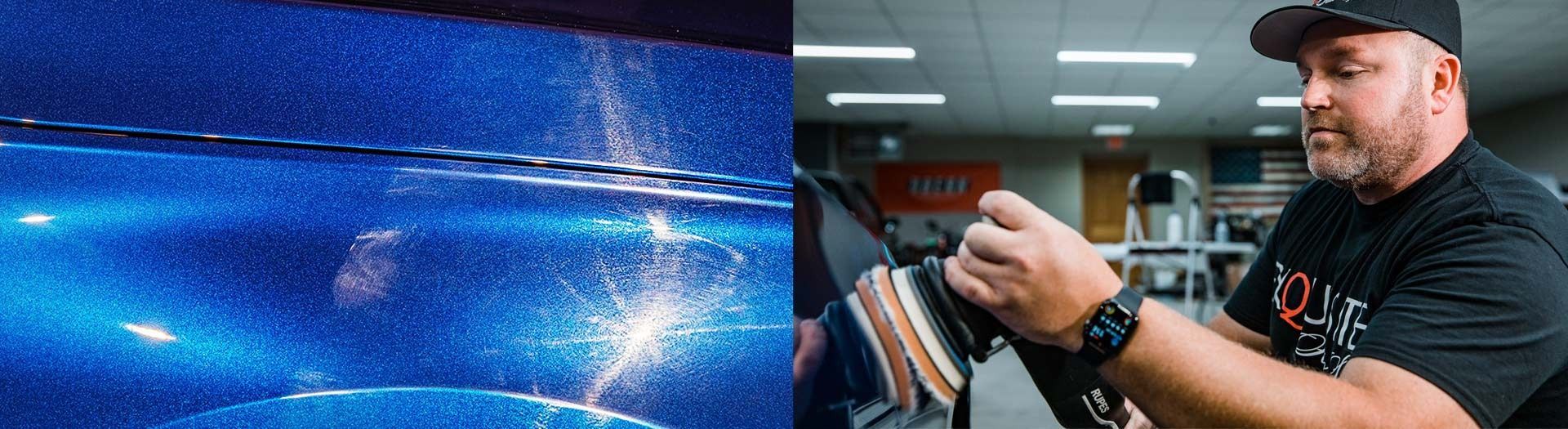
- 2. Paint Correction: Prior to applying the ceramic coating, paint correction should be done if your car has noticeable swirl marks or other flaws in the paint. This step involves using polishing compounds and specialized tools to restore the clarity and smoothness of the painted surface. A flawless painted finish enhances the overall appearance of your vehicle when protected by a ceramic coating.
- 3. Surface Preparation: Once your car is clean and corrected, it is essential to prepare the surface properly for optimum bonding with the ceramic coating. This step may involve using a panel wipe or a dedicated prep solution to remove any remaining oils, waxes, or residue from previous products. This ensures that the ceramic coating can adhere directly to the paintwork for maximum longevity and performance.
How to Clean Your Vehicle’s Ceramic Coating in Brookfield
Cleaning your vehicle’s ceramic coating in Brookfield is a process that requires patience and dedication to maximizing its performance. Auto-ceramic coatings are designed to provide protection as well as enhance the overall appearance of a vehicle, so it’s important to ensure the coating is adequately cared for. Here are a few tips for maintaining your auto ceramic coating:
- Make sure to rinse the entire surface of your car before applying any cleaning products. This may seem obvious, but it’s worth repeating: an unclean surface won’t receive a thorough cleanse or even color with a product designed specifically for auto ceramic coatings.
- Avoid using harsh chemicals or abrasive materials such as brushes when cleaning your auto ceramic coating. It’s best to use specialized cleaning products rather than generic household cleaners that may negatively affect the protective layer of your vehicle’s coating.
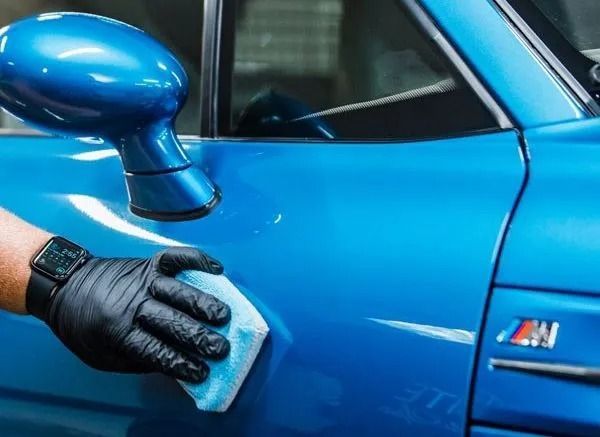
- When possible, use gentle cleaners such as microfiber cloths or special sponges for wiping away dirt and grime from your auto ceramic coating. These cleaning tools will allow you to safely remove dirt without scratching or otherwise damaging the paint on your vehicle.
- Don't forget to wax after washing! Waxing helps protect the durable exterior layer of your vehicle from extreme weather conditions and UV radiation. Not only does waxing improve the longevity of your vehicle’s ceramic coating, but it also helps maintain its shine for longer periods of time. If possible, look for waxes specifically designed for auto ceramic coatings that are guaranteed to provide maximum protection while enhancing the glossy look of your car’s paint.
By following these simple steps, you can keep your auto ceramic coating in Brookfield looking new!
Wash your vehicle with touchless maintenance techniques.
Washing your vehicle with touchless maintenance techniques can be a great way to protect the ceramic coating. The primary benefit of a touchless wash is that it helps to prevent swirl marks and scratches from impacting the coating's shiny new look. High-pressure water jets and typically made-specifically-for-use soaps and waxes are what make touchless washes possible.
The main argument in favor of touchless washing over traditional washing is that it reduces the risk of scratching and damage to the paintwork. This method also allows for faster cleaning, allowing you to complete more tasks in less time. Nonetheless, there are drawbacks to using this method. It can be difficult to get into crevices such as those around door handles or window trim, and therefore, it may require additional manual wiping with a cloth afterward. Furthermore, while touchless washes are often inexpensive, they are not always available, depending on your location.
Use chemical-free cleaners
Using chemical-free cleaners is one of the most important tips for keeping your auto ceramic coating clean in Brookfield. Chemicals found in certain car cleaners can strip away the coating, leaving it less protected than it was before. Limiting the use of these products and opting for a non-abrasive, chemical-free cleaner may be the best choice for your finishing. If you are concerned about dirt or residue, consider using a non-abrasive sponge to get rid of any stubborn particles.
Another option is to use natural alternatives such as:
- Baking soda - often used as a gentle agent that effectively lifts dirt without damaging the ceramic coating beneath it.
- Vinegar - It is also highly effective, and it can be diluted with water and applied via a spray bottle to achieve optimal results.
- Lemon juice - It is another more unpredictable approach that provides some shine but may leave underlying streaks.
Whichever path you go down, it's important to remember that while these methods save you time by reducing the need to scrub, they may not be as effective when removing deep-set debris or stubborn buildup. Therefore, it’s best to weigh up both options and decide what works out best for your individual case.
Every surface must be completely dry before applying the ceramic coating. We use premium waffle-weave microfiber towels and compressed air to ensure that moisture is removed from every crevice, body line, and surface. Residual moisture can reduce ceramic coating effectiveness by up to 40%, making this step essential for a flawless application.
After washing, we employ a clay bar treatment to remove embedded impurities that regular washing cannot eliminate. This critical step can remove up to 90% of surface contaminants that would otherwise interfere with the ceramic coating bonding process. The clay bar works by lubricating the surface and gently pulling embedded particles that can create microscopic barriers to proper adhesion.
For vehicles with significant contamination—particularly those that haven’t been professionally detailed in months or years—we may employ additional decontamination methods, such as iron removal treatments that dissolve embedded metallic particles from brake dust and road debris.
3. Glare Reduction
5. Enhanced Appearance
Environmental Factors to Consider
When to Consider Reapplication or Professional Inspection
Resistance to Environmental Pollutants
Making sure your car is in top shape is essential before you apply a ceramic coating to it. This pre-coating maintenance plays a vital role in the longevity and effectiveness of the ceramic coating. Prior to applying the coating, remember to do the following crucial steps:
- 1. Completely Clean and Decontaminate: Start by giving your car a thorough wash with a microfiber wash mitt and a premium automotive shampoo, being sure to get rid of any dirt, grime, or contaminants from the exterior. Use a clay bar or a detailed clay to further remove embedded contaminants and provide a smooth surface for the ceramic coating to adhere to.
- 2. Paint Correction: Prior to applying the ceramic coating, paint correction should be done if your car has noticeable swirl marks or other flaws in the paint. This step involves using polishing compounds and specialized tools to restore the clarity and smoothness of the painted surface. A flawless painted finish enhances the overall appearance of your vehicle when protected by a ceramic coating.
- 3. Surface Preparation: Once your car is clean and corrected, it is essential to prepare the surface properly for optimum bonding with the ceramic coating. This step may involve using a panel wipe or a dedicated prep solution to remove any remaining oils, waxes, or residue from previous products. This ensures that the ceramic coating can adhere directly to the paintwork for maximum longevity and performance.
Tips to Prevent Damage to the Ceramic Coating in Brookfield
Preventing damage to auto ceramic coating in Brookfield is essential due to the fact that such coatings are known to last up to five years if taken care of properly. The best way to ensure your ceramic coating remains intact and undamaged for its full lifespan is by taking preventive measures and causing no harm or damage to the car’s exterior. Here are a few tips to live by:
Avoiding Washing Mistakes
It's critical to avoid making any mistakes when washing your car, as this can cause irreparable damage to the ceramic coating. Use only approved products for such coatings, as well as soft microfiber towels. Additionally, it's important to use gentle motions when applying soap or wax and drying from the top down—not side-to-side—while avoiding circular buffing motions.
Park Wisely
It's important to park in a covered area in order to minimize sun exposure, which can in turn increase damage chances over time. Additionally, parking under trees near badly-behaving birds should be avoided, as droppings contain corrosive acids that could potentially damage your expensive ceramic coating.
Hose Pressure
Many people believe that higher pressure on hoses equals more dirt removal power, but this couldn't be further from the truth when it comes to ceramic coating protection. High pressure can easily chip away at the coating itself, so always make sure your hose has low-pressure settings, or simply wash it using water from a bucket and a sponge or soft cloth
Regular Maintenance
Regular upkeep will help keep your car’s ceramic coating looking its best for years on end without having to worry about chips or scratches that may occur over time. Performing regular inspections for any defects and keeping up with cleaning will help prevent any major issues from arising.
Remove Debris and Dirt Regularly
When it comes to keeping your auto ceramic coating clean in Brookfield, one of the most effective steps is to remove debris and dirt regularly. Because ceramic coatings are designed to repel dust, dirt, and other contaminants, it’s important to keep the surface free of any buildup as much as possible. Debris and dirt that can accumulate on the surface over time can compromise the performance of the coating and lead to premature wear and tear.
To prevent this, make sure to regularly inspect your vehicle for debris and dirt buildup. This includes checking around door panels, window gaskets, crevices, body panels, and wheels for any accumulations of dirt or dust. Additionally, you may want to use a vacuum attachment or soft-bristled brush regularly in order to suction up any debris or dirt that has made its way onto the vehicle surface. If you find that a specific area needs more attention than others, invest in some detailed products, such as clay bars or special cleaners made especially for ceramic coatings.
Vacuuming and manual scrubbing are effective ways of removing light dust and dirt from the ceramic coating; however, they will not be able to remove stubborn residues like bird droppings and tree sap. For these tougher types of contaminants, you should use a mild cleaner specifically made for automotive ceramic coatings. Make sure to read the directions thoroughly before using and take caution when applying so that you don’t damage the coating itself.
By following these simple steps, you will be able to keep your auto ceramic coating safe from damage in Brookfield without having to fear future degradation of the paintwork.
Every surface must be completely dry before applying the ceramic coating. We use premium waffle-weave microfiber towels and compressed air to ensure that moisture is removed from every crevice, body line, and surface. Residual moisture can reduce ceramic coating effectiveness by up to 40%, making this step essential for a flawless application.
After washing, we employ a clay bar treatment to remove embedded impurities that regular washing cannot eliminate. This critical step can remove up to 90% of surface contaminants that would otherwise interfere with the ceramic coating bonding process. The clay bar works by lubricating the surface and gently pulling embedded particles that can create microscopic barriers to proper adhesion.
For vehicles with significant contamination—particularly those that haven’t been professionally detailed in months or years—we may employ additional decontamination methods, such as iron removal treatments that dissolve embedded metallic particles from brake dust and road debris.
3. Glare Reduction
5. Enhanced Appearance
Environmental Factors to Consider
When to Consider Reapplication or Professional Inspection
Resistance to Environmental Pollutants
Making sure your car is in top shape is essential before you apply a ceramic coating to it. This pre-coating maintenance plays a vital role in the longevity and effectiveness of the ceramic coating. Prior to applying the coating, remember to do the following crucial steps:
- 1. Completely Clean and Decontaminate: Start by giving your car a thorough wash with a microfiber wash mitt and a premium automotive shampoo, being sure to get rid of any dirt, grime, or contaminants from the exterior. Use a clay bar or a detailed clay to further remove embedded contaminants and provide a smooth surface for the ceramic coating to adhere to.
- 2. Paint Correction: Prior to applying the ceramic coating, paint correction should be done if your car has noticeable swirl marks or other flaws in the paint. This step involves using polishing compounds and specialized tools to restore the clarity and smoothness of the painted surface. A flawless painted finish enhances the overall appearance of your vehicle when protected by a ceramic coating.
- 3. Surface Preparation: Once your car is clean and corrected, it is essential to prepare the surface properly for optimum bonding with the ceramic coating. This step may involve using a panel wipe or a dedicated prep solution to remove any remaining oils, waxes, or residue from previous products. This ensures that the ceramic coating can adhere directly to the paintwork for maximum longevity and performance.
Waxing Tips for Ceramic Coating
Waxing is sometimes recommended to enhance the shine and protect the ceramic coating on your car. When deciding whether or not to wax, both the advantages and disadvantages of waxing must be considered.
On the pro side, waxing can add gloss, extra protection, and longevity to your auto ceramic coating. Additionally, because it creates an additional layer of protection above the coating, it helps reduce oxidation and fading caused by sunlight exposure.
On the con side, some people said that waxing isn't necessary for most professional ceramic coatings; as long as you keep up with routine washing and drying, your coating should last for years without any loss of shine or protection. Others worry that waxing will cause dirt and grime to build up faster and leave a residue, which can actually dull the shine of your coating over time.
Ultimately, the decision to wax or not will depend on your specific situation and preferences. If you decide to go forward with waxing, make sure you use a quality product specifically designed for ceramic-coated vehicle surfaces.
Every surface must be completely dry before applying the ceramic coating. We use premium waffle-weave microfiber towels and compressed air to ensure that moisture is removed from every crevice, body line, and surface. Residual moisture can reduce ceramic coating effectiveness by up to 40%, making this step essential for a flawless application.
After washing, we employ a clay bar treatment to remove embedded impurities that regular washing cannot eliminate. This critical step can remove up to 90% of surface contaminants that would otherwise interfere with the ceramic coating bonding process. The clay bar works by lubricating the surface and gently pulling embedded particles that can create microscopic barriers to proper adhesion.
For vehicles with significant contamination—particularly those that haven’t been professionally detailed in months or years—we may employ additional decontamination methods, such as iron removal treatments that dissolve embedded metallic particles from brake dust and road debris.
3. Glare Reduction
5. Enhanced Appearance
Environmental Factors to Consider
When to Consider Reapplication or Professional Inspection
In addition to the seasonal maintenance tips outlined above, there are a few general practices you should follow year-round to keep your Paint Protection Film in top condition.
1. Hand Wash Your Vehicle: Automatic car washes can be too harsh for PPF, potentially causing damage or lifting the film. Instead, opt for hand washing using gentle techniques and products. Hand washing allows you to control the pressure and direction of the wash, reducing the risk of damaging the PPF.
2. Avoid Harsh Chemicals: On your paint protection film, avoid using harsh chemicals, such as strong detergents or solvents. To avoid damaging the film, stick to products specifically designed for PPF use. These products' formulation ensures effective cleaning without removing the protective layers that keep the film functioning.
3. Pay Attention to Parking: When possible, steer clear of areas where your vehicle may come into contact with industrial fallout. If you must park in such areas, consider using a car cover or investing in a regular detailing routine to keep the PPF in top shape.
4. Schedule Regular Inspections: Consider scheduling regular inspections with a professional to ensure that your paint protection film is in excellent condition. They can detect any potential issues early and recommend the best course of action. Regular inspections help in identifying areas that may need reapplication or repair, ensuring that your investment in PPF continues to protect your vehicle as intended.
5. Educate Yourself on PPF-Friendly Products: Not all car care products are suitable for use with PPF. Educate yourself on the best products to use for cleaning, waxing, and maintaining your vehicle to avoid inadvertently causing damage. Many manufacturers offer PPF-specific product lines that provide the best results while preserving the integrity of the film.
Cleaning Routine for Auto Ceramic Coating
When it comes to maintaining a clean auto ceramic coating in Brookfield, having an effective cleaning routine is essential. There are different methods that can be used to ensure the ceramic coating remains clean, such as washing and waxing the car on a regular basis. Car owners should decide what type of products to use and how regularly they will need to be applied. Car care professionals typically advise washing the car once or twice a month, but some people choose to do it every week. For example, using a high-pressure washer can help remove dirt and grit from the surface more efficiently than using traditional washing methods, like hand cleaning with a sponge and specialized car soap.
To determine when it is time to wax the car between washes and details, owners will have to look for signs of oxidation on the paint that appear as a powdery residue or chalky finish. If this is the case, then it’s time to apply a wax or sealant product with synthetic polymers that bond to the surface of the paint and create a protective layer that helps repel dirt, grime, and road debris. Applying wax or sealant every few months helps keep the ceramic coating looking new and shiny.
It is also important to consider other environmental factors that can damage auto ceramic coatings in Brookfield. Direct sunlight, extreme heat or cold temperatures, bird droppings, or sap can take their toll on even the strongest protective coatings over time. To prevent degradation due to these elements, make sure to park your vehicle in safe places such as indoor garages or areas protected by trees and parking covers. Regularly inspecting your vehicle for signs of decay, oxidation, rust, and peeling will help you catch any potential problems before they become too severe.
Every surface must be completely dry before applying the ceramic coating. We use premium waffle-weave microfiber towels and compressed air to ensure that moisture is removed from every crevice, body line, and surface. Residual moisture can reduce ceramic coating effectiveness by up to 40%, making this step essential for a flawless application.
After washing, we employ a clay bar treatment to remove embedded impurities that regular washing cannot eliminate. This critical step can remove up to 90% of surface contaminants that would otherwise interfere with the ceramic coating bonding process. The clay bar works by lubricating the surface and gently pulling embedded particles that can create microscopic barriers to proper adhesion.
For vehicles with significant contamination—particularly those that haven’t been professionally detailed in months or years—we may employ additional decontamination methods, such as iron removal treatments that dissolve embedded metallic particles from brake dust and road debris.
3. Glare Reduction
5. Enhanced Appearance
Environmental Factors to Consider
When to Consider Reapplication or Professional Inspection
In addition to the seasonal maintenance tips outlined above, there are a few general practices you should follow year-round to keep your Paint Protection Film in top condition.
1. Hand Wash Your Vehicle: Automatic car washes can be too harsh for PPF, potentially causing damage or lifting the film. Instead, opt for hand washing using gentle techniques and products. Hand washing allows you to control the pressure and direction of the wash, reducing the risk of damaging the PPF.
2. Avoid Harsh Chemicals: On your paint protection film, avoid using harsh chemicals, such as strong detergents or solvents. To avoid damaging the film, stick to products specifically designed for PPF use. These products' formulation ensures effective cleaning without removing the protective layers that keep the film functioning.
3. Pay Attention to Parking: When possible, steer clear of areas where your vehicle may come into contact with industrial fallout. If you must park in such areas, consider using a car cover or investing in a regular detailing routine to keep the PPF in top shape.
4. Schedule Regular Inspections: Consider scheduling regular inspections with a professional to ensure that your paint protection film is in excellent condition. They can detect any potential issues early and recommend the best course of action. Regular inspections help in identifying areas that may need reapplication or repair, ensuring that your investment in PPF continues to protect your vehicle as intended.
5. Educate Yourself on PPF-Friendly Products: Not all car care products are suitable for use with PPF. Educate yourself on the best products to use for cleaning, waxing, and maintaining your vehicle to avoid inadvertently causing damage. Many manufacturers offer PPF-specific product lines that provide the best results while preserving the integrity of the film.
Book Exquisite Auto Spa for auto ceramic coating services in Brookfield!
Get the ultimate protection for your vehicle's paint with our auto ceramic coating services! At Exquisite Auto Spa, we use cutting-edge technology and methods to provide a finish that will keep your vehicle looking brand new for years to come. Don't wait any longer to protect your investment; schedule your ceramic coating appointment today.