Every surface must be completely dry before applying the ceramic coating. We use premium waffle-weave microfiber towels and compressed air to ensure that moisture is removed from every crevice, body line, and surface. Residual moisture can reduce ceramic coating effectiveness by up to 40%, making this step essential for a flawless application.
After washing, we employ a clay bar treatment to remove embedded impurities that regular washing cannot eliminate. This critical step can remove up to 90% of surface contaminants that would otherwise interfere with the ceramic coating bonding process. The clay bar works by lubricating the surface and gently pulling embedded particles that can create microscopic barriers to proper adhesion.
For vehicles with significant contamination—particularly those that haven’t been professionally detailed in months or years—we may employ additional decontamination methods, such as iron removal treatments that dissolve embedded metallic particles from brake dust and road debris.
3. Glare Reduction
5. Enhanced Appearance
Environmental Factors to Consider
When to Consider Reapplication or Professional Inspection

Resistance to Environmental Pollutants
Making sure your car is in top shape is essential before you apply a ceramic coating to it. This pre-coating maintenance plays a vital role in the longevity and effectiveness of the ceramic coating. Prior to applying the coating, remember to do the following crucial steps:
- 1. Completely Clean and Decontaminate: Start by giving your car a thorough wash with a microfiber wash mitt and a premium automotive shampoo, being sure to get rid of any dirt, grime, or contaminants from the exterior. Use a clay bar or a detailed clay to further remove embedded contaminants and provide a smooth surface for the ceramic coating to adhere to.
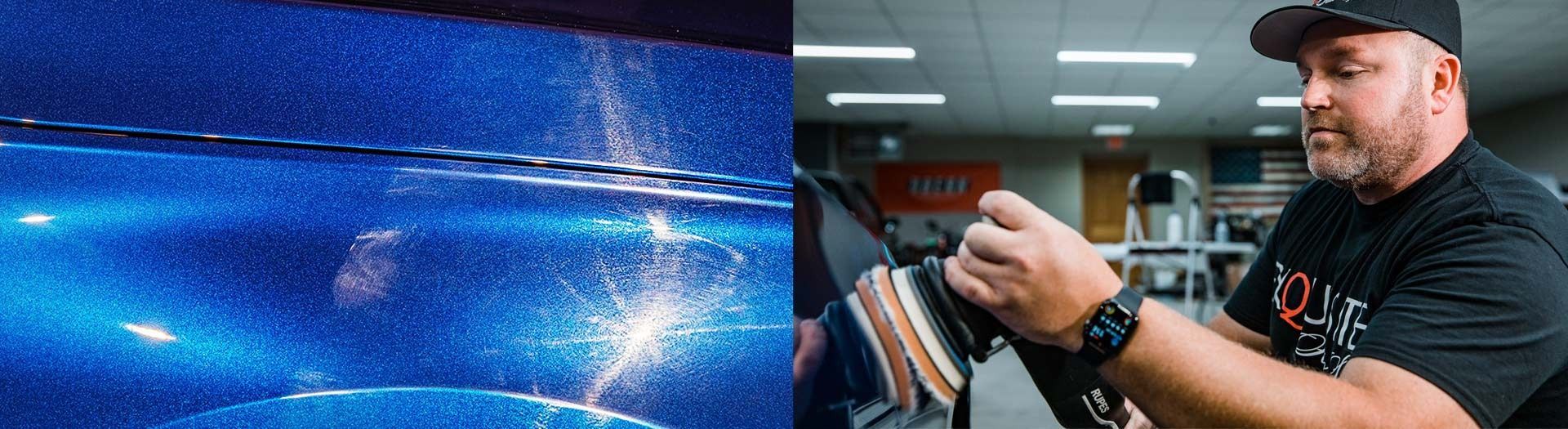
- 2. Paint Correction: Prior to applying the ceramic coating, paint correction should be done if your car has noticeable swirl marks or other flaws in the paint. This step involves using polishing compounds and specialized tools to restore the clarity and smoothness of the painted surface. A flawless painted finish enhances the overall appearance of your vehicle when protected by a ceramic coating.
- 3. Surface Preparation: Once your car is clean and corrected, it is essential to prepare the surface properly for optimum bonding with the ceramic coating. This step may involve using a panel wipe or a dedicated prep solution to remove any remaining oils, waxes, or residue from previous products. This ensures that the ceramic coating can adhere directly to the paintwork for maximum longevity and performance.
7.Incorrect Application Technique and Procedure
Failure to strip surfaces prior to coating is a common mistake when applying ceramic coatings. This can lead to a decrease in coating adhesion and durability as well as an increase in the risk of blistering, fish-scaling, or delamination.
Prior to applying a ceramic coating, it is important to properly strip the surface that will be coated. Stripping the surface allows for any dirt, contaminants, and oxidation to be removed from the surface and helps ensure that the coating adheres correctly. The debate between whether stripping surfaces is necessary prior to ceramic coating can be seen as having both sides bringing up valid points.
Chemical stripping may damage the surface due to the aggressive chemicals used during the process, and aggressive processes such as sandblasting can also cause damage. Failure to strip surfaces, on the other hand, can leave dirt, debris, and oxidation on the surface, resulting in decreased coating adhesion, decreased durability, and an increase in blistering or delamination of coatings.
For this reason, most professionals agree that chemical stripping or light abrasive blasting (depending on the severity of contamination) needs to be done prior to applying any type of ceramic coating. Chemical strippers are best used on surfaces with light corrosion or oxidation, while abrasive blasting is best used on more heavily oxidized surfaces.
Although there may be some risk associated with either type of stripping process, it should still be carried out for the best results when applying ceramic coatings. The use of high-quality tools and protective gear can help reduce any potential risks associated with these processes.
Every surface must be completely dry before applying the ceramic coating. We use premium waffle-weave microfiber towels and compressed air to ensure that moisture is removed from every crevice, body line, and surface. Residual moisture can reduce ceramic coating effectiveness by up to 40%, making this step essential for a flawless application.
After washing, we employ a clay bar treatment to remove embedded impurities that regular washing cannot eliminate. This critical step can remove up to 90% of surface contaminants that would otherwise interfere with the ceramic coating bonding process. The clay bar works by lubricating the surface and gently pulling embedded particles that can create microscopic barriers to proper adhesion.
For vehicles with significant contamination—particularly those that haven’t been professionally detailed in months or years—we may employ additional decontamination methods, such as iron removal treatments that dissolve embedded metallic particles from brake dust and road debris.
3. Glare Reduction
5. Enhanced Appearance
Environmental Factors to Consider
When to Consider Reapplication or Professional Inspection
Resistance to Environmental Pollutants
Making sure your car is in top shape is essential before you apply a ceramic coating to it. This pre-coating maintenance plays a vital role in the longevity and effectiveness of the ceramic coating. Prior to applying the coating, remember to do the following crucial steps:
- 1. Completely Clean and Decontaminate: Start by giving your car a thorough wash with a microfiber wash mitt and a premium automotive shampoo, being sure to get rid of any dirt, grime, or contaminants from the exterior. Use a clay bar or a detailed clay to further remove embedded contaminants and provide a smooth surface for the ceramic coating to adhere to.
- 2. Paint Correction: Prior to applying the ceramic coating, paint correction should be done if your car has noticeable swirl marks or other flaws in the paint. This step involves using polishing compounds and specialized tools to restore the clarity and smoothness of the painted surface. A flawless painted finish enhances the overall appearance of your vehicle when protected by a ceramic coating.
- 3. Surface Preparation: Once your car is clean and corrected, it is essential to prepare the surface properly for optimum bonding with the ceramic coating. This step may involve using a panel wipe or a dedicated prep solution to remove any remaining oils, waxes, or residue from previous products. This ensures that the ceramic coating can adhere directly to the paintwork for maximum longevity and performance.
7.Incorrect Application Technique and Procedure
Failure to strip surfaces prior to coating is a common mistake when applying ceramic coatings. This can lead to a decrease in coating adhesion and durability as well as an increase in the risk of blistering, fish-scaling, or delamination.
Prior to applying a ceramic coating, it is important to properly strip the surface that will be coated. Stripping the surface allows for any dirt, contaminants, and oxidation to be removed from the surface and helps ensure that the coating adheres correctly. The debate between whether stripping surfaces is necessary prior to ceramic coating can be seen as having both sides bringing up valid points.
Chemical stripping may damage the surface due to the aggressive chemicals used during the process, and aggressive processes such as sandblasting can also cause damage. Failure to strip surfaces, on the other hand, can leave dirt, debris, and oxidation on the surface, resulting in decreased coating adhesion, decreased durability, and an increase in blistering or delamination of coatings.
For this reason, most professionals agree that chemical stripping or light abrasive blasting (depending on the severity of contamination) needs to be done prior to applying any type of ceramic coating. Chemical strippers are best used on surfaces with light corrosion or oxidation, while abrasive blasting is best used on more heavily oxidized surfaces.
Although there may be some risk associated with either type of stripping process, it should still be carried out for the best results when applying ceramic coatings. The use of high-quality tools and protective gear can help reduce any potential risks associated with these processes.