The PPF Application Process: What Elm Grove Car Owners Should Know
Ceramic coating is a liquid polymer applied to a car's exterior. Unlike traditional waxes or sealants, ceramic coatings chemically bond with the car’s factory paint, creating a durable layer of protection. This coating shields the vehicle from environmental hazards like UV rays, bird droppings, acid rain, and road salt. It also provides a glossy, mirror-like finish, making your high-performance sports car look as good as new for longer.
Protecting your car's paintwork is essential for maintaining its aesthetic appeal and resale value, especially in a place like Elm Grove, where the weather can be unpredictable. One of the most effective ways to safeguard your vehicle's exterior is through a paint protection film (PPF) application. In this blog, we'll delve into the PPF application process, providing Elm Grove car owners with valuable insights into what to expect when opting for this premium protective solution.
Every surface must be completely dry before applying the ceramic coating. We use premium waffle-weave microfiber towels and compressed air to ensure that moisture is removed from every crevice, body line, and surface. Residual moisture can reduce ceramic coating effectiveness by up to 40%, making this step essential for a flawless application.
After washing, we employ a clay bar treatment to remove embedded impurities that regular washing cannot eliminate. This critical step can remove up to 90% of surface contaminants that would otherwise interfere with the ceramic coating bonding process. The clay bar works by lubricating the surface and gently pulling embedded particles that can create microscopic barriers to proper adhesion.
For vehicles with significant contamination—particularly those that haven’t been professionally detailed in months or years—we may employ additional decontamination methods, such as iron removal treatments that dissolve embedded metallic particles from brake dust and road debris.
3. Glare Reduction
5. Enhanced Appearance
Environmental Factors to Consider
When to Consider Reapplication or Professional Inspection

Resistance to Environmental Pollutants
PPF Application Process for Elm Grove Car Owners
Ceramic coating offers more than just a shiny, polished appearance to your car. It's akin to a shield that guards your vehicle against various environmental hazards and daily wear and tear. There are practical benefits that accompany this protective layer.
Ceramic coating significantly extends the lifespan of your car's paint. This durable layer acts as a barrier against environmental elements, resisting UV rays, bird droppings, tree sap, or insect residue. With this layer in place, your car’s paintwork remains vibrant and intact for much longer than it would without it. The reduction in paint fading due to UV exposure can reach an impressive 90%. This not only maintains the pristine appearance of your car but also contributes to its long-term value. Investing in ceramic coating can lead to cost savings over time by preventing potentially expensive repairs like chips.
While ceramic coatings provide enhanced protection for car paint and last longer than sealants or waxes, they are still susceptible to swirl marks and can lose their hydrophilic (water-repelling) properties over time. Additionally, the initial cost of installing a ceramic coating can be quite high, often around $1,000 or more. In contrast, a clear coat is also susceptible to swirl marks but can be maintained through polishing and resealing throughout the life of the car at a fraction of the cost of ceramic coatings.
Every surface must be completely dry before applying the ceramic coating. We use premium waffle-weave microfiber towels and compressed air to ensure that moisture is removed from every crevice, body line, and surface. Residual moisture can reduce ceramic coating effectiveness by up to 40%, making this step essential for a flawless application.
After washing, we employ a clay bar treatment to remove embedded impurities that regular washing cannot eliminate. This critical step can remove up to 90% of surface contaminants that would otherwise interfere with the ceramic coating bonding process. The clay bar works by lubricating the surface and gently pulling embedded particles that can create microscopic barriers to proper adhesion.
For vehicles with significant contamination—particularly those that haven’t been professionally detailed in months or years—we may employ additional decontamination methods, such as iron removal treatments that dissolve embedded metallic particles from brake dust and road debris.
3. Glare Reduction
5. Enhanced Appearance
Environmental Factors to Consider
When to Consider Reapplication or Professional Inspection
The two-bucket method is a tried-and-tested way to prevent scratching the paint protection film. One bucket is filled with soapy water for washing, while the other contains clean water for rinsing the dirt off your wash mitt. This method ensures that the dirt you remove from your vehicle doesn't end up back on your mitt, potentially causing swirls or scratches on the film.
Rinsing Process
Rinse the PPF thoroughly after applying the cleaning solution to remove all soap residue. Take your time with this step, as any leftover residue can impact the appearance and potentially compromise the film's protection.
Drying Process
Benefits of PPF Protection for Vehicles
Paint Protection Film (PPF) shields your vehicle from stone chips, scratches, and other damage that could easily occur during everyday driving. Imagine a force field around your car, except it's clear, thin, and nearly invisible.
But what truly makes PPF stand out is how it maintains the appearance of your vehicle. By forming an extra layer over the original paint, PPF retains that glossy finish and shimmering color, preventing any alterations from minor scrapes or chips. This means that when you decide to sell or trade in your car, its pristine look can fetch a much better price.
Moreover, constant touch-ups and repainting can be quite a hassle, not to mention expensive. PPF significantly reduces the need for frequent repainting or touch-ups by absorbing and deflecting the force of impacts. This means spending less time and money repairing cosmetic damage from scratches or road debris.
In essence, the value of PPF protection extends beyond preserving the outward appearance of your car. It acts as an invisible guardian, shielding the surface from potential harm while also reducing the long-term costs associated with cosmetic upkeep and repairs.
Elaborating on the significance of PPF protection offers a glimpse into the comprehensive care needed to safeguard your vehicle from various elements. Next, let's examine the criteria that determine eligibility for a PPF application.
Every surface must be completely dry before applying the ceramic coating. We use premium waffle-weave microfiber towels and compressed air to ensure that moisture is removed from every crevice, body line, and surface. Residual moisture can reduce ceramic coating effectiveness by up to 40%, making this step essential for a flawless application.
After washing, we employ a clay bar treatment to remove embedded impurities that regular washing cannot eliminate. This critical step can remove up to 90% of surface contaminants that would otherwise interfere with the ceramic coating bonding process. The clay bar works by lubricating the surface and gently pulling embedded particles that can create microscopic barriers to proper adhesion.
For vehicles with significant contamination—particularly those that haven’t been professionally detailed in months or years—we may employ additional decontamination methods, such as iron removal treatments that dissolve embedded metallic particles from brake dust and road debris.
3. Glare Reduction
5. Enhanced Appearance
Environmental Factors to Consider
When to Consider Reapplication or Professional Inspection
In addition to the seasonal maintenance tips outlined above, there are a few general practices you should follow year-round to keep your Paint Protection Film in top condition.
1. Hand Wash Your Vehicle: Automatic car washes can be too harsh for PPF, potentially causing damage or lifting the film. Instead, opt for hand washing using gentle techniques and products. Hand washing allows you to control the pressure and direction of the wash, reducing the risk of damaging the PPF.
2. Avoid Harsh Chemicals: On your paint protection film, avoid using harsh chemicals, such as strong detergents or solvents. To avoid damaging the film, stick to products specifically designed for PPF use. These products' formulation ensures effective cleaning without removing the protective layers that keep the film functioning.
3. Pay Attention to Parking: When possible, steer clear of areas where your vehicle may come into contact with industrial fallout. If you must park in such areas, consider using a car cover or investing in a regular detailing routine to keep the PPF in top shape.
4. Schedule Regular Inspections: Consider scheduling regular inspections with a professional to ensure that your paint protection film is in excellent condition. They can detect any potential issues early and recommend the best course of action. Regular inspections help in identifying areas that may need reapplication or repair, ensuring that your investment in PPF continues to protect your vehicle as intended.
5. Educate Yourself on PPF-Friendly Products: Not all car care products are suitable for use with PPF. Educate yourself on the best products to use for cleaning, waxing, and maintaining your vehicle to avoid inadvertently causing damage. Many manufacturers offer PPF-specific product lines that provide the best results while preserving the integrity of the film.
The durability of a ceramic coating directly impacts how well it protects your car's paint in the long run. Look for reputable brands known for their long-lasting and robust ceramic coatings. Tested and proven, these brands withstand the elements and offer dependable protection. Choosing a durable ceramic coating means better resistance to environmental contaminants such as bird droppings, tree sap, and road grime. You can be confident that a durable coating will shield your car's paint from everyday wear and tear, keeping it looking pristine for longer periods of time.
Eligibility for the PPF Application
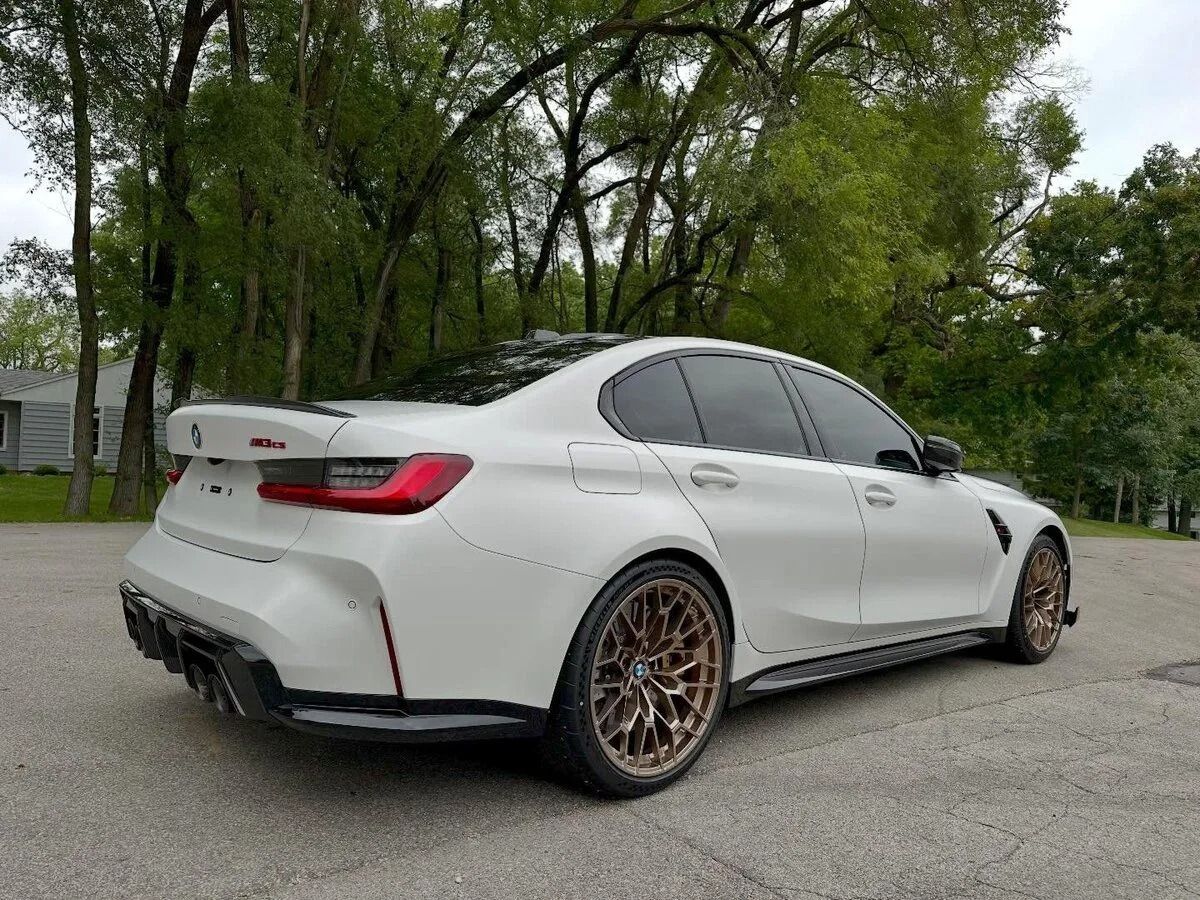
Living in Elm Grove and owning a car puts you in a prime position to benefit from PPF protection. Whether you have a sedan, SUV, truck, or high-performance sports car, PPF is suitable for all vehicle types and models. This means every vehicle owner has the opportunity to protect their investment and maintain their vehicle's pristine appearance.
One of the main criteria for eligibility is being a vehicle owner who prioritizes preserving the condition of their car. If this resonates with you, then PPF is an option worth considering. Whether you use your vehicle daily for commuting or keep it stored as part of a cherished collection, PPF can offer value by safeguarding your vehicle's exterior from various environmental factors.
It's important to stress that the eligibility for the PPF application extends to individuals who recognize the long-term benefits of protecting their vehicles against potential damage from road debris, scratches, harsh weather conditions, and other hazards that can impact aesthetics and value. In essence, the eligibility criterion for applying for PPF hinges on the desire to maintain your vehicle in top condition.
In summary, no matter what type of vehicle you own or how frequently you use it, if maintaining its condition is a priority for you, then you are eligible to apply for PPF protection. Understanding and commitment to preserving your investment in your car are at the core of PPF eligibility.
Understanding the criteria for PPF protection eligibility allows Elm Grove car owners to leverage this beneficial application process.
Safety Preparations and Restricted Parts
When preparing your vehicle for PPF application, it's vital to ensure that the surface is meticulously clean. Any dirt, wax, or other surface contaminants can affect the film's adhesion, leading to an uneven or imperfect application.
To achieve this, it's crucial to thoroughly wash the vehicle and remove any residual dirt or wax. After washing, a high-quality detailing clay can be used to eliminate stubborn contaminants such as tar and tree sap from the surface before the PPF application. This meticulous process not only guarantees the best possible adhesion but also ensures a flawless finish after the film is applied.
It's important to note that PPF cannot be applied to non-painted surfaces or rubberized parts, such as convertible tops. This is because PPF requires a smooth and paintable surface to adhere properly. Trying to apply PPF to non-painted or rubberized areas could lead to an improper bond, causing the film to peel over time. Therefore, prior inspection of the vehicle's surface is crucial to identifying any areas where PPF cannot be applied.
Understanding these restrictions helps in managing expectations during the application process. It ensures that Elm Grove car owners are aware of which parts of their vehicle can benefit from PPF application and which parts are better left untreated.
By understanding these safety preparations and restricted parts, Elm Grove car owners can ensure that their vehicles receive proper care and attention during the PPF application process, resulting in a professional and long-lasting finish.
By having a good grasp on the safety protocols associated with the PPF application process, Elm Grove car owners can now shift their focus to assembling the required documentation essential for a seamless PPF application experience.
Every surface must be completely dry before applying the ceramic coating. We use premium waffle-weave microfiber towels and compressed air to ensure that moisture is removed from every crevice, body line, and surface. Residual moisture can reduce ceramic coating effectiveness by up to 40%, making this step essential for a flawless application.
After washing, we employ a clay bar treatment to remove embedded impurities that regular washing cannot eliminate. This critical step can remove up to 90% of surface contaminants that would otherwise interfere with the ceramic coating bonding process. The clay bar works by lubricating the surface and gently pulling embedded particles that can create microscopic barriers to proper adhesion.
For vehicles with significant contamination—particularly those that haven’t been professionally detailed in months or years—we may employ additional decontamination methods, such as iron removal treatments that dissolve embedded metallic particles from brake dust and road debris.
3. Glare Reduction
5. Enhanced Appearance
Environmental Factors to Consider
When to Consider Reapplication or Professional Inspection
In addition to the seasonal maintenance tips outlined above, there are a few general practices you should follow year-round to keep your Paint Protection Film in top condition.
1. Hand Wash Your Vehicle: Automatic car washes can be too harsh for PPF, potentially causing damage or lifting the film. Instead, opt for hand washing using gentle techniques and products. Hand washing allows you to control the pressure and direction of the wash, reducing the risk of damaging the PPF.
2. Avoid Harsh Chemicals: On your paint protection film, avoid using harsh chemicals, such as strong detergents or solvents. To avoid damaging the film, stick to products specifically designed for PPF use. These products' formulation ensures effective cleaning without removing the protective layers that keep the film functioning.
3. Pay Attention to Parking: When possible, steer clear of areas where your vehicle may come into contact with industrial fallout. If you must park in such areas, consider using a car cover or investing in a regular detailing routine to keep the PPF in top shape.
4. Schedule Regular Inspections: Consider scheduling regular inspections with a professional to ensure that your paint protection film is in excellent condition. They can detect any potential issues early and recommend the best course of action. Regular inspections help in identifying areas that may need reapplication or repair, ensuring that your investment in PPF continues to protect your vehicle as intended.
5. Educate Yourself on PPF-Friendly Products: Not all car care products are suitable for use with PPF. Educate yourself on the best products to use for cleaning, waxing, and maintaining your vehicle to avoid inadvertently causing damage. Many manufacturers offer PPF-specific product lines that provide the best results while preserving the integrity of the film.
When the molecular structure of these coatings bonds to your car's surface, it creates a depth and shine that make the paintwork really pop. The glossy effect helps your car look brand new even after years of use. This automobile is so brand-new that it appears to have just been removed from the showroom. Additionally, the smoothness resulting from the application doesn't just look glamorous; it contributes to less drag when your car is in motion—all because of this amazing coating. It's like getting an invisible upgrade!
Required Documentation for the PPF Application
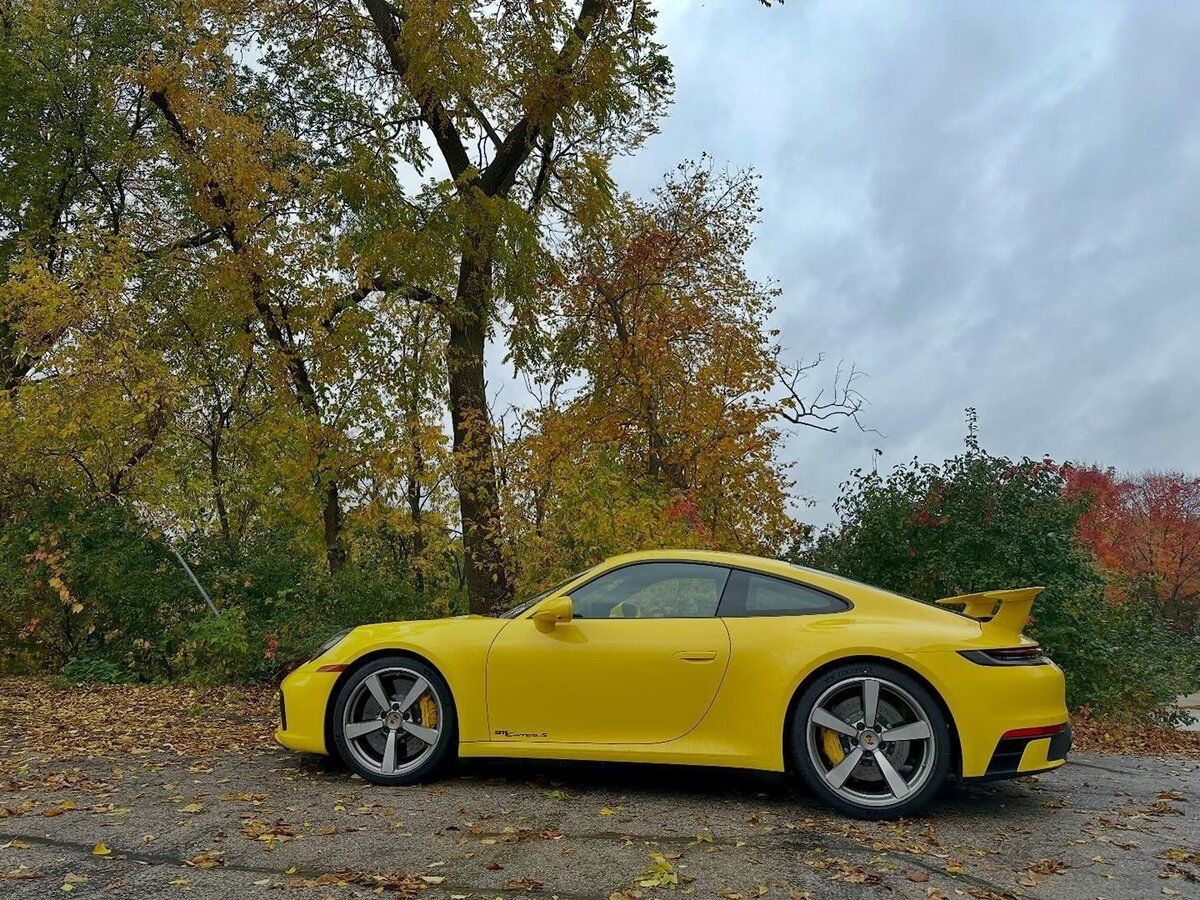
When it comes to getting paint protection film (PPF) applied to your vehicle, having the right documents is crucial. Most applicators will ask for certain paperwork to make sure everything is in order before they start working on your car.
The most important documents you'll need are:
- Vehicle registration documents: These are proofs that your car is registered with the Elm Grove authorities. It's important for applicators to know that they are working on a legally registered vehicle.
- Proof of Insurance: This document shows that your car is insured, which is important in case of any unforeseen events during the application process.
- Identification: Your identification verifies who you are and your connection to the vehicle. It's used for record-keeping and ensures that the person authorizing the application is legally entitled to do so.
It's important to ensure that these documents are valid and up-to-date as per local regulations. Ensure that you have these documents ready when you plan to get PPF applied to your vehicle. Whether it's a registration form or an insurance certificate, every piece of paper plays a crucial role in streamlining the PPF application process. So, it's a good idea to stay organized and keep these papers handy. Having all your documentation in order not only ensures a smooth application process but also demonstrates that you're a responsible vehicle owner, committed to maintaining your car properly.
Every surface must be completely dry before applying the ceramic coating. We use premium waffle-weave microfiber towels and compressed air to ensure that moisture is removed from every crevice, body line, and surface. Residual moisture can reduce ceramic coating effectiveness by up to 40%, making this step essential for a flawless application.
After washing, we employ a clay bar treatment to remove embedded impurities that regular washing cannot eliminate. This critical step can remove up to 90% of surface contaminants that would otherwise interfere with the ceramic coating bonding process. The clay bar works by lubricating the surface and gently pulling embedded particles that can create microscopic barriers to proper adhesion.
For vehicles with significant contamination—particularly those that haven’t been professionally detailed in months or years—we may employ additional decontamination methods, such as iron removal treatments that dissolve embedded metallic particles from brake dust and road debris.
3. Glare Reduction
5. Enhanced Appearance
Environmental Factors to Consider
When to Consider Reapplication or Professional Inspection
Understanding Insurance and Coverage Policies
When it comes to understanding coverage policies for paint protection film (PPF) installation, it's worth delving into the details. Many car owners might not be aware that their comprehensive auto insurance policy can potentially extend coverage to PPF applications.
Typically, comprehensive insurance provides coverage for damages beyond collisions, such as theft, vandalism, and acts of nature. However, policies and coverage options can vary widely between insurance providers. Elm Grove car owners should carefully examine their policy documents to ascertain whether their PPF application is covered under their comprehensive insurance plan.
For instance, some insurance companies have specific riders or endorsements that explicitly cover aftermarket vehicle modifications, which may include PPF installation. On the other hand, certain insurers may require an additional premium to extend coverage to PPF applications.
Moreover, it's essential to pay attention to the deductibles associated with PPF coverage. While some insurers might offer full coverage for PPF installation without deductibles, others may mandate a deductible amount, which is the portion of an insurance claim that the insured individual must pay out of pocket before the insurer pays the rest. Understanding the deductible terms is crucial for car owners seeking to leverage insurance benefits for PPF applications.
Consider your insurance policy as a shield that protects your vehicle. Just like how different shields offer different extents of protection in battle, different insurance policies offer varying degrees of coverage.
Therefore, reviewing and clarifying PPF coverage under your comprehensive auto insurance policy is a vital step in maximizing protection for your vehicle's appearance and ensuring financial peace of mind in case of any eventualities.
Having clarified the importance of understanding insurance and coverage policies for PPF installation, let's now move on to unraveling the step-by-step guidance required for the seamless application of paint protection film.
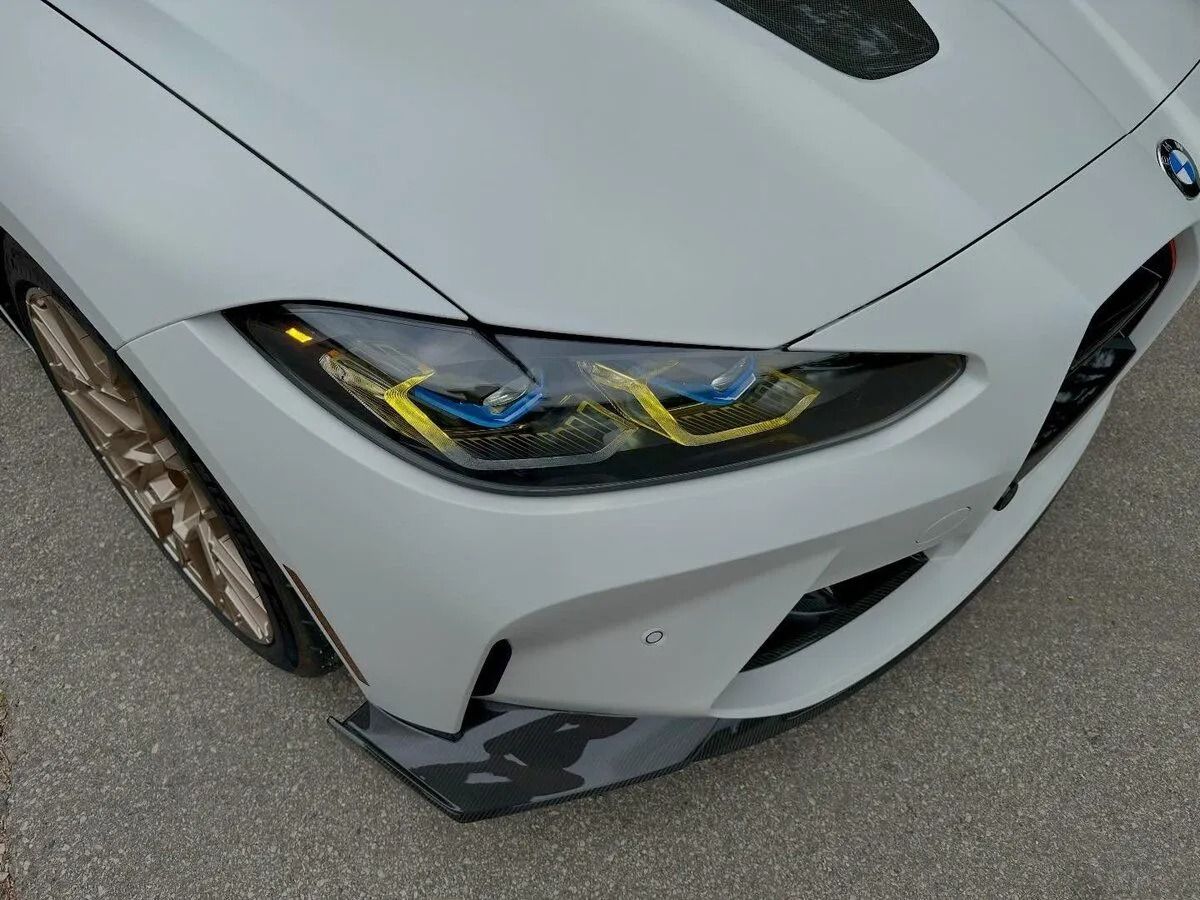
Exquisite Auto Spa distinguishes itself as the leading provider of ceramic coating services due to its use of high-quality accessories and tools during the application process. Their skilled technicians apply each coat for maximum effectiveness and visual appeal.
- Certified experts with a wealth of experience in the application of ceramic coatings comprise our team. To guarantee superior outcomes, we consistently keep our knowledge up-to-date with the latest advancements in techniques and products.
- Premium Products: We carefully choose superior ceramic coatings that have undergone extensive testing and have proven to provide enduring protection and a remarkable finish. Our selections prioritize durability and performance.
- Exquisite Auto Spa dedicates itself to a meticulous approach throughout each phase of the ceramic coating procedure. From the initial preparation to the concluding evaluation, we ensure thorough attention to every detail.
- Customer-focused strategy: We place a high emphasis on customer satisfaction by collaborating intimately with our clients to grasp their needs and preferences. Our goal is to exceed expectations and provide outcomes that improve both the aesthetics and protection of your vehicle.
- Ease of Use: We provide various scheduling choices and a selection of packages designed to meet diverse needs and budgets. Our goal is to ensure that the ceramic coating process is straightforward and stress-free.
- Continuous Assistance: Our commitment to our clients goes beyond just the initial application. We provide maintenance plans and regular inspections to guarantee that your ceramic coating remains in top condition.
Choosing ceramic coating offers several benefits for individuals aiming to improve and safeguard their vehicles. The variety of advantages—such as durable protection, a better aesthetic, and simple upkeep—clearly explains why numerous car owners are opting for this innovative option. Keeping your vehicle’s exterior in excellent condition and saving money over time is possible. Applying a ceramic polish can greatly enhance both the longevity and aesthetic appeal of your vehicle. Rapid sprays can assist in preserving that newly coated appearance.
Selecting a certified specialist is crucial for obtaining optimal results in ceramic coating services. Exquisite Auto Spa stands out as the premier choice, delivering outstanding ceramic coating through the expertise of their skilled professionals, high-quality products, advanced tools, and superior customer service. We employ specialized sprays to enhance the ceramic coating, ensuring your vehicle maintains its optimal appearance.
Want to provide your car with unparalleled protection and a dazzling shine? Book your appointment with Exquisite Auto Spa today for expert ceramic coating service. With our state-of-the-art ceramic and wax treatments, we can maintain your vehicle's pristine condition and safeguard it for years to come.
Every surface must be completely dry before applying the ceramic coating. We use premium waffle-weave microfiber towels and compressed air to ensure that moisture is removed from every crevice, body line, and surface. Residual moisture can reduce ceramic coating effectiveness by up to 40%, making this step essential for a flawless application.
After washing, we employ a clay bar treatment to remove embedded impurities that regular washing cannot eliminate. This critical step can remove up to 90% of surface contaminants that would otherwise interfere with the ceramic coating bonding process. The clay bar works by lubricating the surface and gently pulling embedded particles that can create microscopic barriers to proper adhesion.
For vehicles with significant contamination—particularly those that haven’t been professionally detailed in months or years—we may employ additional decontamination methods, such as iron removal treatments that dissolve embedded metallic particles from brake dust and road debris.
3. Glare Reduction
5. Enhanced Appearance
Environmental Factors to Consider
When to Consider Reapplication or Professional Inspection
Step-by-Step PPF Application Guidance
So, you've decided to protect your car with paint protection film (PPF). We're going to guide you through each step of the application process so you can ensure proper installation and maximum protection for your vehicle.
Preparation Process
Before applying the PPF, it's important to prep the vehicle properly. This involves thoroughly cleaning the surface of the car to remove any dirt, dust, or debris that could prevent the film from adhering properly. Additionally, inspecting the surface for any existing scratches or imperfections is crucial. If present, these need to be addressed before proceeding with the application to ensure a smooth and seamless finish.
Film Application
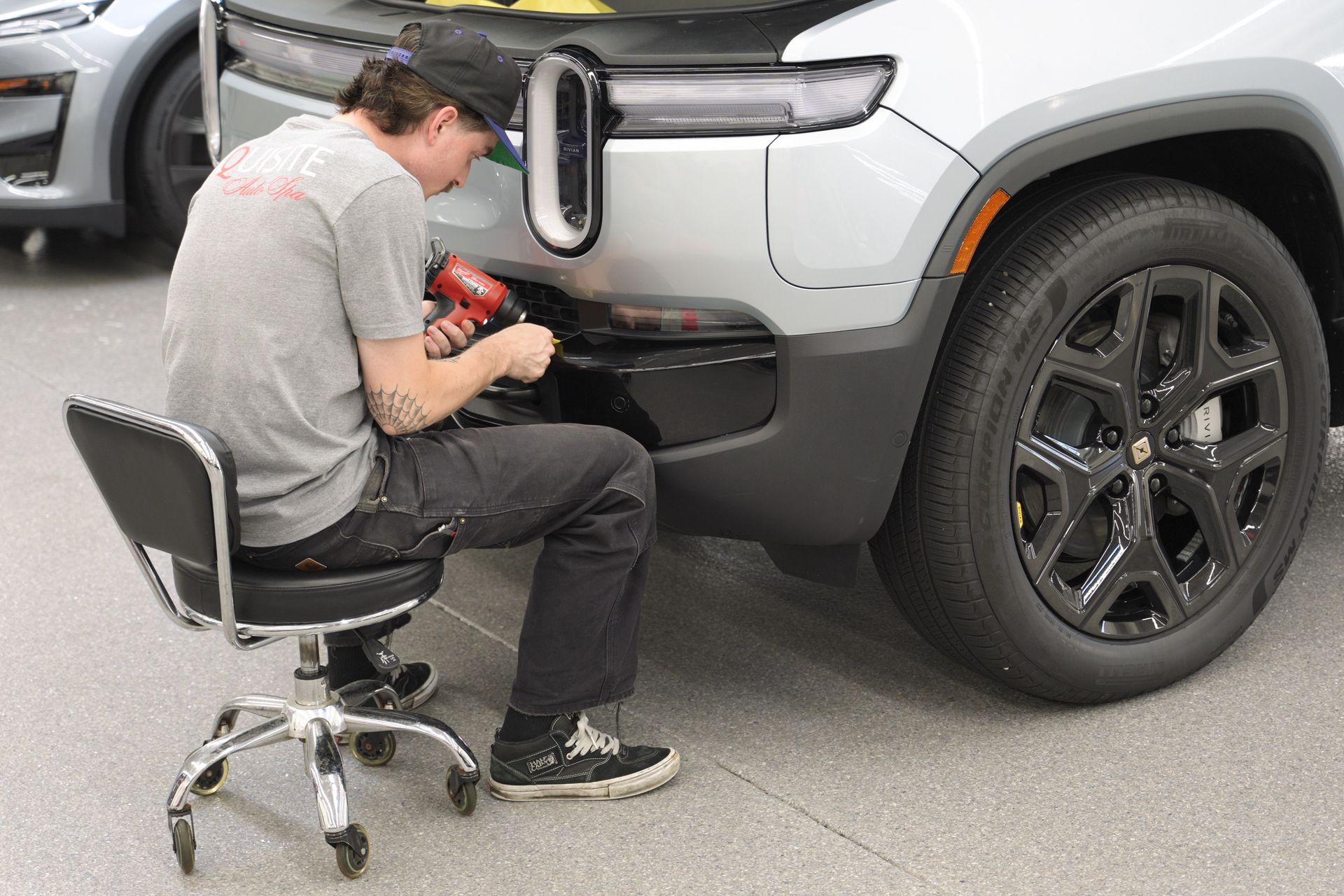
Once the car is prepped, it's time to apply the PPF. This involves carefully measuring and cutting the film to fit each specific area of the vehicle. Precision is key here; any misalignment or air bubbles could compromise the effectiveness of the film. Proper tools and techniques are essential for achieving a seamless application without any imperfections.
Post-Application Care
After the film has been applied, it's important to give it time to set properly. Avoid washing or exposing the car to moisture immediately after application, as this can interfere with the bonding process. Once set, regular maintenance and care will help prolong the life of the PPF and keep it looking its best.
By following these step-by-step guidelines, you can ensure a successful application of PPF on your vehicle, giving you peace of mind knowing that your car's paint is shielded from everyday wear and tear.
These meticulous steps ensure that your investment in PPF pays off in terms of longevity and protection. Now, let's navigate through understanding damage protection and deductibles in car insurance.
Every surface must be completely dry before applying the ceramic coating. We use premium waffle-weave microfiber towels and compressed air to ensure that moisture is removed from every crevice, body line, and surface. Residual moisture can reduce ceramic coating effectiveness by up to 40%, making this step essential for a flawless application.
After washing, we employ a clay bar treatment to remove embedded impurities that regular washing cannot eliminate. This critical step can remove up to 90% of surface contaminants that would otherwise interfere with the ceramic coating bonding process. The clay bar works by lubricating the surface and gently pulling embedded particles that can create microscopic barriers to proper adhesion.
For vehicles with significant contamination—particularly those that haven’t been professionally detailed in months or years—we may employ additional decontamination methods, such as iron removal treatments that dissolve embedded metallic particles from brake dust and road debris.
3. Glare Reduction
5. Enhanced Appearance
Environmental Factors to Consider
When to Consider Reapplication or Professional Inspection
In addition to the seasonal maintenance tips outlined above, there are a few general practices you should follow year-round to keep your Paint Protection Film in top condition.
1. Hand Wash Your Vehicle: Automatic car washes can be too harsh for PPF, potentially causing damage or lifting the film. Instead, opt for hand washing using gentle techniques and products. Hand washing allows you to control the pressure and direction of the wash, reducing the risk of damaging the PPF.
2. Avoid Harsh Chemicals: On your paint protection film, avoid using harsh chemicals, such as strong detergents or solvents. To avoid damaging the film, stick to products specifically designed for PPF use. These products' formulation ensures effective cleaning without removing the protective layers that keep the film functioning.
3. Pay Attention to Parking: When possible, steer clear of areas where your vehicle may come into contact with industrial fallout. If you must park in such areas, consider using a car cover or investing in a regular detailing routine to keep the PPF in top shape.
4. Schedule Regular Inspections: Consider scheduling regular inspections with a professional to ensure that your paint protection film is in excellent condition. They can detect any potential issues early and recommend the best course of action. Regular inspections help in identifying areas that may need reapplication or repair, ensuring that your investment in PPF continues to protect your vehicle as intended.
5. Educate Yourself on PPF-Friendly Products: Not all car care products are suitable for use with PPF. Educate yourself on the best products to use for cleaning, waxing, and maintaining your vehicle to avoid inadvertently causing damage. Many manufacturers offer PPF-specific product lines that provide the best results while preserving the integrity of the film.
Understanding Damage Protection and Deductibles
Congratulations on getting your car fitted with Paint Protection Film (PPF)! It's a smart move that adds an extra layer of defense to your vehicle. This transparent film acts as a shield against road debris, scratches, chips, and other minor abrasions that can occur during everyday driving. However, like all protective measures, it's important to understand the extent of coverage and any out-of-pocket expenses that may arise in the event of damage.
First off, PPF reduces the likelihood of damage to your car's paintwork, but it doesn't make your car invincible. In the unfortunate event that your vehicle sustains damage beyond what the PPF can handle, knowing the terms of coverage and potential deductibles is essential for making informed decisions during the application process.
Understanding how much you're protected and what you might have to pay from your own pocket is crucial for managing expectations and ensuring a worry-free experience.
So, what exactly is a deductible? Well, if you need to file a claim for damages covered by PPF, the deductible is the amount you must pay out of your own pocket before your insurance company covers the remaining cost. This means that knowing this amount upfront can help you budget better for any unforeseen events down the road.
In essence, understanding this component ensures that there won't be any surprises when it comes to filing claims in cases of damage. By being aware of the level of protection offered by PPF and understanding the inception of deductibles in the event of a claim, Elm Grove car owners can confidently navigate their insurance coverage obligations while enjoying the benefits of having reliable paint protection for their vehicles.
With these insights into PPF and deductibles, car owners can optimize their protective measures while being well-prepared for any potential damage scenarios.
Every surface must be completely dry before applying the ceramic coating. We use premium waffle-weave microfiber towels and compressed air to ensure that moisture is removed from every crevice, body line, and surface. Residual moisture can reduce ceramic coating effectiveness by up to 40%, making this step essential for a flawless application.
After washing, we employ a clay bar treatment to remove embedded impurities that regular washing cannot eliminate. This critical step can remove up to 90% of surface contaminants that would otherwise interfere with the ceramic coating bonding process. The clay bar works by lubricating the surface and gently pulling embedded particles that can create microscopic barriers to proper adhesion.
For vehicles with significant contamination—particularly those that haven’t been professionally detailed in months or years—we may employ additional decontamination methods, such as iron removal treatments that dissolve embedded metallic particles from brake dust and road debris.
3. Glare Reduction
5. Enhanced Appearance
Environmental Factors to Consider
When to Consider Reapplication or Professional Inspection
In addition to the seasonal maintenance tips outlined above, there are a few general practices you should follow year-round to keep your Paint Protection Film in top condition.
1. Hand Wash Your Vehicle: Automatic car washes can be too harsh for PPF, potentially causing damage or lifting the film. Instead, opt for hand washing using gentle techniques and products. Hand washing allows you to control the pressure and direction of the wash, reducing the risk of damaging the PPF.
2. Avoid Harsh Chemicals: On your paint protection film, avoid using harsh chemicals, such as strong detergents or solvents. To avoid damaging the film, stick to products specifically designed for PPF use. These products' formulation ensures effective cleaning without removing the protective layers that keep the film functioning.
3. Pay Attention to Parking: When possible, steer clear of areas where your vehicle may come into contact with industrial fallout. If you must park in such areas, consider using a car cover or investing in a regular detailing routine to keep the PPF in top shape.
4. Schedule Regular Inspections: Consider scheduling regular inspections with a professional to ensure that your paint protection film is in excellent condition. They can detect any potential issues early and recommend the best course of action. Regular inspections help in identifying areas that may need reapplication or repair, ensuring that your investment in PPF continues to protect your vehicle as intended.
5. Educate Yourself on PPF-Friendly Products: Not all car care products are suitable for use with PPF. Educate yourself on the best products to use for cleaning, waxing, and maintaining your vehicle to avoid inadvertently causing damage. Many manufacturers offer PPF-specific product lines that provide the best results while preserving the integrity of the film.
Elevate your ride's protection and style with Exquisite Auto Spa.
At Exquisite Auto Spa, we understand that your vehicle is more than just a mode of transportation; it's a reflection of your personality, style, and investment. That's why we're proud to offer
top-tier Paint Protection Film (PPF) application services to safeguard your vehicle's pristine finish and enhance its aesthetic appeal. Whether you're protecting your luxury sedan, sports car, or SUV, you can trust us to deliver results that exceed your expectations and elevate your vehicle's appearance to new heights. Book now!
Recent Posts