How to Maintain the Car’s Ceramic Coating
Ceramic coating is a liquid polymer applied to a car's exterior. Unlike traditional waxes or sealants, ceramic coatings chemically bond with the car’s factory paint, creating a durable layer of protection. This coating shields the vehicle from environmental hazards like UV rays, bird droppings, acid rain, and road salt. It also provides a glossy, mirror-like finish, making your high-performance sports car look as good as new for longer.
Investing in a ceramic coating for your car is a wise decision to enhance its appearance and protect the paintwork from various environmental elements. But knowing how to take care of the ceramic coating on your car is essential to keeping it looking brand new. We'll go over important advice and recommended techniques in this guide to help you maintain the highest quality ceramic coating on your vehicle.
Every surface must be completely dry before applying the ceramic coating. We use premium waffle-weave microfiber towels and compressed air to ensure that moisture is removed from every crevice, body line, and surface. Residual moisture can reduce ceramic coating effectiveness by up to 40%, making this step essential for a flawless application.
After washing, we employ a clay bar treatment to remove embedded impurities that regular washing cannot eliminate. This critical step can remove up to 90% of surface contaminants that would otherwise interfere with the ceramic coating bonding process. The clay bar works by lubricating the surface and gently pulling embedded particles that can create microscopic barriers to proper adhesion.
For vehicles with significant contamination—particularly those that haven’t been professionally detailed in months or years—we may employ additional decontamination methods, such as iron removal treatments that dissolve embedded metallic particles from brake dust and road debris.
3. Glare Reduction
5. Enhanced Appearance
Environmental Factors to Consider
When to Consider Reapplication or Professional Inspection

Resistance to Environmental Pollutants
Making sure your car is in top shape is essential before you apply a ceramic coating to it. This pre-coating maintenance plays a vital role in the longevity and effectiveness of the ceramic coating. Prior to applying the coating, remember to do the following crucial steps:
- 1. Completely Clean and Decontaminate: Start by giving your car a thorough wash with a microfiber wash mitt and a premium automotive shampoo, being sure to get rid of any dirt, grime, or contaminants from the exterior. Use a clay bar or a detailed clay to further remove embedded contaminants and provide a smooth surface for the ceramic coating to adhere to.
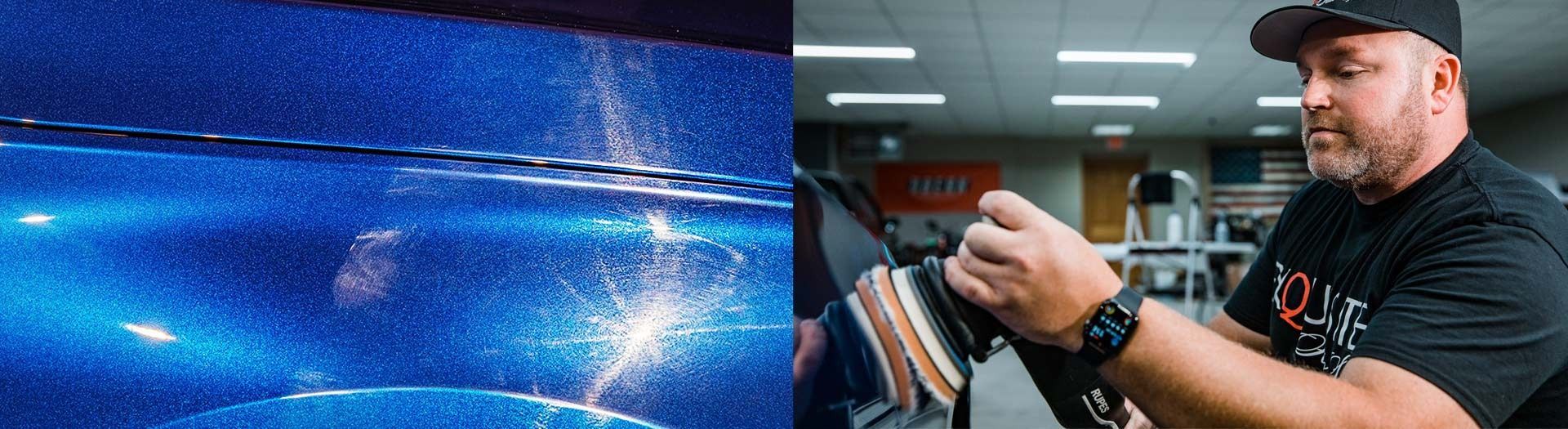
- 2. Paint Correction: Prior to applying the ceramic coating, paint correction should be done if your car has noticeable swirl marks or other flaws in the paint. This step involves using polishing compounds and specialized tools to restore the clarity and smoothness of the painted surface. A flawless painted finish enhances the overall appearance of your vehicle when protected by a ceramic coating.
- 3. Surface Preparation: Once your car is clean and corrected, it is essential to prepare the surface properly for optimum bonding with the ceramic coating. This step may involve using a panel wipe or a dedicated prep solution to remove any remaining oils, waxes, or residue from previous products. This ensures that the ceramic coating can adhere directly to the paintwork for maximum longevity and performance.
The Pre-Ceramic Coating Maintenance
Making sure your car is in top shape is essential before you apply a ceramic coating to it. This pre-coating maintenance plays a vital role in the longevity and effectiveness of the ceramic coating. Prior to applying the coating, remember to do the following crucial steps:
1. Completely Clean and Decontaminate: Start by giving your car a thorough wash with a microfiber wash mitt and a premium automotive shampoo, being sure to get rid of any dirt, grime, or contaminants from the exterior. Use a clay bar or a detailed clay to further remove embedded contaminants and provide a smooth surface for the ceramic coating to adhere to.
2. Paint Correction: Prior to applying the ceramic coating, paint correction should be done if your car has noticeable swirl marks or other flaws in the paint. This step involves using polishing compounds and specialized tools to restore the clarity and smoothness of the painted surface. A flawless painted finish enhances the overall appearance of your vehicle when protected by a ceramic coating.
3. Surface Preparation: Once your car is clean and corrected, it is essential to prepare the surface properly for optimum bonding with the ceramic coating. This step may involve using a panel wipe or a dedicated prep solution to remove any remaining oils, waxes, or residue from previous products. This ensures that the ceramic coating can adhere directly to the paintwork for maximum longevity and performance.
Proper washing and cleaning
Once your car is coated with ceramic protection, it is essential to adopt appropriate washing and cleaning techniques to preserve the integrity of the coating. Here are some tips to follow:
1. Use phosphate-free car wash Products: When selecting a car wash shampoo, opt for phosphate-free formulas. Phosphates can strip away the protective properties of ceramic coatings over time. Look for pH-neutral or specifically formulated ceramic-safe car wash products that help maintain the coating's hydrophobic and self-cleaning abilities.
2. Wash in a Two-Bucket Method: To minimize the risk of introducing swirl marks, use a two-bucket method while washing your car. Fill one bucket with soapy water and another with plain water for rinsing. After each panel, rinse your wash mitt in the plain water bucket to remove dirt particles before dipping them back into the soapy water.
3. Use Soft Microfiber Towels: Soft microfiber towels work better than regular bath towels or abrasive materials for drying your car. Microfiber towels are gentle on the ceramic coating and help absorb water efficiently without scratching the surface. Pat dry or gently wipe the surface, being mindful of not applying excessive pressure. Think of using soft microfiber towels as wrapping your car in a cozy and absorbent towel after a refreshing shower. The gentle touch ensures you don't harm the delicate ceramic coating.
Every surface must be completely dry before applying the ceramic coating. We use premium waffle-weave microfiber towels and compressed air to ensure that moisture is removed from every crevice, body line, and surface. Residual moisture can reduce ceramic coating effectiveness by up to 40%, making this step essential for a flawless application.
After washing, we employ a clay bar treatment to remove embedded impurities that regular washing cannot eliminate. This critical step can remove up to 90% of surface contaminants that would otherwise interfere with the ceramic coating bonding process. The clay bar works by lubricating the surface and gently pulling embedded particles that can create microscopic barriers to proper adhesion.
For vehicles with significant contamination—particularly those that haven’t been professionally detailed in months or years—we may employ additional decontamination methods, such as iron removal treatments that dissolve embedded metallic particles from brake dust and road debris.
3. Glare Reduction
5. Enhanced Appearance
Environmental Factors to Consider
When to Consider Reapplication or Professional Inspection
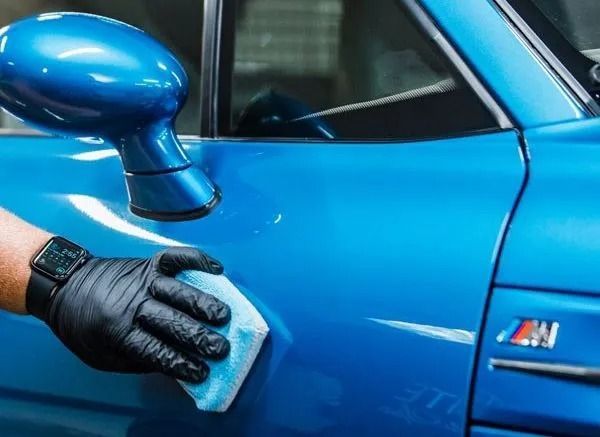
The two-bucket method is a tried-and-tested way to prevent scratching the paint protection film. One bucket is filled with soapy water for washing, while the other contains clean water for rinsing the dirt off your wash mitt. This method ensures that the dirt you remove from your vehicle doesn't end up back on your mitt, potentially causing swirls or scratches on the film.
Rinsing Process
Rinse the PPF thoroughly after applying the cleaning solution to remove all soap residue. Take your time with this step, as any leftover residue can impact the appearance and potentially compromise the film's protection.
Drying Process
Essential Tips for Ceramic Coating Care
Now that you have this durable and protective layer, it's crucial to understand the essential tips for caring for and maintaining it to ensure its longevity and effectiveness. These tips will help you keep your ceramic coating looking pristine and preserve its protective qualities over time.
- Regular washing is key. While ceramic coatings provide excellent resistance to dirt and contaminants, regular maintenance is still necessary to remove any surface debris that might accumulate. Use a pH-neutral car wash soap and a soft microfiber wash mitt or sponge to gently clean your vehicle. Avoid abrasive materials or strong chemicals that could potentially damage the coating.
- Hand drying with a microfiber towel is highly recommended after each wash. This prevents water spots from forming on the coated surface as it dries naturally.
- Avoid using automated car washes that employ aggressive brushes or harsh chemicals. These can cause abrasions on the coating and compromise its integrity. Opt instead for hand-washing or touchless car washes that use high-pressure water jets.
Dealing with stubborn contaminants? No worries! A gentle solution is to tackle them using a clay bar or iron fallout remover specifically designed for automotive surfaces. These products can effectively remove embedded particles without damaging the ceramic coating.
Regular waxing and sealant use
Waxing and using a sealant on top of your ceramic coating is an excellent way to enhance its durability and prolong its lifespan. While ceramic coatings already provide exceptional protection, adding an extra layer of wax or sealant can offer additional benefits.
When choosing a wax or sealant product, opt for one that is specifically formulated for use on ceramic coatings. These products are designed to work synergistically with the existing coating chemistry, maximizing their compatibility and effectiveness.
Regularly applying a wax or sealant enhances the hydrophobicity of your ceramic coating. This means that water will bead up and roll off the surface more easily, making it simpler to maintain a clean and spot-free appearance.
Remember to follow the manufacturer's instructions for application frequency and technique. Applying too much product or not removing excess residue properly can lead to streaking or premature degradation.
Every surface must be completely dry before applying the ceramic coating. We use premium waffle-weave microfiber towels and compressed air to ensure that moisture is removed from every crevice, body line, and surface. Residual moisture can reduce ceramic coating effectiveness by up to 40%, making this step essential for a flawless application.
After washing, we employ a clay bar treatment to remove embedded impurities that regular washing cannot eliminate. This critical step can remove up to 90% of surface contaminants that would otherwise interfere with the ceramic coating bonding process. The clay bar works by lubricating the surface and gently pulling embedded particles that can create microscopic barriers to proper adhesion.
For vehicles with significant contamination—particularly those that haven’t been professionally detailed in months or years—we may employ additional decontamination methods, such as iron removal treatments that dissolve embedded metallic particles from brake dust and road debris.
3. Glare Reduction
5. Enhanced Appearance
Environmental Factors to Consider
When to Consider Reapplication or Professional Inspection
The two-bucket method is a tried-and-tested way to prevent scratching the paint protection film. One bucket is filled with soapy water for washing, while the other contains clean water for rinsing the dirt off your wash mitt. This method ensures that the dirt you remove from your vehicle doesn't end up back on your mitt, potentially causing swirls or scratches on the film.
Rinsing Process
Rinse the PPF thoroughly after applying the cleaning solution to remove all soap residue. Take your time with this step, as any leftover residue can impact the appearance and potentially compromise the film's protection.
Drying Process
Increasing Ceramic Coating's Durability
Ceramic coatings have grown in popularity among car enthusiasts because they can enhance a vehicle's paintwork and provide long-lasting protection. However, like any other protective coating, maintaining its longevity requires proper care and attention. Here are some essential tips to enhance the longevity of your car's ceramic coating.
It's critical to understand that ceramic coatings require frequent maintenance to be effective over time. One crucial aspect is regular washing. While it may seem counterintuitive to wash a car frequently, especially considering the water scarcity in certain areas, keeping your vehicle clean is vital for preserving the ceramic coating.
Washing removes dirt, dust particles, bird droppings, and other contaminants that can deteriorate the coating's integrity. However, traditional methods, like automatic car washes with abrasive brushes, can damage the coating. Therefore, it's recommended to opt for handwashing using gentle techniques.
To further protect the ceramic coating during washing, it's advisable to use pH-neutral car shampoos. These shampoos are specifically formulated to be gentle on vehicle surfaces while effectively removing dirt and grime.
The protective layer of the coating may be removed; therefore, stay away from using strong detergents or household cleaning supplies. It's also important to pay attention to your washing tools. Microfiber wash mitts or soft bristle brushes are ideal for gently cleansing your car without causing damage. These tools have fine fibers that trap dirt particles instead of dragging them across the paint surface.
Finally, when drying your vehicle after washing, use microfiber towels to minimize the risk of introducing minor damage. Patting the surface rather than rubbing will also help prevent any potential damage.
By adopting these practices and being diligent with your car's regular washing routine, you can significantly enhance the longevity of your ceramic coating and keep your vehicle looking its best for years to come.
Every surface must be completely dry before applying the ceramic coating. We use premium waffle-weave microfiber towels and compressed air to ensure that moisture is removed from every crevice, body line, and surface. Residual moisture can reduce ceramic coating effectiveness by up to 40%, making this step essential for a flawless application.
After washing, we employ a clay bar treatment to remove embedded impurities that regular washing cannot eliminate. This critical step can remove up to 90% of surface contaminants that would otherwise interfere with the ceramic coating bonding process. The clay bar works by lubricating the surface and gently pulling embedded particles that can create microscopic barriers to proper adhesion.
For vehicles with significant contamination—particularly those that haven’t been professionally detailed in months or years—we may employ additional decontamination methods, such as iron removal treatments that dissolve embedded metallic particles from brake dust and road debris.
3. Glare Reduction
5. Enhanced Appearance
Environmental Factors to Consider
When to Consider Reapplication or Professional Inspection
In addition to the seasonal maintenance tips outlined above, there are a few general practices you should follow year-round to keep your Paint Protection Film in top condition.
1. Hand Wash Your Vehicle: Automatic car washes can be too harsh for PPF, potentially causing damage or lifting the film. Instead, opt for hand washing using gentle techniques and products. Hand washing allows you to control the pressure and direction of the wash, reducing the risk of damaging the PPF.
2. Avoid Harsh Chemicals: On your paint protection film, avoid using harsh chemicals, such as strong detergents or solvents. To avoid damaging the film, stick to products specifically designed for PPF use. These products' formulation ensures effective cleaning without removing the protective layers that keep the film functioning.
3. Pay Attention to Parking: When possible, steer clear of areas where your vehicle may come into contact with industrial fallout. If you must park in such areas, consider using a car cover or investing in a regular detailing routine to keep the PPF in top shape.
4. Schedule Regular Inspections: Consider scheduling regular inspections with a professional to ensure that your paint protection film is in excellent condition. They can detect any potential issues early and recommend the best course of action. Regular inspections help in identifying areas that may need reapplication or repair, ensuring that your investment in PPF continues to protect your vehicle as intended.
5. Educate Yourself on PPF-Friendly Products: Not all car care products are suitable for use with PPF. Educate yourself on the best products to use for cleaning, waxing, and maintaining your vehicle to avoid inadvertently causing damage. Many manufacturers offer PPF-specific product lines that provide the best results while preserving the integrity of the film.
The durability of a ceramic coating directly impacts how well it protects your car's paint in the long run. Look for reputable brands known for their long-lasting and robust ceramic coatings. Tested and proven, these brands withstand the elements and offer dependable protection. Choosing a durable ceramic coating means better resistance to environmental contaminants such as bird droppings, tree sap, and road grime. You can be confident that a durable coating will shield your car's paint from everyday wear and tear, keeping it looking pristine for longer periods of time.
Evaluating Ceramic Coating Durability
When it comes to maintaining the longevity and protective properties of your car's ceramic coating, evaluating its durability becomes essential. Ceramic coatings are made to offer durable defense against a range of environmental elements, including UV radiation, oxidation, and chemical pollutants. But it's crucial to realize that not all ceramic coatings are made equal and that a number of variables might affect how long they last.
The coating's quality is an important factor to take into account when assessing a ceramic coating's durability. High-quality ceramic coatings are typically made with advanced formulations and contain a high concentration of SiO2 or TiO2 particles. Strong adhesion between the nanoparticles and the vehicle's surface results in superior resistance to corrosion and abrasion. When choosing a ceramic coating for your car, opt for reputable brands that have a proven track record of manufacturing durable products.
Another factor to consider is the application process. It requires skill and expertise to properly apply a ceramic coating. It is necessary to clean and disinfect the surface before applying the coating. Applicators need to ensure an even and uniform application, paying attention to detail, in order to achieve optimal results. This meticulous application process plays a significant role in determining the durability of the coating.
Additionally, it's important to consider the maintenance routine required for a ceramic coating. While ceramic coatings offer great protection, regular maintenance is necessary to ensure their longevity. Following recommended washing techniques, using pH-neutral car wash soaps, avoiding abrasive materials during cleaning, and periodically applying a spray sealant or booster can help prolong the lifespan of the coating.
Additionally, it's crucial to keep in mind that external factors like the weather can affect a ceramic coating's lifespan. Extreme temperatures, harsh weather elements like acid rain or saltwater exposure, and frequent sun exposure can all contribute to wear and tear on the coating. As a result, it's critical to understand these elements and take the proper precautions to safeguard your car.
Lastly, it's important to manage expectations when it comes to ceramic coating durability. While ceramic coatings offer excellent protection and can last for several years with proper care, they are not invincible. Expecting a ceramic coating to completely eliminate the need for regular maintenance and prevent any damage is unrealistic. It's always wise to continue practicing good car care habits, such as parking in shaded areas, using paint protection films on high-impact areas, and avoiding harsh chemicals or abrasive cleaning techniques.
In conclusion, evaluating the durability of a ceramic coating involves considering the quality of the coating, the skill of the applicator, the maintenance routine, and external factors that can impact its lifespan. You can make sure that your vehicle is protected and long-lasting by considering these elements and taking adequate care of your ceramic-coated vehicle.
Every surface must be completely dry before applying the ceramic coating. We use premium waffle-weave microfiber towels and compressed air to ensure that moisture is removed from every crevice, body line, and surface. Residual moisture can reduce ceramic coating effectiveness by up to 40%, making this step essential for a flawless application.
After washing, we employ a clay bar treatment to remove embedded impurities that regular washing cannot eliminate. This critical step can remove up to 90% of surface contaminants that would otherwise interfere with the ceramic coating bonding process. The clay bar works by lubricating the surface and gently pulling embedded particles that can create microscopic barriers to proper adhesion.
For vehicles with significant contamination—particularly those that haven’t been professionally detailed in months or years—we may employ additional decontamination methods, such as iron removal treatments that dissolve embedded metallic particles from brake dust and road debris.
3. Glare Reduction
5. Enhanced Appearance
Environmental Factors to Consider
When to Consider Reapplication or Professional Inspection
In addition to the seasonal maintenance tips outlined above, there are a few general practices you should follow year-round to keep your Paint Protection Film in top condition.
1. Hand Wash Your Vehicle: Automatic car washes can be too harsh for PPF, potentially causing damage or lifting the film. Instead, opt for hand washing using gentle techniques and products. Hand washing allows you to control the pressure and direction of the wash, reducing the risk of damaging the PPF.
2. Avoid Harsh Chemicals: On your paint protection film, avoid using harsh chemicals, such as strong detergents or solvents. To avoid damaging the film, stick to products specifically designed for PPF use. These products' formulation ensures effective cleaning without removing the protective layers that keep the film functioning.
3. Pay Attention to Parking: When possible, steer clear of areas where your vehicle may come into contact with industrial fallout. If you must park in such areas, consider using a car cover or investing in a regular detailing routine to keep the PPF in top shape.
4. Schedule Regular Inspections: Consider scheduling regular inspections with a professional to ensure that your paint protection film is in excellent condition. They can detect any potential issues early and recommend the best course of action. Regular inspections help in identifying areas that may need reapplication or repair, ensuring that your investment in PPF continues to protect your vehicle as intended.
5. Educate Yourself on PPF-Friendly Products: Not all car care products are suitable for use with PPF. Educate yourself on the best products to use for cleaning, waxing, and maintaining your vehicle to avoid inadvertently causing damage. Many manufacturers offer PPF-specific product lines that provide the best results while preserving the integrity of the film.
Elevate Your Drive with Exquisite Auto Spa's Premier Ceramic Coating Services
In the realm of automotive excellence, your vehicle deserves nothing less than the best. At Exquisite Auto Spa, we redefine automotive care through our commitment to perfection, and our
Ceramic Coating Services utilize cutting-edge technology, incorporating nano-ceramic formulations that create an invisible shield on your vehicle's surface. This not only enhances gloss but also provides robust protection against environmental contaminants. Choose Exquisite Auto Spa for ceramic coating services that transcend the ordinary, providing your vehicle with the protection and brilliance it deserves.