How Long Ceramic Coating Lasts on Daily-Driven Cars: Lifespan, Protection, and Performance
Ceramic coatings promise to keep your daily-driven car looking shiny and protected, but how long do they really last with everyday use? Many assume these coatings act like a permanent shield, yet their true lifespan depends on product quality, application process, and ongoing maintenance. This article explains what vehicle owners in Elm Grove, WI, and Brookfield, WI, can realistically expect. Ceramic coatings provide durable protection, but they are not invincible.
On average, ceramic coatings last between one and eight years. Entry-level coatings typically provide protection for about a year, while professional-grade coatings can last several years when applied correctly and maintained properly.
Understanding Ceramic Coating Durability
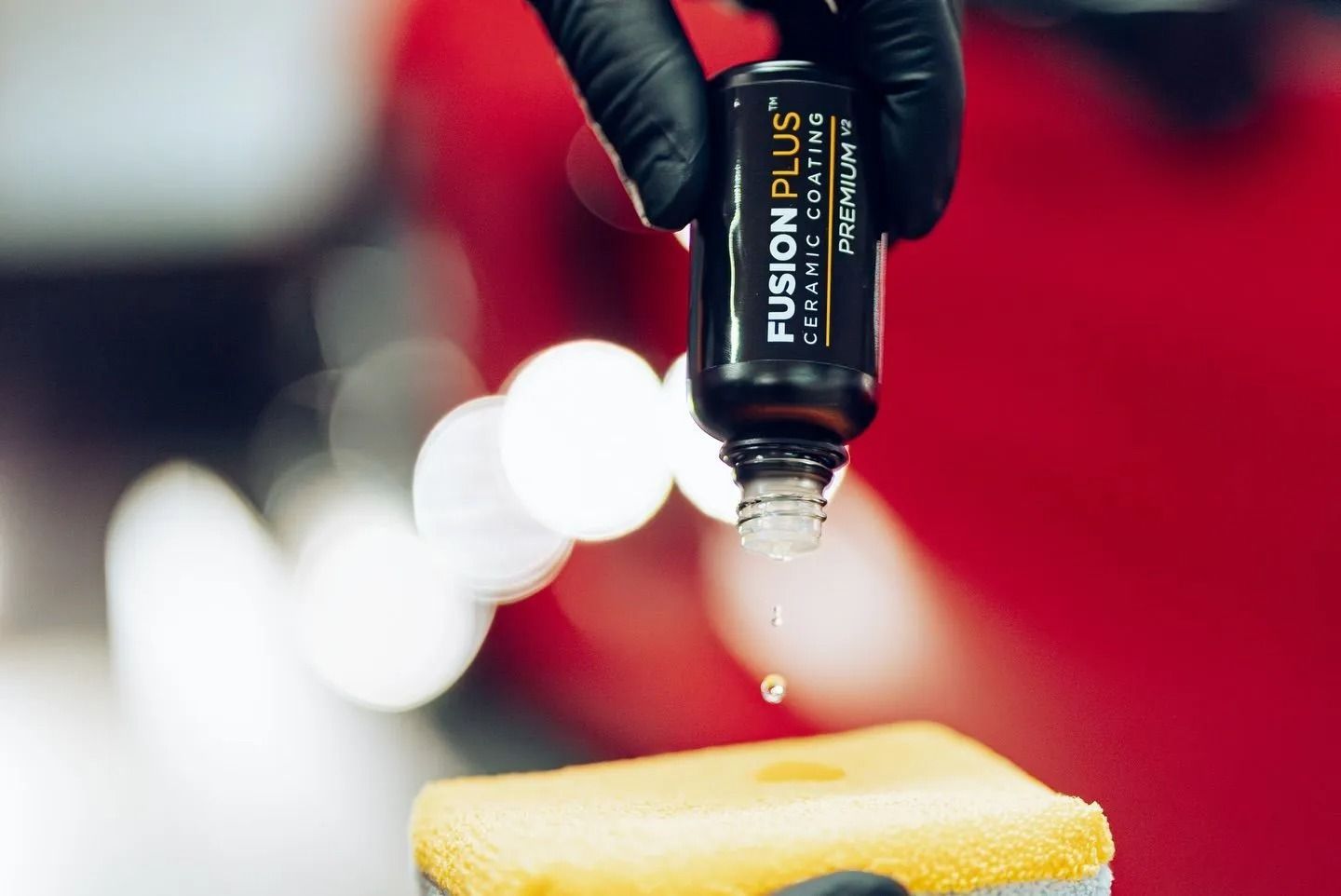
Ceramic coatings bond chemically to your car's paint, primarily through silicon dioxide (SiO₂). Higher SiO₂ concentrations create thicker, stronger protective films that resist scratches, chemicals, and UV damage better than consumer-grade or spray-on alternatives.
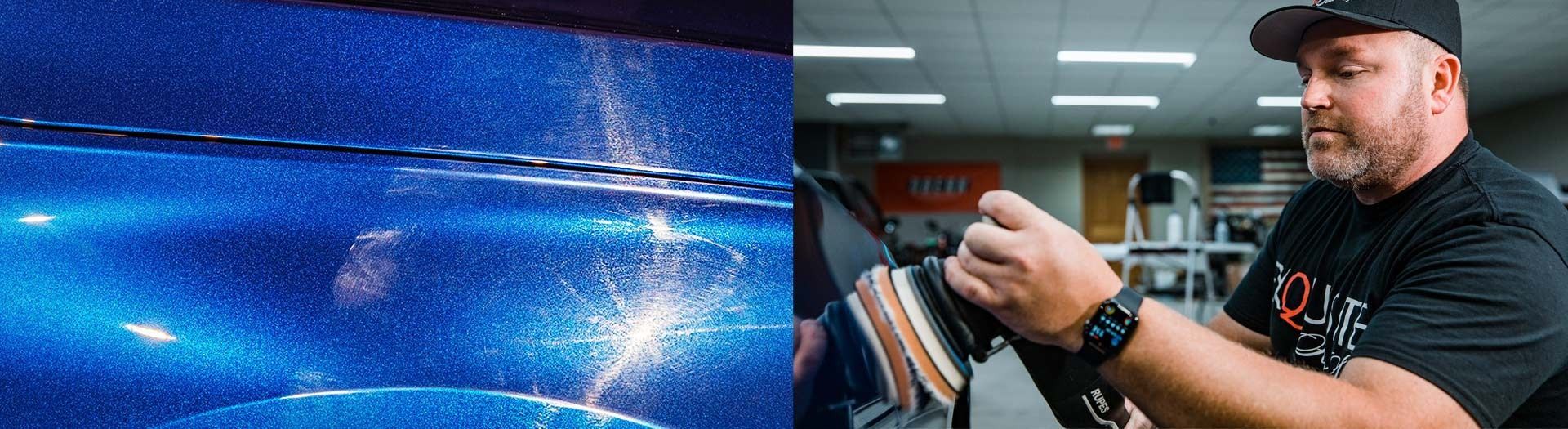
Durability depends not only on formula but also on surface preparation and maintenance. At Exquisite Auto Spa, paint surfaces are cleaned, decontaminated, polished, and cured under controlled conditions to ensure optimal bonding. Dust or imperfections trapped beneath the coating reduce performance and shorten its lifespan. Environmental factors such as rain, road salt, bird droppings, and brake dust gradually wear down the protective layer.
A professional coating is resilient for years. Initial curing requires a moisture-free period, with full chemical strengthening occurring over several weeks. Regular maintenance sprays help reinforce the coating and preserve water repellency and gloss.
Real-World Performance
High-quality ceramic coatings can maintain protective qualities for several years on daily-driven vehicles. Customers at Exquisite Auto Spa often enjoy durable protection without compromising shine or cleanliness. However, heavy highway use, extreme weather, or irregular maintenance can shorten the coating's effective lifespan.
Treat ceramic coatings as an investment. Regular washing with pH-neutral soaps, avoiding automated brush washes, and using maintenance sprays designed for coated surfaces help maintain performance. Skipping these steps accelerates wear and reduces longevity.
Warranty and Guarantees
Professional ceramic coatings often include limited warranties, which reflect confidence in both product quality and proper application. Generally, higher-quality coatings applied by trained professionals and maintained consistently last longer than DIY options.
Key points to consider for longevity:
- Professional-grade coatings with high SiO₂ concentrations last 3 to 8 years.
- Consumer DIY coatings with moderate SiO₂ concentrations last 1 to 3 years.
- Spray-on sealants with low SiO₂ concentrations last less than a year and require frequent reapplication.
For daily-driven vehicles, professional application combined with consistent maintenance provides the best long-term results.
Factors Affecting Longevity
Ceramic coating lifespan is influenced by environmental exposure, driving habits, and maintenance routines.
Environmental Conditions
- Sunlight, salt, and pollution can reduce coating durability.
- UV rays gradually break down coating polymers, dulling gloss and weakening protection.
- Salt and pollutants act as abrasives and chemical stressors.
- Parking in shade or a garage and washing regularly can reduce environmental wear.
Driving Habits and Mileage
- City driving at moderate speeds causes less wear than frequent highway travel or gravel roads.
- High-speed driving increases friction from airborne particles.
- Gravel or unpaved roads can chip and abrade the coating.
- Heavily driven vehicles experience faster coating wear than lightly driven ones under similar conditions.
Maintenance and Care
- pH-neutral shampoos prevent stripping SiO₂ nano-layers.
- Avoid harsh chemicals and automated brush car washes, which can create micro-abrasions.
- Maintenance sprays every few months refresh hydrophobic properties and gloss.
- Microfiber towels or soft air blowers are recommended for drying to minimize swirl marks.
Daily Driving and Environmental Impact
Daily-driven cars face a mix of stressors, including highway miles, errands, and outdoor exposure. UV rays weaken coatings, while contaminants, acid rain, and bird droppings abrade the surface. Automated car washes with harsh brushes can degrade coatings faster than natural exposure. Gentle hand washes using pH-neutral soaps preserve gloss and water repellency. Periodic professional inspections detect early signs of wear before serious damage occurs.
Common environmental factors that affect coatings:
- UV Radiation: Constant sun exposure reduces water beading and gloss.
- Chemical Fallout: Urban pollutants accelerate chemical weathering.
- Physical Abrasion: Dust and airborne particles gradually erode protective layers.
- Contaminants: Bird droppings, tree sap, and bug residue can damage coatings if not cleaned promptly.
- Ceramic coatings are durable but not miracle armor. They perform best with consistent care.
The Importance of Quality Application
Proper surface preparation is essential for coating longevity. Professional detailers clean, decontaminate, and polish the paint to remove dirt, oils, and oxidation. Skipping these steps prevents proper bonding and causes early failure. Professional applications use higher concentrations of SiO₂ and additives to enhance hardness and hydrophobic effects. Proper preparation and professional-grade formulas can extend coating life from one year with DIY kits to several years with expert application.
To maximize ceramic coating performance:
- Complete thorough paint correction before application.
- Choose a detailer who offers a warranty.
- Follow post-application care guidelines closely.
Proper application is the foundation, and consistent maintenance sustains the coating.
Maintenance for Peak Performance
Ceramic coatings require ongoing attention to maintain their signature gloss and water-repellent qualities.
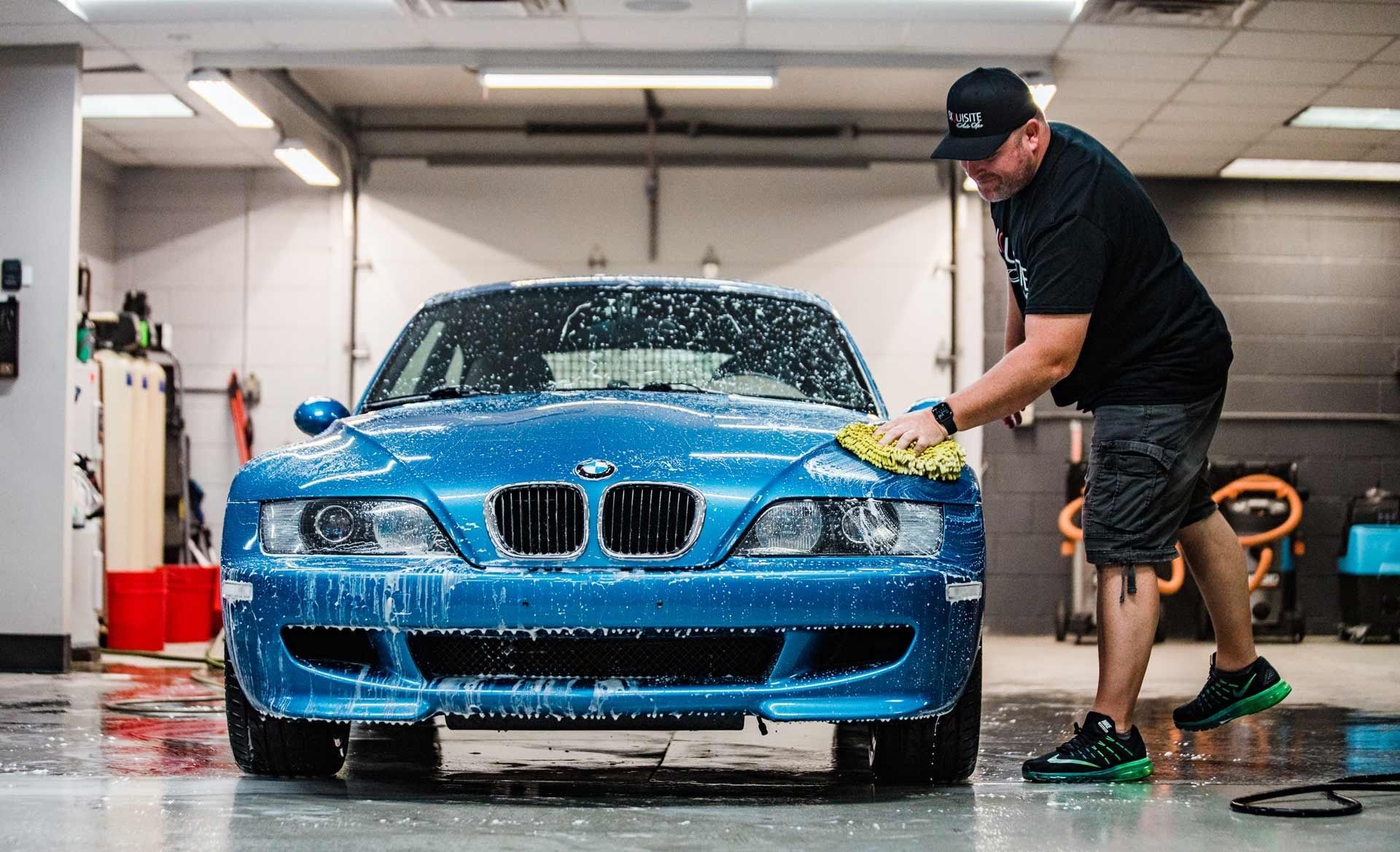
Regular Washing: Wash every one to two weeks using pH-neutral shampoos. Use the two-bucket method with high-quality microfiber or lamb's wool mitts. Dry with microfiber towels or a soft air blower to avoid scratches.
Reapply Top Coats: Booster sprays every three to six months help maintain water repellency and address minor surface wear.
Inspection and Repairs: Routinely check for chips, scratches, or reduced water beading. Promptly repair minor damage to prevent contamination or moisture from reaching the underlying paint.
Ceramic Coatings vs Traditional Wax
Wax adds shine but wears off quickly, leaving paint exposed. Ceramic coatings bond chemically with the clear coat to create a stronger shield against UV rays, road salts, bird droppings, and acid rain. They improve water repellency, reduce maintenance, and preserve vehicle appearance. While professional ceramic coating may have a higher upfront cost, it provides long-term protection and reduces recurring upkeep. Hybrid wax-ceramic products offer moderate protection for DIY users who want easier home maintenance.
Is It Worth the Investment for Daily Drivers?
Professional ceramic coatings protect paint with minimal upkeep for years. They reduce recurring waxing, guard against environmental hazards, and make cleaning easier. Proper paint correction before application ensures maximum performance. The investment pays off through long-term protection, reduced maintenance, and preserved resale value.
Benefits for Daily Drivers:
- Long-lasting protection: Up to five or more years with proper care.
- Reduced upkeep: Simple hand washes instead of constant waxing.
- Preserved resale value: A well-maintained exterior reflects positively when selling.
- Enhanced appearance: Gloss and water-repellent effects last longer than wax.
Visit Exquisite Auto Spa in Elm Grove, WI, to explore ceramic coating options and schedule your consultation or call us at (414) 477-2134.
Frequently Asked Questions
Can environmental conditions shorten the life of a ceramic coating?
Yes. UV rays, acid rain, and road salts gradually degrade coatings. Maintenance and touch-ups are especially important in areas with strong sun or winter road treatments.
What factors affect longevity?
Application quality, environmental exposure, maintenance habits, and product formulation. Well-applied coatings last several years, while neglect or harsh conditions shorten effectiveness.
How does maintenance affect durability?
Gentle, regular washing preserves the coating. Using pH-neutral soaps, proper washing techniques, and booster sprays extends its effective life.
Are there differences between brands?
Yes. Lower-quality coatings with lower SiO₂ concentrations last shorter periods, while professional-grade coatings provide extended protection.
When should a ceramic coating be reapplied?
Reapplication is recommended every two to three years or when water no longer beads effectively. Professional inspection is the best way to assess coating condition.
Recent Posts